Old-Fashioned Slow Cooker Apple Butter
Introduction
Apple butter is one of those timeless recipes that transforms simple apples into something deeply flavorful, silky, sweet, and wonderfully aromatic. Despite its name, traditional apple butter contains no actual butter. The word “butter” describes its thick, smooth, spreadable texture.
This slow cooker version is especially easy because the apples slowly cook for many hours, allowing their natural sweetness to concentrate while cinnamon and vanilla add warmth and depth. The result is a dark, rich apple spread that is delicious on toast, biscuits, pancakes, oatmeal, waffles, muffins, or even served alongside roasted meats.
The beauty of homemade apple butter is that it requires very little hands-on work. Once everything is placed in the slow cooker, time does most of the work.
Ingredients
Main Ingredients
- 6 1/2 pounds apples, peeled, cored, and sliced
- 1/2 cup granulated sugar
- 1/2 cup packed brown sugar
- 1 1/2 tablespoons ground cinnamon
- 1/4 teaspoon salt
- 1 tablespoon vanilla extract
Optional Additions
For a slightly more complex flavor, you can also add:
- 1/4 teaspoon ground nutmeg
- 1/4 teaspoon ground cloves
- 1/4 teaspoon ground allspice
- 1 tablespoon lemon juice
These additions are optional, but they can give the apple butter an especially warm, autumn-inspired flavor.
Choosing the Apples
The type of apple you use can change the final flavor and texture. A mixture of sweet and slightly tart apples often produces the best balance.
Good choices include Granny Smith, Honeycrisp, Fuji, Gala, Golden Delicious, Jonathan, Braeburn, or McIntosh.
For a more naturally sweet apple butter, use sweeter apples. For a deeper, more balanced flavor, combine sweet apples with tart varieties.
Avoid using only very firm apples if you want the smoothest possible texture, because some varieties take longer to break down.
Preparation
Begin by washing the apples thoroughly. Peel them, remove the cores and seeds, and slice them into reasonably even pieces.
The slices do not have to be perfect because they will cook for many hours and eventually break down into a soft mixture.
Place the prepared apples directly into a large slow cooker.
Add the granulated sugar, brown sugar, cinnamon, and salt. Add the vanilla extract and any optional spices you are using.
Stir everything together until the apples are evenly coated.
Slow Cooker Method
Cover the slow cooker and cook the apples on low for approximately 10 hours.
During the cooking process, stir the mixture every couple of hours. This helps distribute the spices and sugars and allows you to monitor the consistency.
As the apples cook, they will become very soft. Their natural juices will initially make the mixture appear quite loose, but continued cooking will gradually evaporate the excess moisture.
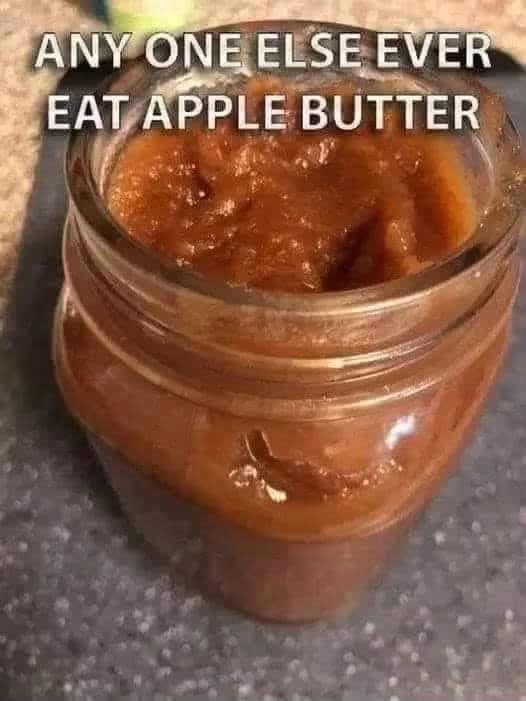
The apple butter should eventually become thick, dark brown, and richly fragrant.
If your slow cooker retains a great deal of moisture, you can remove the lid during the final portion of cooking. This allows additional moisture to evaporate and helps the apple butter become thicker.
Forming the Apple Butter
Once the apples have cooked down completely, examine the texture.
For a rustic apple butter, you can simply stir the cooked apples vigorously until they become soft and spreadable.
For an exceptionally smooth apple butter, transfer the mixture carefully to a blender and puree until smooth.
You can also use an immersion blender directly in the slow cooker. Blend carefully because the mixture will be extremely hot.
Continue blending until the apple butter reaches your preferred consistency.
If it seems too thin, return it to the slow cooker and continue cooking until more moisture evaporates.
If it becomes thicker than you prefer, a small amount of unsweetened apple juice or water can be stirred in.
Flavor Development
The long cooking process is what gives apple butter its characteristic deep flavor.
Fresh apples contain water, natural sugars, acids, and aromatic compounds. As they slowly cook, much of the water evaporates while the sugars become increasingly concentrated.
The apples also undergo browning reactions that contribute to their darker color and richer flavor.
Cinnamon provides warmth, brown sugar contributes caramel-like notes, and vanilla rounds everything out with a soft, fragrant finish.
The result is much more concentrated than ordinary applesauce.
History of Apple Butter
Apple butter has a long history in European and American cooking. Before modern refrigeration and commercially produced preserves became common, families needed ways to preserve large quantities of fruit after harvest.
Apples were especially well suited to this purpose.
In traditional preparation, apples were cooked slowly in large kettles for many hours. Families would continue stirring the fruit until it became thick and concentrated enough to store for later use.
In parts of the United States, particularly areas with strong German and Pennsylvania Dutch traditions, apple butter became an important seasonal food. Large community apple-butter-making events were once common, with families gathering during the autumn harvest to prepare enormous batches.
Although modern slow cookers have replaced the large outdoor kettles for many home cooks, the basic principle remains the same: cook apples slowly until their moisture is reduced and their flavor becomes concentrated.
How to Serve Apple Butter
There are countless ways to enjoy homemade apple butter.
Spread it generously over:
- Toast
- English muffins
- Biscuits
- Homemade bread
- Pancakes
- Waffles
- French toast
- Bagels
- Cornbread
It can also be spooned over oatmeal, yogurt, rice pudding, or vanilla ice cream.
For breakfast, try spreading warm toast with cream cheese and adding a layer of apple butter on top.
For baking, apple butter can be incorporated into muffins, quick breads, cakes, cookies, and spice cakes.
It can even be used as a flavorful accompaniment to pork, ham, roasted chicken, or other savory dishes.
Storage
Allow the finished apple butter to cool before transferring it to clean containers.
Cover and refrigerate for up to two weeks.
For longer storage, divide the apple butter into small freezer-safe containers, leaving appropriate headspace for expansion, and freeze.
Thaw frozen apple butter in the refrigerator before using.
For shelf-stable canning, follow a tested apple-butter canning recipe and current food-preservation guidance rather than simply sealing the cooked mixture in jars.
Helpful Tips for Perfect Apple Butter
Use Low Heat
Low and slow cooking produces better flavor and gives the apples plenty of time to soften and concentrate.
Stir Occasionally
Although slow cookers require little attention, stirring every couple of hours helps prevent sticking and ensures even cooking.
Be Patient
The apple butter may not look dark or thick during the first few hours. The transformation happens gradually.
Taste Before Finishing
Different apple varieties have different levels of sweetness. Taste the finished mixture before deciding whether additional sugar or spices are necessary.
Let It Cool Slightly
Apple butter often thickens further as it cools, so do not judge the final consistency only while it is piping hot.
A Simple Serving Tradition
For a comforting homemade breakfast, warm a slice of fresh bread, spread it with a little butter or cream cheese, and add a generous spoonful of apple butter.
The contrast between the warm bread and cool, sweet, cinnamon-scented apple spread makes a wonderfully simple treat.
Conclusion
Homemade slow cooker apple butter is a beautiful example of how a few humble ingredients can become something extraordinary with time and patience.
Apples, sugar, cinnamon, salt, and vanilla slowly transform into a thick, dark, fragrant spread with concentrated apple flavor and a warm spiced finish. The slow cooker makes the traditional process much easier while preserving the comforting character of old-fashioned apple butter.
Whether served on morning toast, spread over warm biscuits, spooned onto pancakes, swirled into oatmeal, used in baking, or paired with a savory meal, this apple butter is a versatile homemade favorite.
For apple butter lovers, there is something especially satisfying about opening a container of homemade apple butter and knowing that it began with a basket of fresh apples and a little time. It is simple, comforting, nostalgic, and made for sharing with the people you love.