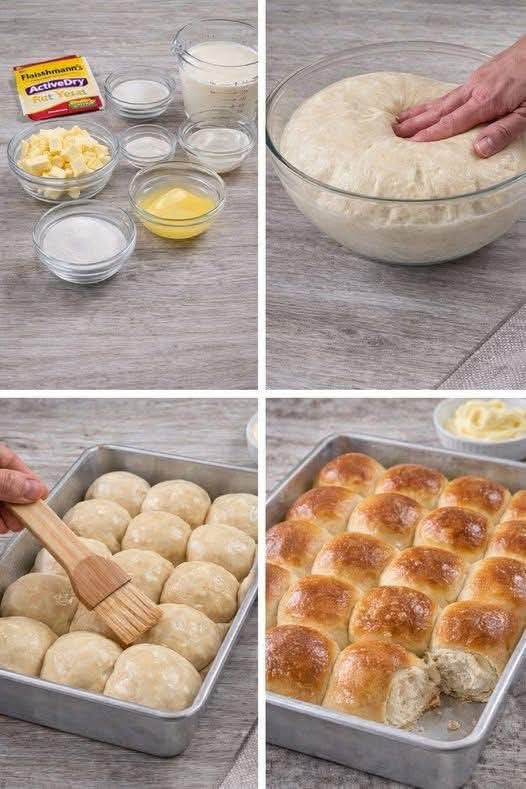
Mastering Amish White Bread: A Simple, Homemade Classic 🍞
There’s something magical about the smell of freshly baked bread filling the kitchen. Few recipes capture that warm, comforting feeling better than Amish White Bread — a soft, fluffy, slightly sweet homemade loaf that has been loved for generations. This bread is famous for its tender texture, golden crust, and rich homemade flavor that tastes far better than anything store-bought.
Amish White Bread is perfect for beginners because it uses simple pantry ingredients and easy techniques. Whether you enjoy it warm with butter, toasted for breakfast, or stacked high with sandwich fillings, this bread quickly becomes a family favorite. The gentle sweetness from honey and sugar gives the loaf its signature comforting taste, while the soft interior makes every slice irresistible.
Homemade bread baking is more than just cooking — it’s a tradition filled with love, patience, and comfort. Every loaf tells a story of family tables, shared meals, and simple living. Once you master this classic recipe, you may never want store-bought bread again.
Ingredients 🥖
For the Bread Dough
- 2 ½ teaspoons active dry yeast
- 1 cup warm water
- 1 tablespoon sugar
- 3 cups all-purpose flour
- 1 tablespoon vegetable oil
- 1 teaspoon salt
- 1 tablespoon honey
Optional for Brushing
- Melted butter for a soft crust
- Extra honey for sweetness
Equipment Needed 🍞
- Large mixing bowl
- Measuring cups and spoons
- Wooden spoon
- Clean kitchen towel
- Loaf pan
- Oven
Step-by-Step Instructions 👩🍳
Step 1: Activate the Yeast
In a large mixing bowl, combine the warm water, sugar, and active dry yeast. Stir gently and let the mixture sit for about 5–10 minutes until it becomes foamy.
Why This Step Matters
Foamy yeast means the yeast is alive and active. This ensures your bread rises beautifully and develops a light, fluffy texture.
Step 2: Add Wet Ingredients
Add the vegetable oil and honey to the yeast mixture. Stir until combined.
The honey adds a delicate sweetness and helps create a soft, moist crumb.
Step 3: Mix the Dough
Gradually add the flour and salt. Mix until a soft dough forms.
Once the dough becomes difficult to stir, transfer it onto a lightly floured surface.
Step 4: Knead the Dough
Knead the dough for about 8–10 minutes until smooth and elastic.
Proper Kneading Method
- Push the dough forward with the heel of your hand
- Fold it back toward yourself
- Rotate slightly
- Repeat until silky and stretchy
The dough should feel soft but not sticky.
Step 5: First Rise
Place the dough in a lightly greased bowl. Cover with a towel and let it rise in a warm place for 1–1½ hours or until doubled in size.
Best Rising Tips
- Warm kitchens help dough rise faster
- Avoid cold drafts
- Do not rush the process
A slow rise improves flavor and texture.
Step 6: Shape the Loaf
Punch down the dough gently to remove excess air.
Shape the dough into a loaf and place it into a greased loaf pan.
Step 7: Second Rise
Cover again and allow the dough to rise for another 30–40 minutes until puffy.
This second rise creates the bread’s beautiful soft texture.
Step 8: Bake
Bake in a preheated oven at 350°F (175°C) for 25–30 minutes or until the top is golden brown.
The loaf should sound hollow when tapped on the bottom.
Step 9: Cool and Serve
Remove from the pan and cool on a wire rack.
Brush with melted butter while warm for an extra soft crust and rich flavor.
Slice and enjoy!
Methods for Perfect Amish White Bread 🍞
Traditional Hand-Kneading Method
This classic method develops gluten naturally and gives the bread a rustic homemade texture.
Stand Mixer Method
Use a dough hook and knead on medium speed for about 5–6 minutes.
Overnight Refrigerator Rise
For deeper flavor:
- Refrigerate dough overnight after kneading
- Bring to room temperature before baking
This creates a richer bakery-style taste.
The History of Amish White Bread 📜
Amish White Bread comes from the Amish communities of America, known for their simple living, farming traditions, and homemade foods. Bread baking has always been central to Amish kitchens because homemade bread was affordable, filling, and nourishing for large families.
The Amish valued recipes that were dependable, inexpensive, and easy to prepare with basic ingredients. This soft white bread became popular because it stayed fresh for days and worked well for sandwiches, toast, and dinner sides.
Over time, the recipe spread far beyond Amish communities and became a beloved classic in homes everywhere.
Formation and Texture Science 🍞
Understanding how bread forms helps you become a better baker.
Yeast Fermentation
The yeast feeds on sugar and releases carbon dioxide gas, causing the dough to rise.
Gluten Development
Kneading strengthens gluten strands, creating structure and elasticity.
Moisture Balance
Oil and honey keep the loaf soft and moist.
Oven Spring
During the first minutes of baking, trapped gases expand quickly, giving the bread its final lift.
Bread Lovers’ Favorite Ways to Enjoy It ❤️
People who love Amish White Bread enjoy it in many delicious ways:
- Warm with butter and jam
- Toasted with cinnamon sugar
- Peanut butter sandwiches
- French toast
- Grilled cheese sandwiches
- Garlic bread
- Homemade croutons
- Bread pudding
Its soft texture makes it one of the most versatile homemade breads.
Common Mistakes and How to Avoid Them ⚠️
Using Water That’s Too Hot
Hot water can kill the yeast. Warm water should feel slightly warm, not hot.
Adding Too Much Flour
Too much flour makes dense bread. The dough should remain soft.
Skipping Kneading
Kneading develops the bread’s structure and softness.
Underbaking
Always bake until golden brown and hollow-sounding.
Storage Tips 🥯
Room Temperature
Store in an airtight container for up to 3 days.
Freezing
Wrap tightly and freeze for up to 2 months.
Reheating
Warm slices in the toaster or oven for fresh-baked flavor.
Conclusion 🌟
Amish White Bread is more than just a loaf of bread — it’s comfort, tradition, and homemade goodness in every slice. With its soft texture, gentle sweetness, and rich aroma, this classic recipe turns ordinary ingredients into something unforgettable.
Whether you are a beginner baker or an experienced cook, mastering this simple bread recipe brings joy to your kitchen and warmth to your table. Few things compare to slicing into a freshly baked loaf made with your own hands.
Once you taste this homemade classic, you’ll understand why bread lovers everywhere continue to cherish Amish White Bread generation after generation. ❤️