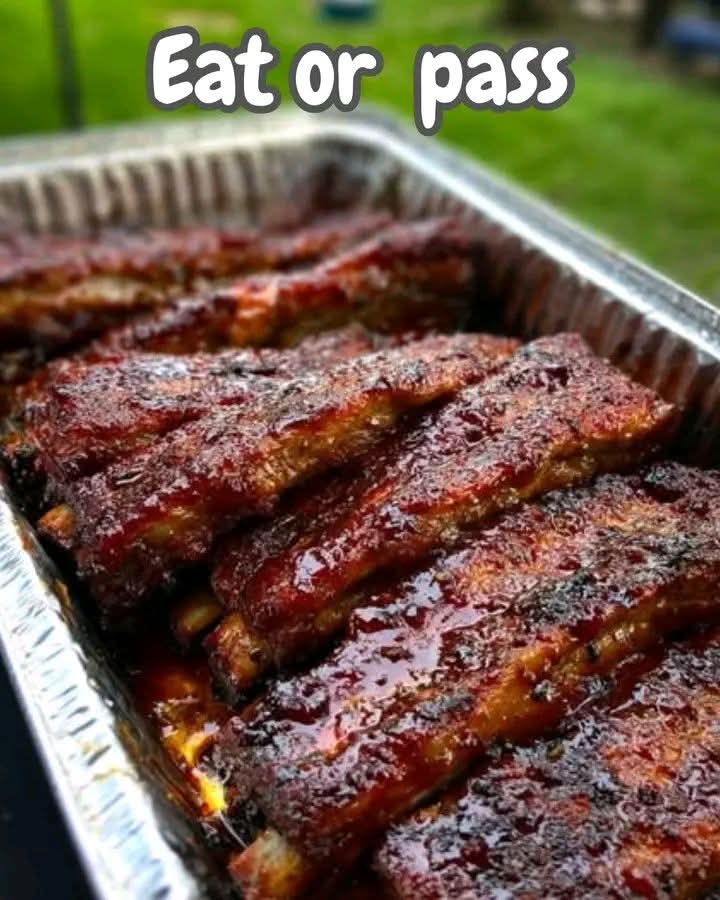
Here is a comprehensive guide to creating Sticky Glazed BBQ Ribs, structured as you requested.
Introduction: The Quintessential Comfort Food
There is something primal and deeply satisfying about eating BBQ ribs. It’s an experience that engages all the senses: the sight of a mahogany-dark, caramelized crust, the intoxicating aroma of smoke and spice, the sound of a gentle sizzle, and finally, the taste of tender, smoky meat that pulls cleanly from the bone. Sticky Glazed BBQ Ribs are the pinnacle of this experience. This recipe is designed to guide you through the process of creating restaurant-quality ribs in your own kitchen or backyard. It’s a labor of love that rewards patience with flavor, resulting in a dish that is perfect for a festive gathering, a summer cookout, or a comforting weekend dinner. We will build layers of flavor, from a bold dry rub to a luscious, sweet glaze, ensuring every bite is a perfect balance of spice, smoke, and sticky sweetness.
Ingredients: The Building Blocks of Flavor
· 2 racks pork ribs: (St. Louis-style or baby back). St. Louis-style ribs are larger, meatier, and have more fat, making them very forgiving. Baby back ribs are smaller, leaner, and more tender. Both work beautifully.
· 2 tbsp olive oil: A simple binder to help the dry rub adhere to the meat and to aid in the Maillard reaction (browning).
· For the Dry Rub:
· 3 tbsp brown sugar: Provides sweetness that caramelizes during cooking, forming the base of the crust or “bark.”
· 2 tbsp smoked paprika: The backbone of the rub, lending a deep, smoky flavor and vibrant red color.
· 1 tbsp garlic powder: Adds a savory, pungent depth.
· (Recommended additions for a more complex rub: 1 tbsp onion powder, 1 tsp cayenne pepper for heat, 1 tbsp kosher salt, 1 tbsp coarse black pepper.)
· For the Sticky Glaze:
· 1 cup BBQ sauce (your favorite brand or homemade)
· 1/4 cup honey or maple syrup (for extra stickiness and sweetness)
· 2 tbsp apple cider vinegar (to cut through the sweetness and add brightness)
· 1 tbsp Worcestershire sauce (for umami depth)
Instructions and Methods: The Path to Perfection
There are two primary paths to rib greatness: the low-and-slow oven method and the traditional grill/smoker method. Both are detailed below.
Step 1: Preparation – The Night Before (Recommended)
1. Remove the Membrane: Place the ribs bone-side up. Starting at one end, slide a knife under the thin, silvery membrane covering the bones. Loosen it, then grab it with a paper towel (for grip) and peel it off. Removing this membrane is crucial; it allows seasonings to penetrate and prevents the ribs from being tough and chewy.
2. Apply the Rub: Pat the ribs dry with paper towels. Drizzle with the olive oil and rub it all over. In a small bowl, combine all the dry rub ingredients. Apply the rub generously to both sides of the ribs, pressing it in to adhere.
3. Wrap and Rest: Wrap the seasoned ribs tightly in plastic wrap and place them in the refrigerator for at least 2 hours, or ideally overnight. This allows the flavors to deeply penetrate the meat.
Step 2: The Cooking Methods
Method A: The Oven-Baked Method (Easy & Reliable)
1. Preheat & Prepare: Preheat your oven to 275°F (135°C). Place the ribs on a large, rimmed baking sheet lined with aluminum foil (for easy cleanup). Place them meat-side up.
2. Bake Low and Slow: Cover the baking sheet tightly with another layer of foil, crimping the edges to seal in the steam. Bake for 2.5 to 3 hours for baby backs, or 3 to 3.5 hours for St. Louis-style ribs. You’ll know they are ready when the meat has pulled back from the bones by about 1/4 inch and a toothpick slides into the meat between the bones with little resistance.
Method B: The Grill/Smoker Method (For Maximum Smoke Flavor)
1. Set Up for Indirect Heat: Prepare your grill or smoker for indirect cooking at a steady 225-250°F (107-121°C). If using charcoal, bank the coals to one side. If using gas, turn off the burners on one side. Add wood chunks or chips (like hickory, apple, or cherry) for smoke.
2. Smoke the Ribs: Place the ribs bone-side down on the cool side of the grill (indirect heat). Close the lid and maintain a steady temperature. Smoke for 3 hours (for baby backs) to 4 hours (for St. Louis). Spritz with apple juice every 45 minutes to an hour to keep them moist.
Step 3: The Sticky Finish
1. Make the Glaze: While the ribs are cooking, combine the BBQ sauce, honey/maple syrup, apple cider vinegar, and Worcestershire sauce in a small saucepan. Warm over low heat, stirring to combine. Do not boil.
2. Glaze and Sear: Once the ribs are tender, it’s time for the sticky glaze.
· For Oven: Increase oven temperature to 400°F (200°C). Brush the ribs generously with the glaze on both sides. Return to the oven, uncovered, for 10-15 minutes until the glaze is bubbly and sticky.
· For Grill: Brush the ribs generously with the glaze. Move them over to direct heat for just 2-3 minutes per side, watching carefully to prevent burning. The sugars will caramelize quickly, creating that perfect sticky char.
History: A Journey Through Time
The history of ribs is a story of culinary ingenuity. While humans have been cooking meat on bones over fire for millennia, the dish we know as “BBQ ribs” has its roots in the American South. It is widely believed that enslaved people from West Africa, who were often tasked with cooking for plantation owners, brought with them the technique of slow-cooking tough cuts of meat over pits. They used this method to transform the “throwaway” cuts—like pork ribs and shoulders—into tender, flavorful feasts. This tradition evolved, with regional variations developing across the South, from the vinegar-based sauces of the Carolinas to the tomato-based, sweet sauces of Kansas City and Memphis. The sticky, glazed rib we celebrate today is a delicious product of this rich, complex, and resourceful history.
Benefits and Nutrition
Benefits (Beyond the Plate):
· Social Connection: Cooking and sharing ribs is a communal event. It brings people together, encouraging a relaxed, social atmosphere.
· Mindfulness: The slow-cooking process requires patience and attention, offering a rewarding escape from the fast pace of modern life.
· Rich Flavor, Less Waste: The method transforms an inexpensive, often overlooked cut of meat into a prized delicacy, honoring the principle of using the whole animal.
Nutrition (Approximate per serving, based on 3-4 ribs):
· Calories: 450-600 (depending on rib size and glaze amount)
· Protein: 30-40g (Excellent source)
· Fat: 30-40g (High, primarily from the meat)
· Carbohydrates: 20-30g (Mostly from sugar in the rub and glaze)
· Key Nutrients: Pork is a good source of Thiamin, Niacin, Vitamin B6, Phosphorus, and Zinc.
Note: While delicious, ribs are a high-calorie, high-fat dish best enjoyed as an occasional indulgence within a balanced diet.
Formation: Building the Dish
The “formation” of perfect ribs is a process of layering. It begins with the structural formation of removing the membrane to ensure tenderness. Next is the flavor formation, where the dry rub adheres to the meat, creating a base layer of savory spice and sweetness. During the long cooking process, textural formation occurs as collagen breaks down into gelatin, creating that signature fall-apart tenderness. Finally, the surface formation happens during the glazing stage, where heat transforms the sugars into a sticky, caramelized crust that locks in moisture and provides the final, irresistible layer of flavor and sheen.
Conclusion: A Feast for the Senses
Making Sticky Glazed BBQ Ribs is more than just following a recipe; it’s an act of creation. It’s about embracing a time-honored cooking method that transforms simple ingredients into something truly spectacular. The result is a dish that commands attention at the table—a sticky, smoky, sweet, and savory masterpiece. Whether you’ve used the reliable oven method or tended a smoker all day, the reward is the same: a platter of glistening ribs that bring smiles, happy sighs, and requests for seconds. This is food made with patience and passion, meant to be shared and savored.
Lovers: The Audience for Ribs
This dish is for the patient cook who understands that great flavor cannot be rushed. It’s for the gatherer, who finds joy in feeding a crowd and watching them dig in with abandon. It’s for the flavor adventurer who appreciates the complex interplay of smoke, spice, and sweetness. Most of all, it’s for anyone who believes that food should be a hands-on, joyful, and memorable experience. From the pitmaster to the home cook, lovers of ribs are united by a shared appreciation for this iconic dish.