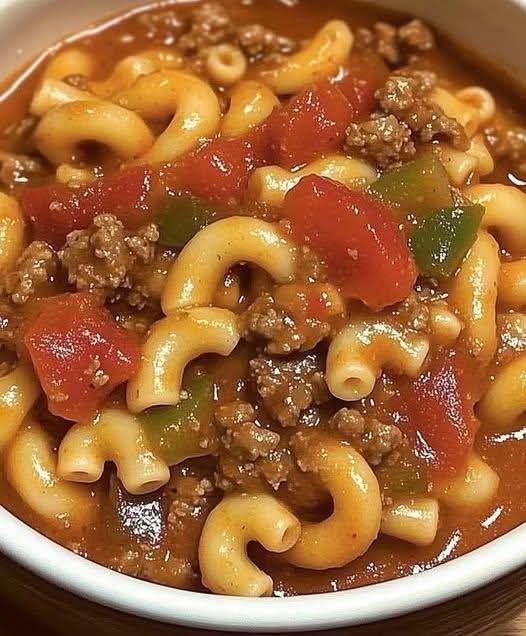
Let’s turn this into a proper, hearty classic.
🍲 Traditional Goulash ()
Introduction
Goulash is a rich, comforting dish that comes from Hungary and has become a beloved meal across Europe and beyond. Originally a shepherd’s stew cooked over open fires, it slowly evolved into a deep, paprika-infused beef dish that is both rustic and full of flavor. It’s the kind of recipe that tastes even better the next day, which is why so many people grow up with it as a family favorite.
🧂 Ingredients
Meat & base
- 1 kg beef chuck, cut into cubes
- 2 tbsp vegetable oil or lard
- 2 large onions, finely chopped
- 3 cloves garlic, minced
Vegetables
- 2 carrots, sliced
- 2 potatoes, diced
- 1 red bell pepper, chopped (optional but recommended)
- 2 tomatoes, chopped (or 2 tbsp tomato paste)
Spices & flavor
- 2 tbsp sweet Hungarian paprika
- 1 tsp smoked paprika (optional)
- 1 tsp caraway seeds
- 1 tsp salt (adjust to taste)
- ½ tsp black pepper
- 1 bay leaf
Liquid
- 1.2–1.5 liters beef broth or water
👨🍳 Instructions
1. Build the flavor base
Heat oil in a large pot. Add onions and cook slowly until soft and golden. This step is key—don’t rush it. Add garlic and stir for 30 seconds.
2. Add spices
Remove the pot from direct high heat for a moment, then add paprika, caraway seeds, salt, and pepper. Stir quickly so the paprika doesn’t burn (it turns bitter if overheated).
3. Brown the meat
Add beef cubes and mix well so they are coated in the spice-onion base. Let them brown slightly for richer flavor.
4. Simmer gently
Add tomatoes (or tomato paste) and pour in the broth. Add bay leaf. Bring to a boil, then reduce to low heat. Cover and simmer for about 1.5 to 2 hours until beef becomes tender.
5. Add vegetables
Add carrots, potatoes, and bell pepper. Continue cooking for another 25–30 minutes until vegetables are soft and stew thickens slightly.
6. Final taste
Adjust salt and pepper. Remove bay leaf before serving.
🔥 Methods & Cooking Style
- Slow cooking is essential for tenderness and deep flavor
- Paprika is the heart of the dish—quality matters
- One-pot cooking allows flavors to build and intensify
- Traditionally cooked over open flame, now adapted to stovetop or slow cooker
📜 History
Goulash dates back to medieval Hungary, where herdsmen cooked meat stews in iron kettles called bogrács. The dish became popular across the Austro-Hungarian Empire and evolved into many regional variations. Originally, it was more soup-like, but over time it transformed into the thicker stew many people recognize today.
Paprika, now essential, became a defining ingredient only after it was introduced to Europe from the Americas.
🧬 Formation (How the dish comes together)
The structure of goulash is built in layers:
- Sweet onions form the base
- Paprika and spices create the signature red broth
- Beef releases collagen for richness
- Vegetables add texture and balance
- Slow simmering fuses everything into a thick, hearty stew
🍽️ Serving Suggestions
- Serve with crusty bread
- Traditional: egg noodles or dumplings (nokedli)
- Optional topping: fresh parsley or sour cream
❤️ Conclusion
Goulash is more than just a recipe—it’s comfort in a bowl. It carries history, warmth, and the feeling of home cooking passed through generations. It’s the kind of dish people return to again and again because it never stops being satisfying.
😋 For “lovers of goulash”
For people who love it rich, you can:
- Add a splash of red wine for depth
- Let it rest overnight for even better flavor
- Increase paprika for a stronger, smokier profile
- Serve with extra sauce for dipping bread
If you want, I can also give you:
- Or