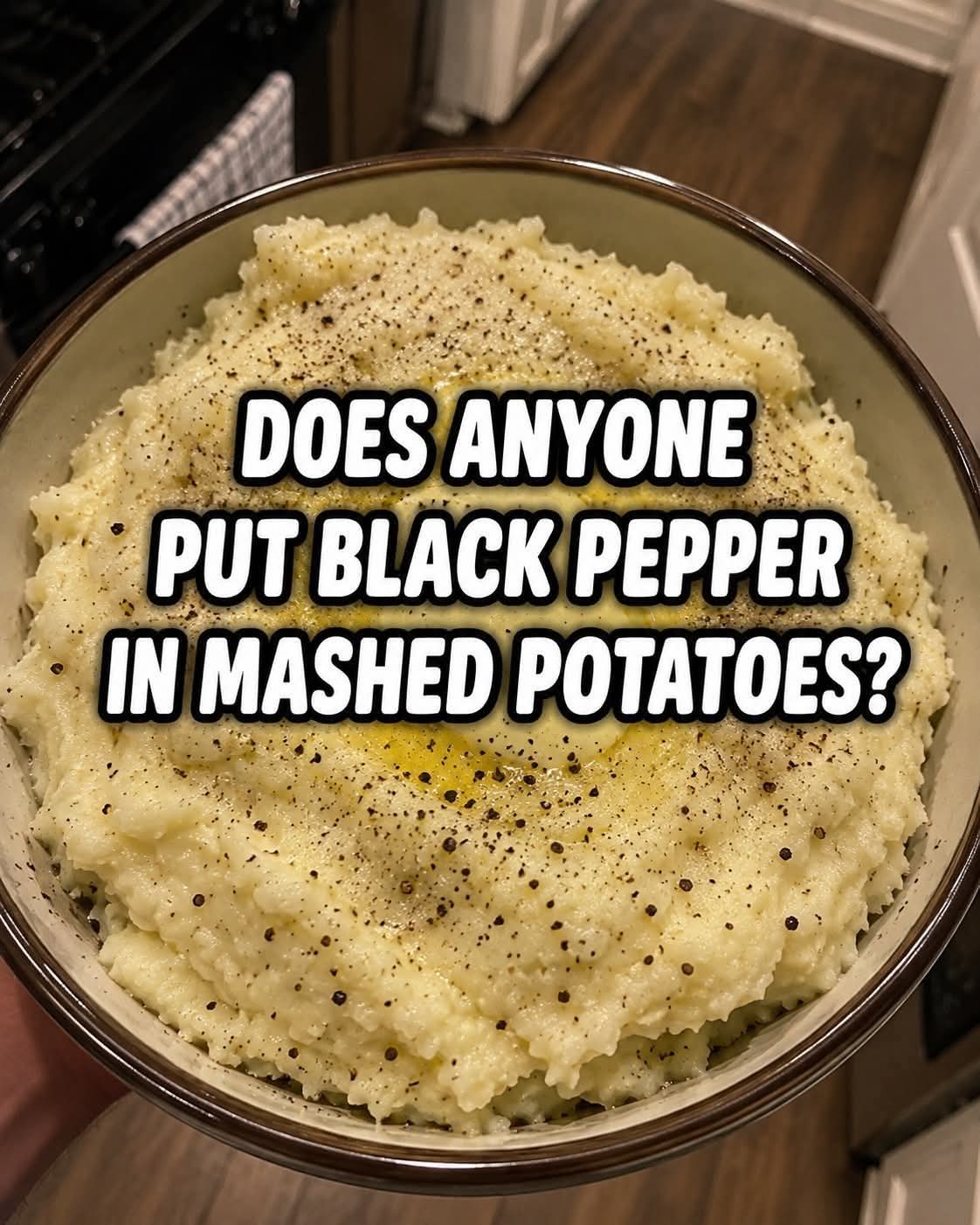
Here is the ultimate, big, bold recipe for Old Mashed Potatoes—the kind that taste like they came straight from Grandma’s farmhouse kitchen. No fluff, just fluffy.
—
🥔 Introduction
Old Mashed Potatoes are not about being healthy or fancy. They are about tradition, butter, and soul. This recipe uses russet potatoes, real whole milk, and an entire stick of butter to create a side dish so creamy it could be a main course. Passed down through generations, these spuds are the gold standard for Sunday roasts and holiday tables.
—
📜 History
The mashed potato originated in the 1700s, popularized by the French chef Antoine-Augustin Parmentier. However, the “Old” style comes from 19th-century American farm cooking—where potatoes were boiled in their jackets, peeled by hand, and smashed with heavy cream from the family cow. It was a dish of survival that became a dish of celebration.
—
🛠️ Methods (The Old Way)
1. Boil whole, unpeeled potatoes to lock in starch.
2. Peel while hot (use a towel to hold them).
3. Rice or hand-mash—never use a blender (it turns gluey).
4. Fold in warm dairy and butter gradually.
5. Whip gently with a wooden spoon until just combined.
—
📝 Ingredients (Serves 8)
· 5 lbs Russet or Yukon Gold potatoes
· 1 ½ sticks (12 tbsp) unsalted butter
· 1 ½ cups whole milk (or half-and-half)
· 2 tsp kosher salt (plus more for water)
· 1 tsp white pepper (black is fine)
· Optional: ½ cup sour cream for tang
—
👨🍳 Step-by-Step Instructions
1. Prep: Scrub potatoes (do not peel). Cut large ones in half so they cook evenly.
2. Boil: Cover with cold salted water by 2 inches. Boil hard for 25–30 min until fork-tender.
3. Heat dairy: In a small pan, melt butter with milk over low heat (do not boil).
4. Peel hot: Drain potatoes. While still hot, peel skins off with a paring knife (they slip right off).
5. Mash: Pass through a ricer or mash with a hand masher back into the hot pot.
6. Combine: Pour in warm butter-milk mixture, salt, and pepper. Fold with a wooden spoon until smooth—do not overmix.
7. Finish: Taste and adjust. Serve immediately with a butter pat on top.
—
🧪 Formation (The Science)
Potatoes have two key starches: amylose (sticky) and amylopectin (fluffy). Russets have high amylopectin, which gives that fluffy texture. Heating the dairy before adding prevents the starches from seizing, keeping them light. Overworking releases too much amylose, resulting in a gluey paste—so gentle folds are critical.
—
🥗 Nutrition (Per 1-cup serving)
· Calories: ~320
· Fat: 18g
· Carbs: 34g
· Protein: 5g
· Potassium: 800mg
· Calcium: 10% DV
(Rich in vitamin C, B6, and energy—but let’s be real, it’s the butter we love.)
—
❤️ Benefits
· Comfort food: Boosts serotonin and mood.
· Energy: Complex carbs fuel muscle recovery.
· Gut-friendly: Resistant starch (if cooled) feeds good bacteria.
· Versatile: Pairs with meats, veggies, or gravy.
—
🧈 Lovers
These potatoes are adored by:
· Sunday roast fans
· Thanksgiving purists
· Steakhouse regulars
· Kids who hate vegetables (until now)
· Chefs who know simplicity is king
—
⚠️ Alternative Methods
· Vegan: Use olive oil + oat milk + nutritional yeast.
· Low-carb: Swap for mashed cauliflower (but it’s not the same).
· Garlic-infused: Simmer 6 crushed garlic cloves in the butter before adding.
· Make-ahead: Cool, refrigerate, then reheat in a double boiler with extra milk.
—
🧾 Formation Recap (Visual)
· Base: Starchy potato
· Fat: Butter (emulsifier)
· Liquid: Milk (moisture)
· Action: Gentle folding = aerated, fluffy matrix
—
🎯 Conclusion
Old Mashed Potatoes aren’t just food—they’re a hug on a plate. They teach us that the best dishes have few ingredients, done perfectly. Whether you’re feeding a crowd or just yourself on a rainy day, this recipe delivers nostalgia, richness, and utter satisfaction.
—
🍽️ Final Note for Lovers
If you love these, serve them with a deep gravy well in the center, a sprinkle of paprika, and watch everyone fight for the crispy edges from the pot. Make them once, and they’ll beg you forever.
—
Enjoy, and pass the butter! 🧈🥔