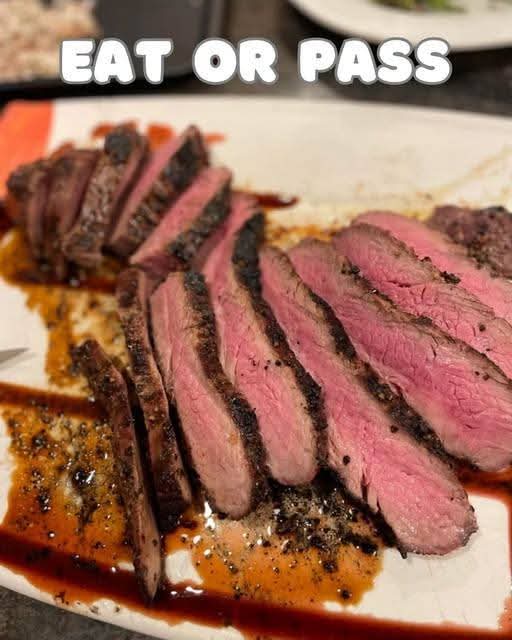
Here is a complete guide to cooking flank steak, covering everything you asked for—including a big recipe, history, nutrition, and more.
—
How to Cook Flank Steak (Grilled or Oven Broiled)
Introduction
Flank steak comes from the lower abdominal area of the cow, making it a lean, muscular cut with bold beefy flavor. Because it’s tough if cooked incorrectly, it demands fast, high-heat cooking and must be sliced thinly against the grain. Whether grilled over charcoal or broiled in an oven, this cut shines in everything from fajitas to steak salads.
History
Flank steak has been enjoyed for centuries in Latin American and Asian cuisines. In Mexico, it’s the traditional base for arrachera (grilled marinated flank steak for tacos). In the U.S., it became popular in the mid-20th century as home cooks discovered that marinating and quick searing could transform this once-cheap cut into a delicacy. Today, it’s prized worldwide for its flavor-to-cost ratio.
Benefits
· High in protein – ~26g per 3oz serving.
· Rich in B vitamins – B12, B6, and niacin support energy and brain function.
· Low in fat compared to ribeye or T-bone.
· Iron-rich – helps prevent fatigue and supports red blood cells.
· Versatile – takes on marinades beautifully and cooks in under 10 minutes.
Nutrition (per 100g / 3.5oz, broiled, lean only)
· Calories: ~190
· Protein: 28g
· Fat: 8g (saturated 3.5g)
· Iron: 15% DV
· Zinc: 30% DV
· Vitamin B12: 80% DV
Big Recipe – Grilled or Oven Broiled Flank Steak
Serves 4-6 | Prep: 10 min + marinating | Cook: 6–10 min
Ingredients
· 1.5 – 2 lbs flank steak (about 1 inch thick)
· Marinade (optional but recommended):
· ¼ cup olive oil
· 3 tbsp low-sodium soy sauce
· 2 tbsp lime juice (fresh)
· 3 cloves garlic, minced
· 1 tbsp brown sugar
· 1 tsp ground cumin
· ½ tsp black pepper
· For finishing: Flaky sea salt and fresh cracked pepper
Methods
Method 1 – Grilled (Best for smoky char)
1. Marinate (2–8 hours): Whisk marinade ingredients. Pour over steak in a zipper bag, refrigerate.
2. Prep grill: Heat to high (450–500°F / 230–260°C). Clean and oil grates.
3. Grill: Remove steak from marinade, pat dry. Grill 4–5 minutes per side for medium-rare (130–135°F internal).
4. Rest: Tent with foil for 5–10 minutes (critical for juice retention).
5. Slice: Cut thinly against the grain at a 45° angle.
Method 2 – Oven Broiled (Great for apartments)
1. Position rack 4–6 inches below broiler. Preheat broiler to high for 10 minutes.
2. Prepare steak (marinate as above). Pat dry, season with salt/pepper.
3. Broil: Place steak on a foil-lined baking sheet with a wire rack (or directly on sheet). Broil 4–6 minutes per side to desired doneness (use a meat thermometer).
4. Rest and slice exactly as above.
Doneness Guide (Internal temp before resting)
· Rare: 125°F → rests to ~130°F
· Medium-rare: 130°F → rests to ~135°F (recommended)
· Medium: 140°F → rests to ~145°F (avoid beyond this – it gets tough)
Formation (How the tenderness forms)
When flank steak cooks over high heat, the muscle fibers contract. Resting allows the juices to redistribute. Slicing against the grain — perpendicular to the long muscle fibers — shortens those fibers, so each bite is tender instead of stringy.
Lovers (Who enjoys flank steak)
· Meal preppers – great for high-protein lunch bowls
· Fajita and taco lovers – classic filling
· Grill enthusiasts – quick, rewarding cook
· Budget-conscious foodies – bold flavor without ribeye prices
· Low-carb & keto dieters – lean and satiating
Conclusion
Flank steak proves that you don’t need expensive marbling for a juicy, steakhouse-worthy meal. With high heat, a good marinade, and proper slicing against the grain, this lean cut becomes incredibly tender. Whether grilled outdoors or broiled in your oven, it delivers big beefy flavor in under 15 minutes of active cooking. Serve it with chimichurri, roasted veggies, or tucked into warm tortillas — and enjoy a nutritious, satisfying meal.
—
Pro tip: Always rest the steak for 5–10 minutes. Skip this, and even a perfectly cooked flank steak will leak its juices onto the cutting board instead of into your mouth.