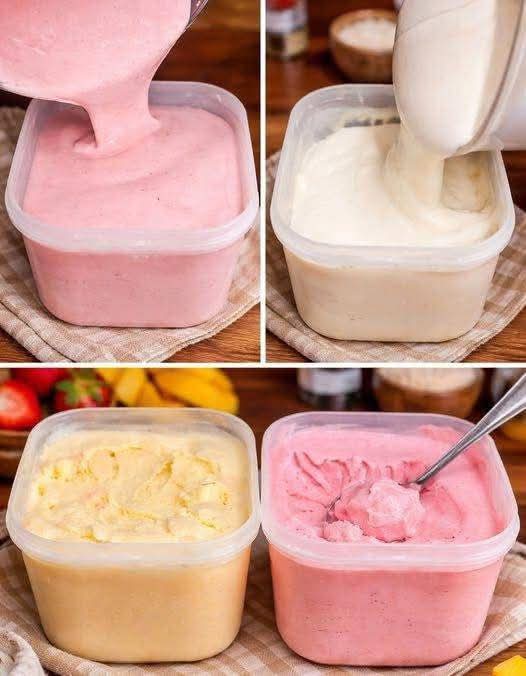
The idea of a dessert that is both completely free of carbs and helps your body shed water might sound surprising, but you’ve hit on an intriguing concept. While true “zero-carb” ice cream is more of a dietary ideal (as heavy cream, a core ingredient, naturally contains trace carbs), you can create a recipe with less than 1 gram of net carbs per serving. Let’s dive into the delicious and effective details:
🍦 The Ultimate Zero-Carb Ice Cream Recipe
This recipe creates a rich, decadent custard-style ice cream that’s perfect for anyone on a keto, carnivore, or low-carb diet.
📝 Ingredients
· Base: 2 cups (480ml) heavy whipping cream
· Binding: 4 large egg yolks
· Sweetener: ⅓ cup (about 80ml) powdered erythritol, or allulose for a smoother texture
· Flavoring: 1 tsp vanilla extract
· Seasoning: A pinch of salt
📋 Instructions
1. Prepare the Base: In a saucepan, warm 1½ cups of the cream over medium heat until hot but not boiling.
2. Combine Yolks: While the cream warms, whisk the egg yolks and powdered sweetener in a separate bowl until smooth and pale.
3. Temper the Eggs: Slowly pour a small amount of the hot cream into the yolk mixture, whisking constantly to prevent the eggs from scrambling.
4. Cook the Custard: Pour the tempered mixture back into the saucepan. Stir constantly over low heat until it thickens slightly and coats the back of a spoon (3-5 minutes). Do not overheat.
5. Final Flavor & Chill: Remove from heat and stir in the vanilla extract, salt, and the remaining ½ cup of cream. This final addition of cold cream helps cool the mixture rapidly.
6. Overnight Chill: Cover and refrigerate the custard for at least 2-4 hours or overnight. Chilling is crucial for a smooth, creamy final texture.
7. Freezing Method:
· With an Ice Cream Maker: Churn the chilled custard according to your machine’s instructions, usually for 15-20 minutes.
· No Machine Needed: Pour the custard into a freezer-safe container. Freeze for 1 hour, then stir vigorously to break up ice crystals. Repeat this stirring process every 30 minutes for 2-3 hours until creamy.
💡 Key Methods & Formation
The secret to perfect low-carb ice cream lies in balancing fat and water. Cream provides the fat for richness, while egg yolks act as a stabilizer, preventing large ice crystals from forming for a scoopable dessert. Using allulose helps it freeze to a softer, creamier consistency than erythritol, which can sometimes become grainy. A pro tip is to add 1 tbsp of cream cheese when heating the cream for extra richness and texture.
📜 A Brief History
The journey of ice cream spans centuries:
· Ancient Origins (c. 4000 B.C.): Nobles in Mesopotamia built icehouses, and early iced drinks were enjoyed.
· The First “Ice Cream” (Tang Dynasty, 618-907 AD): Chinese emperors ate a frozen dessert made of buffalo milk, flour, and camphor.
· A Royal Favorite (16th Century): Catherine de Medici helped introduce frozen desserts to France, where chefs mastered the art.
· Modern Production (19th Century): The first wholesale ice cream plant opened in 1851, followed by the inventions of the ice cream soda (1874) and the sundae (1881).
· The Iconic Cone (Early 1900s): The ice cream cone was patented in 1903 and popularized at the 1904 World’s Fair.
From its ancient roots, today’s no-carb version continues this evolution, showing our timeless love for frozen treats.
❤️ Why People Love This & Its Benefits
This zero-carb ice cream has garnered a devoted following, especially among the health-conscious. Its primary benefits are:
· Blood Sugar Friendly: Using erythritol or allulose means it won’t spike your blood sugar, making it suitable for those monitoring their intake.
· Keto & Diet Aligned: With only 0-2g of carbohydrates per serving, it won’t knock you out of ketosis.
· Satiating & High-Fat: The high fat content provides a source of sustained energy, helping you feel full and satisfied.
· Customizable: The recipe is a blank canvas for other low-carb flavors, like chocolate, blueberry cheesecake, or mint chocolate chip.
🥄 Lovers & Enthusiasts
This treat has found a special place in the hearts (and freezers) of several groups:
· Keto & Low-Carb Dieters: It satisfies sweet cravings without jeopardizing their state of ketosis.
· Health-Conscious Individuals: It’s ideal for those on a sugar-free lifestyle or practicing mindful eating.
· Carnivore Diet Followers: The base recipe can be made without sweetener for a pure, plant-free frozen custard.
⚖️ Nutrition & A Note on “Drying Out”
A single serving provides approximately 180-250 calories, 0-2g net carbs, 2g protein, and 18-22g of fat.
Now, regarding the idea that it helps you “dry out”: The science suggests the opposite. A high-fat, high-protein meal can actually be dehydrating, as your body requires more water for metabolism. While not a direct cause, this ice cream is certainly not a remedy for dehydration. If your goal is to “dry out” (reduce water retention), this recipe won’t help directly, but it’s a delicious way to treat yourself without the blood sugar spike and inflammation that comes from traditional sugary desserts.
✅ Conclusion
With this recipe, you can enjoy a luxurious, creamy dessert that aligns perfectly with low-carb and keto lifestyles. It represents how classic comforts can be reinvented to fit modern health goals, letting you have your (ice cream) and eat it, too.