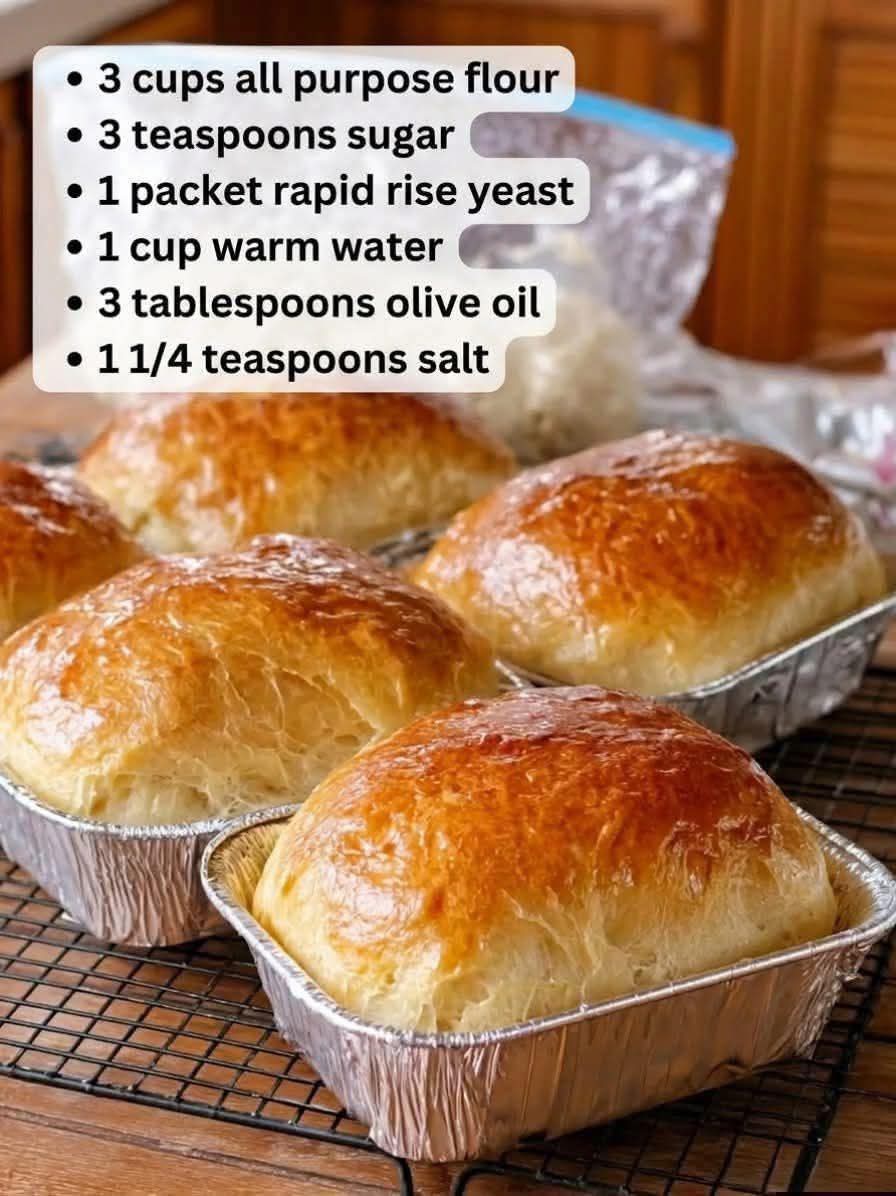
Bread in a Bag
There is something wonderfully comforting about making fresh homemade bread, especially when the process is simple, fun, and doesn’t leave the kitchen covered in flour. “Bread in a Bag” is one of the easiest and most enjoyable ways to bake bread at home. Instead of kneading on a counter, the dough is mixed right inside a resealable bag, making cleanup quick and stress-free. This recipe is perfect for beginners, busy families, students, and anyone who loves the smell of warm bread fresh from the oven.
The beauty of Bread in a Bag is that it combines convenience with tradition. You still get the soft texture, golden crust, and rich homemade flavor of classic bread, but with a modern shortcut that saves time and effort. It is a recipe that brings joy to the kitchen and creates memories with every loaf baked.
The History of Bread
Bread is one of the oldest foods in human history. Ancient civilizations such as the Egyptians, Greeks, and Romans baked simple loaves thousands of years ago. Early bread was made from crushed grains mixed with water and baked on hot stones. Over time, bakers discovered yeast fermentation, which created lighter and fluffier bread.
As baking evolved around the world, every culture developed its own special bread traditions. From French baguettes to Middle Eastern flatbreads, bread became a symbol of nourishment, family, and hospitality. Bread in a Bag is a modern version of this timeless tradition, designed to make homemade baking easier for everyone.
Why People Love Bread in a Bag
Bread lovers enjoy this recipe because:
- It is easy to prepare
- There is very little mess
- No complicated equipment is needed
- The dough is fun to mix by hand
- Children enjoy helping with the bag mixing method
- The bread turns out soft, fluffy, and delicious
- It can be customized with herbs, cheese, garlic, or seeds
This recipe is proof that homemade bread does not need to be difficult.
Ingredients
Dry Ingredients
- 3 cups all-purpose flour, divided
- 3 tablespoons granulated sugar
- 1 packet active dry yeast (2 1/4 teaspoons)
- 1 teaspoon salt
Wet Ingredients
- 1 cup warm water (about 110°F / 43°C)
- 3 tablespoons vegetable oil
Optional Additions
- Garlic powder
- Italian herbs
- Shredded cheese
- Sesame seeds
- Oats
- Melted butter for brushing
Kitchen Equipment
- Large resealable plastic bag
- Large mixing bowl
- Loaf pan
- Measuring cups and spoons
- Clean towel
- Oven
Preparation Method
Step 1: Prepare the Bag
Place 1 cup of flour, sugar, yeast, and salt into a large resealable plastic bag. Seal the bag tightly and shake gently to combine all ingredients evenly.
Step 2: Add Warm Liquids
Pour the warm water and vegetable oil into the bag. Seal again and squeeze the bag carefully with your hands until the mixture becomes smooth and sticky.
Step 3: Add More Flour
Add another cup of flour into the bag. Seal and knead gently by squeezing the bag until combined.
Gradually add the final cup of flour until a soft dough forms. The dough should feel smooth and slightly elastic.
Step 4: Knead the Dough
Remove the dough from the bag onto a lightly floured surface. Knead for about 5–8 minutes until the dough becomes soft and stretchy.
Step 5: First Rise
Place the dough into a greased bowl and cover with a towel. Let it rise in a warm place for about 30–45 minutes or until doubled in size.
Step 6: Shape the Bread
Punch down the dough gently to release air bubbles. Shape it into a loaf and place it into a greased loaf pan.
Step 7: Second Rise
Cover again and allow the dough to rise for another 20–30 minutes.
Step 8: Bake
Bake in a preheated oven at 375°F (190°C) for 30–35 minutes or until the top is golden brown.
Step 9: Cool and Serve
Remove from the oven and brush the top with melted butter if desired. Allow the bread to cool slightly before slicing.
Bread Formation and Baking Science
Bread making is both art and science. During the mixing process, gluten develops inside the dough. Gluten gives bread its structure and chewy texture. Yeast feeds on sugar and produces carbon dioxide gas, causing the dough to rise and become airy.
When the bread enters the oven:
- Heat activates the final yeast rise
- Moisture creates steam
- Proteins strengthen the loaf structure
- Sugars caramelize for a golden crust
This transformation is what turns simple ingredients into a beautiful loaf of bread.
Tips for Perfect Bread
- Use warm water, not hot water, to avoid killing the yeast
- Knead until the dough feels smooth
- Let the dough rise in a warm area
- Avoid adding too much flour
- Brush with butter for a softer crust
- Store bread in an airtight container
Flavor Variations
Garlic Herb Bread
Add garlic powder, parsley, oregano, and basil to the dough.
Cheese Bread
Mix shredded cheddar or mozzarella into the dough before shaping.
Sweet Cinnamon Bread
Add cinnamon and raisins for a sweeter loaf.
Whole Wheat Version
Replace half the flour with whole wheat flour for a healthier option.
Serving Ideas
This bread pairs beautifully with:
- Soups
- Pasta dishes
- Sandwiches
- Butter and jam
- Cheese platters
- Breakfast eggs
Fresh slices straight from the oven are especially delicious.
Why Homemade Bread Feels Special
Homemade bread creates warmth in the kitchen unlike almost any other recipe. The smell of baking bread brings comfort, nostalgia, and happiness. Many people associate fresh bread with family gatherings, cozy evenings, and childhood memories.
Bread lovers appreciate the simplicity and honesty of homemade baking. Each loaf is unique, made with care and patience rather than factory machines. Sharing warm bread with loved ones is one of the oldest and most meaningful traditions in the world.
Conclusion
Bread in a Bag is the perfect recipe for anyone who wants easy homemade bread without the stress or mess of traditional baking methods. It is simple enough for beginners yet satisfying enough for experienced bakers. With just a few pantry ingredients and a resealable bag, you can create a soft, flavorful loaf that fills your home with warmth and comfort.
Whether enjoyed fresh with butter, used for sandwiches, or shared at the dinner table, this bread recipe reminds us that the best foods are often the simplest ones. Homemade bread is more than just food — it is tradition, creativity, comfort, and love baked into every slice.