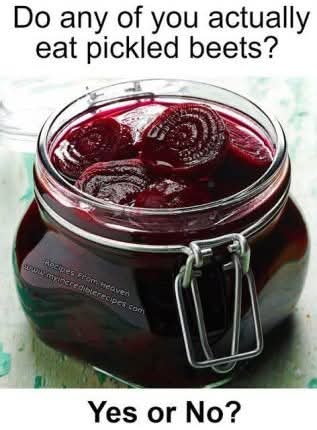
🥄 Delicious Pickled Beets Recipe: A Cherished Tradition
Pickled beets are one of those timeless homemade preserves that carry both comfort and nostalgia. Their deep ruby color, earthy sweetness, and tangy vinegar bite make them a beloved side dish across generations. Whether served beside roasted meats, layered into salads, or enjoyed straight from the jar, pickled beets bring a bold burst of flavor to any table.
This recipe is a traditional-style version that balances sweetness, acidity, and spice while keeping the beets tender and vibrant.
🧾 Ingredients
🥬 For the Beets
- 6–8 medium fresh beets (about 1.5 kg)
- Water (for boiling)
🧂 For the Pickling Brine
- 1 ½ cups white vinegar (or apple cider vinegar for a milder taste)
- 1 cup water
- ¾ cup granulated sugar (adjust to taste)
- 1 ½ teaspoons salt
- 1 teaspoon whole cloves (optional but traditional)
- 1 cinnamon stick (optional for warmth)
- ½ teaspoon black peppercorns
- 1 small bay leaf
🍳 Instructions
1. Preparing the Beets
- Wash the beets thoroughly, keeping the skins on.
- Trim the tops, leaving about 2 cm of stem to prevent bleeding.
- Place beets in a large pot and cover with water.
- Bring to a boil, then simmer for 30–45 minutes until fork-tender.
- Drain and allow them to cool.
- Once cool, gently peel off the skins (they should slip off easily).
- Slice or cube the beets as desired.
2. Making the Pickling Brine
- In a saucepan, combine vinegar, water, sugar, salt, cloves, cinnamon, peppercorns, and bay leaf.
- Bring the mixture to a boil, stirring until sugar dissolves.
- Reduce heat and simmer for 5 minutes to infuse flavors.
3. Combining and Jarring
- Pack sliced beets into sterilized glass jars.
- Pour the hot pickling brine over the beets until fully covered.
- Tap jars lightly to remove air bubbles.
- Seal tightly with lids.
4. Cooling and Storing
- Let jars cool at room temperature.
- Refrigerate for at least 24–48 hours before eating for best flavor.
- Can be stored in the fridge for up to 3–4 weeks.
🔪 Methods (Traditional & Modern)
🏺 Traditional Method
In old European kitchens, beets were often stored in stone crocks with vinegar brine and spices during autumn harvest to last through winter. This fermentation-inspired pickling preserved nutrients and provided a vital food source during cold months.
⚡ Modern Method
Today, quick pickling in sterilized jars allows for faster preparation and controlled flavor without long fermentation. It is cleaner, safer, and more convenient for home kitchens.
📜 History & Formation
Pickled beets have roots in Eastern European, German, and Mediterranean cuisines. Historically, beets were valued for their long shelf life and natural sweetness. Pickling became a preservation technique used to extend harvests and enhance flavor.
Over time, recipes evolved:
- In Eastern Europe: more sour and earthy versions
- In North America: sweeter, spiced variations
- In Mediterranean regions: lighter vinegar blends with herbs
The formation of modern pickled beets blends all these traditions into one balanced recipe—sweet, tangy, and aromatic.
❤️ Lovers of Pickled Beets
Pickled beet lovers often describe this dish as:
- “Sweet and sour perfection in a jar”
- “A childhood memory on a plate”
- “The perfect balance of earth and brightness”
They are especially loved by people who enjoy:
- Traditional homemade preserves
- Healthy, low-fat side dishes
- Bold, tangy flavors that awaken the palate
👩🍳 Serving Ideas (Bonus)
- Serve with grilled meats or roasted chicken
- Add to green salads with feta cheese
- Pair with boiled potatoes and herbs
- Use in sandwiches or burgers for a tangy crunch
💖 Conclusion
Pickled beets are more than just a recipe—they are a tradition preserved in vinegar and time. Their vibrant color and rich flavor bring life to simple meals, connecting generations through a shared love of homemade food.
Whether you’re making them for the first time or continuing a family tradition, this recipe offers a perfect balance of history, flavor, and heart.
Enjoy every bite of this sweet and tangy classic! 🥄✨