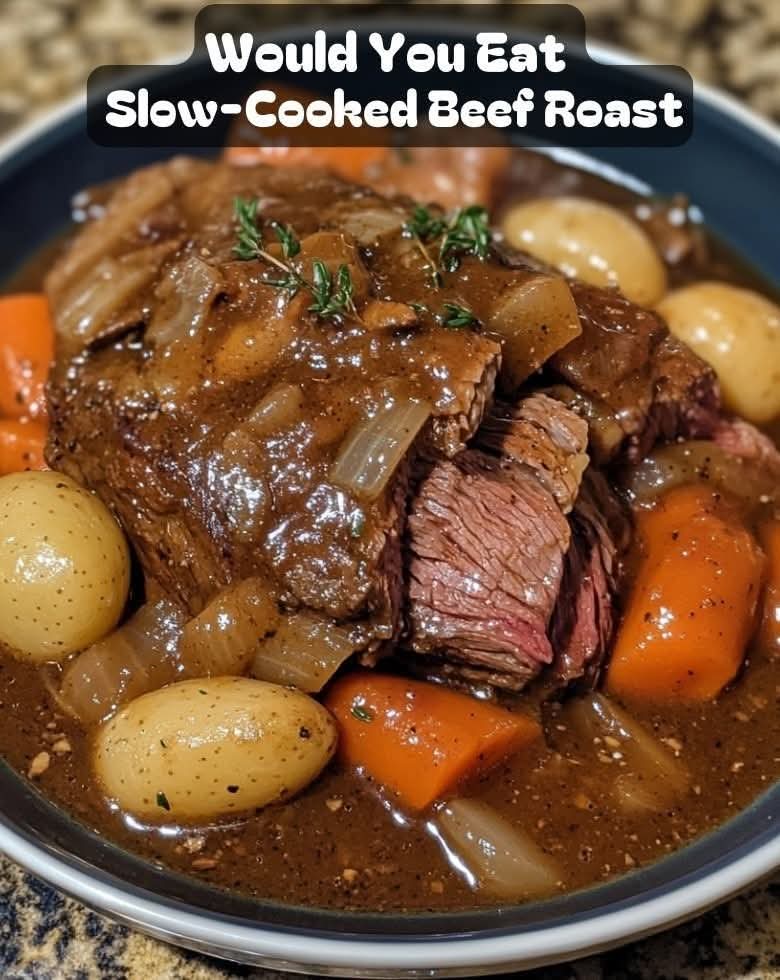
Here is a comprehensive guide to Pot Roast with Potatoes and Carrots, presented as you requested.
—
The Quintessential Pot Roast: A Symphony of Comfort in a Pot
Introduction
There are few dishes in the culinary world that evoke the feeling of home, comfort, and heartfelt nourishment quite like a classic Pot Roast. It is more than just a meal; it’s an experience, a fragrant memory in the making. Imagine a busy Sunday afternoon, the air turning crisp, and from the kitchen wafts the deep, savory aroma of beef, onions, and herbs mingling together as they slowly transform in the oven. This is the promise of pot roast.
At its heart, this dish is a celebration of patience and simplicity. A humble, tougher cut of beef, like chuck roast, is transformed through gentle, moist heat into a fork-tender masterpiece. Surrounded by a bed of sweet carrots and earthy potatoes that soak up the rich, beefy cooking liquid, every component of the dish contributes to a whole that is far greater than the sum of its parts. This recipe is a guide to creating that very symphony—a perfect, golden-brown pot roast with vegetables so tender they melt in your mouth, all swimming in a luscious, naturally thickened gravy. It is the ultimate Sunday supper, a dish to gather the family around and create lasting memories.
A Brief History
The pot roast is a dish born of necessity and ingenuity, with roots stretching back centuries and across continents. Before modern butchery and quick-cooking methods, tough cuts of meat from well-worked muscles were the everyday reality. The solution, found in cultures from Europe to North America, was “pot roasting”—a method of browning the meat to develop deep flavor, then cooking it slowly with a small amount of liquid in a covered pot. This technique, a hybrid of braising and roasting, uses moist heat to break down the tough connective tissues (collagen) in the meat, turning it into rich, unctuous gelatin that tenderizes the beef and enriches the cooking liquid. In America, it became a cornerstone of home cooking, especially pot roast with potatoes and carrots, celebrated for its ability to feed a family affordably and deliciously.
Benefits of Pot Roast
· Nutrient-Dense: Packed with high-quality protein, iron, and B vitamins from the beef. Carrots provide a massive dose of Vitamin A, while potatoes offer potassium, Vitamin C, and fiber.
· Economical: Utilizes an inexpensive, tough cut of beef and transforms it into a luxurious, tender meal.
· One-Pot Wonder: Minimal cleanup! The entire meal, protein and vegetables, cooks together in a single vessel, allowing the flavors to meld beautifully.
· Comfort Food: The rich, savory flavors and tender textures are scientifically proven to boost mood and provide a sense of well-being and nostalgia.
· Make-Ahead & Freezer-Friendly: The flavors deepen and improve overnight, making it an ideal dish to prepare in advance.
Ingredients
· For the Roast:
· 3 lbs (1.4 kg) beef chuck roast
· 2 tablespoons olive oil
· 1 large onion, chopped
· 3 garlic cloves, minced
· 1 cup beef broth (or red wine for a deeper flavor)
· 2 sprigs fresh rosemary (or 1 tsp dried)
· 3 sprigs fresh thyme (or 1 tsp dried)
· 2 bay leaves
· Salt and freshly ground black pepper, to taste
· 2 tablespoons all-purpose flour (for thickening, optional)
· For the Vegetables:
· 3 large carrots, peeled and cut into 2-inch chunks
· 4 medium potatoes (Yukon Gold or Russet), peeled and quartered
Formation & Methods: A Step-by-Step Guide
Step 1: Preparation (The Foundation)
1. Preheat & Prep: Preheat your oven to 325°F (163°C). Pat the beef chuck roast completely dry with paper towels. This is crucial for a good sear. Generously season all sides of the roast with salt and pepper.
2. Sear the Beef: In a large, heavy-bottomed Dutch oven or oven-safe pot, heat the olive oil over medium-high heat until it shimmers. Carefully place the roast in the hot pot. Sear for 4-5 minutes per side, without moving it, until a deep, brown crust forms. Use tongs to sear the edges as well. This browning, known as the Maillard reaction, creates the foundational flavor of the entire dish. Remove the roast to a plate and set aside.
Step 2: Building the Flavor Base (The Scent)
1. Sauté Aromatics: Reduce the heat to medium. In the same pot, add the chopped onion. Sauté for 5-7 minutes, scraping up any browned bits from the bottom of the pot (this is liquid gold, or “fond”). Cook until the onions are softened and translucent.
2. Add Garlic: Add the minced garlic and cook for another minute until fragrant, being careful not to burn it.
Step 3: The Braise (The Transformation)
1. Deglaze: Pour about 1/2 cup of the beef broth into the pot and use a wooden spoon to scrape up any remaining fond. This incorporates all that flavor back into the sauce.
2. Return the Beef: Place the seared roast back into the pot, nestling it among the onions. Add the remaining beef broth, rosemary, thyme, and bay leaves. The liquid should come about halfway up the sides of the roast. If needed, add a little more broth or water.
3. Bring to a Simmer: Bring the liquid to a gentle simmer on the stovetop.
4. Cover and Roast: Put the lid tightly on the pot and transfer it to the preheated oven. Roast for 2 hours.
Step 4: Adding the Vegetables (The Harmony)
1. Incorporate Veggies: After 2 hours, carefully remove the pot from the oven. Add the carrot chunks and potato quarters to the liquid around the roast. Spoon some of the juices over the top of the meat and vegetables.
2. Continue Roasting: Return the pot to the oven, covered, and continue to cook for another 1 to 1.5 hours. The pot roast is done when the meat is fork-tender (shreds easily with a fork) and the vegetables are soft.
Step 5: Finishing & Serving (The Grand Finale)
1. Rest the Meat: Carefully transfer the roast and vegetables to a platter, tent loosely with foil, and let it rest for 15 minutes. This allows the juices to redistribute throughout the meat.
2. Make the Gravy (Optional): While the meat rests, you can turn the braising liquid into a glorious gravy. Place the pot with the liquid over medium heat on the stovetop. Discard the bay leaves and herb sprigs. In a small bowl, whisk the 2 tablespoons of flour with ¼ cup of cold water until smooth. Whisk this slurry into the simmering liquid. Cook for 2-3 minutes, stirring constantly, until the gravy thickens to your liking. Season with additional salt and pepper to taste.
3. Serve: Slice the roast against the grain or pull it apart in large chunks. Serve with the carrots and potatoes, and generously ladle the rich, savory gravy over the top.
Nutrition Information (Approximate per serving)
(Serves 6-8)
· Calories: 550-650
· Protein: 45-50g
· Fat: 28-35g
· Carbohydrates: 25-30g
· Fiber: 4-5g
· Sugar: 5-7g
· Sodium: Varies based on broth and added salt.
For the Lovers of Pot Roast
This dish is for the lovers of tradition, of simple, honest food that speaks to the soul. It’s for the home cook who finds joy in the slow sizzle of a sear and the patient wait as aromas fill the house. It’s for the families who gather around a table, sharing stories and laughter while they pull apart tender beef with their forks. Pot roast lovers are those who appreciate that the best things in life are worth waiting for, and that a meal made with care is the ultimate expression of love. It’s for everyone who believes that a single pot can hold the heart of a home.
Conclusion
In a world of fast food and instant gratification, the classic pot roast stands as a delicious monument to the beauty of taking one’s time. It is a dish that rewards patience with profound flavor, tenderness, and a deep sense of satisfaction. From the initial sear that locks in flavor to the final, meltingly tender bite, every step is an act of culinary care. Whether it’s a chilly Sunday in autumn or a special family dinner any night of the week, this Pot Roast with Potatoes and Carrots is more than a recipe—it’s an invitation to slow down, connect, and savor a timeless classic. So, would you eat pot roast with potatoes and carrots? The answer, without a doubt, is a resounding and enthusiastic yes.