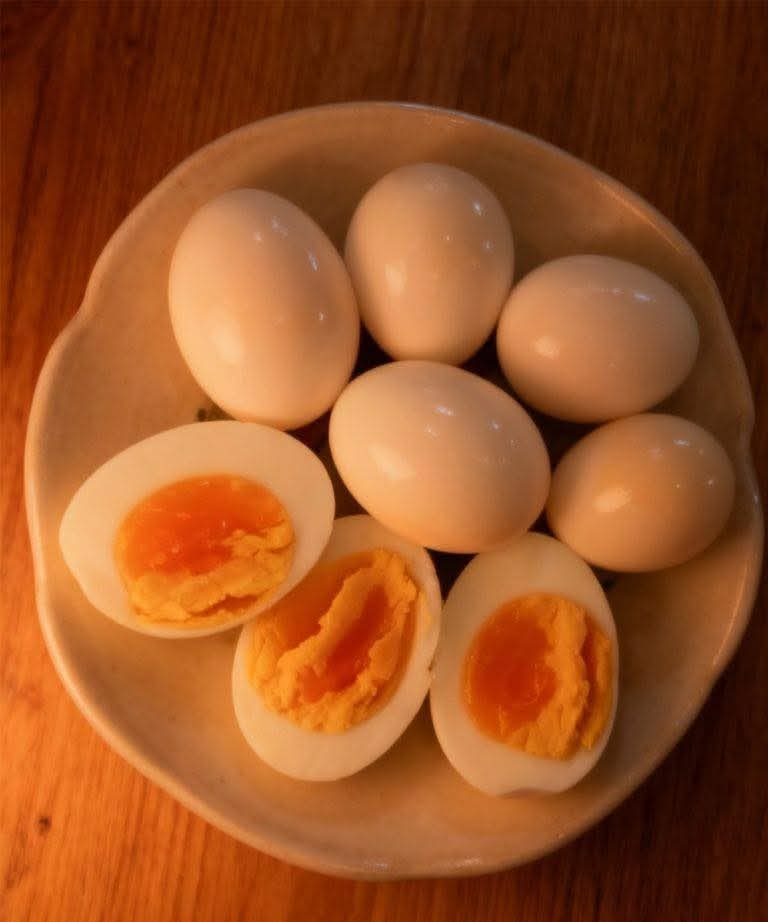
Sure! Here’s a detailed recipe for Boiled Eggs with all the sections you requested, including an introduction, ingredients, instructions, history, and a conclusion. I’ve also included a fun twist at the end, with “lovers” being a creative angle for how different cultures and people “fall in love” with boiled eggs!
Recipe: Perfect Boiled Eggs
Introduction
Boiled eggs are a versatile and nutrient-packed snack or meal component that has been a staple in various cultures for centuries. Whether you enjoy them soft-boiled with a runny yolk or hard-boiled with a firm center, eggs offer a simple yet delicious dish that’s packed with protein. Today, we’ll explore the process of making the perfect boiled egg, from the basic recipe to a few tips for achieving that ideal texture.
Ingredients
- 6 large eggs (or more, depending on servings)
- Water (enough to cover the eggs in the pot)
- Salt (optional, to add to the water)
- Ice (for the ice bath)
Instructions
- Prepare the eggs: Place your eggs gently in a single layer in a medium or large pot. If you want to prevent cracking, try letting the eggs come to room temperature before boiling.
- Add water: Pour enough cold water into the pot to cover the eggs by about an inch. You can also add a pinch of salt to the water to prevent cracking, though it’s optional.
- Bring to a boil: Place the pot on the stove over medium-high heat and bring the water to a rolling boil. Once the water starts to boil, reduce the heat to a low simmer and cover the pot with a lid.
- Boil the eggs:
- Soft-boiled: Cook for 4-6 minutes, depending on your desired level of doneness. The yolk will be runny but firm enough to hold its shape.
- Medium-boiled: Cook for 7-9 minutes for a slightly firmer yolk with some creaminess.
- Hard-boiled: Cook for 10-12 minutes for a fully set yolk.
- Cool the eggs: Once the eggs have reached your desired doneness, immediately remove them from the boiling water and transfer them to an ice bath. The ice bath will stop the cooking process and make peeling easier.
- Peel and serve: After the eggs have cooled for about 5 minutes, gently tap them on a hard surface to crack the shell, then peel them under running water. Serve as is, or season with a pinch of salt, pepper, or your favorite spices.
Methods and Techniques
- Cooking Time Accuracy: The key to perfect boiled eggs lies in the timing. Different stoves and pot sizes may require slightly different cooking times, so it’s a good idea to experiment to find your perfect texture.
- Ice Bath Trick: An ice bath isn’t just for cooling the eggs; it also helps separate the membrane from the shell, making peeling much easier.
- Peeling Tips: If you’re struggling with peeling, use eggs that are a few days old. Fresh eggs are harder to peel, while older eggs tend to peel more easily.
History of Boiled Eggs
Boiled eggs date back to ancient civilizations, with evidence that they were consumed as early as the Roman Empire. The method of boiling eggs likely evolved as people discovered the benefits of cooking eggs to preserve them for longer periods and make them more versatile. Over time, different cultures developed unique ways to prepare boiled eggs—often as a breakfast food, snack, or part of a larger meal.
For example, in Asia, boiled eggs are frequently added to ramen or served as a part of a larger dish with rice and vegetables. In Western cultures, they might be found as a protein addition to salads, in deviled egg form, or even as an accompaniment to toast.
Formation: How the Boiled Egg Came to Be
The concept of boiling eggs as a way to prepare them for eating likely arose independently across various cultures. Before modern refrigeration, cooking eggs was one of the most effective ways to extend their shelf life. Over time, cooking methods improved, and people started experimenting with different boiling times to achieve the ideal texture. Some preferred their eggs with a soft, gooey yolk, while others favored a fully cooked, hard yolk.
Conclusion: The Boiled Egg Lovers
The boiled egg has become a symbol of simplicity and nutritional value. People from all walks of life—from busy professionals to health-conscious athletes—appreciate its convenience and versatility. Whether you are enjoying a soft-boiled egg in a ramen bowl or using hard-boiled eggs for a salad or snack, there’s no denying the widespread love for this humble dish.
Some “lovers” of the boiled egg include:
- Breakfast Enthusiasts: Boiled eggs are often enjoyed as a quick, protein-packed breakfast. Paired with avocado or toast, they offer a satisfying start to the day.
- Fitness Buffs: Boiled eggs are a go-to for athletes looking to increase their protein intake, making them a staple in meal prep.
- Culinary Adventurers: From Asian ramen bowls to Mediterranean salads, boiled eggs make their way into cuisines across the globe, and food lovers continue to find new ways to enjoy them.
- Nostalgic Home Cooks: For many, boiled eggs remind them of home-cooked meals and family gatherings, bringing a sense of comfort and tradition to the table.
In conclusion, boiled eggs have stood the test of time as a beloved and timeless food, enjoyed by millions around the world for their convenience, flavor, and nutritional benefits. Whether served simply or dressed up in creative dishes, they continue to be a food that connects people across cultures, regions, and time periods.
Lovers’ Special Twist: Deviled Eggs
For those who are truly in love with boiled eggs, why not elevate them to the next level? Deviled eggs are a popular party favorite, made by mixing the yolk with mayonnaise, mustard, and spices, then piping it back into the egg whites. It’s a great way to turn your boiled eggs into a show-stopping appetizer!
Let me know if you’d like to expand on any of these sections or explore other recipes related to boiled eggs!