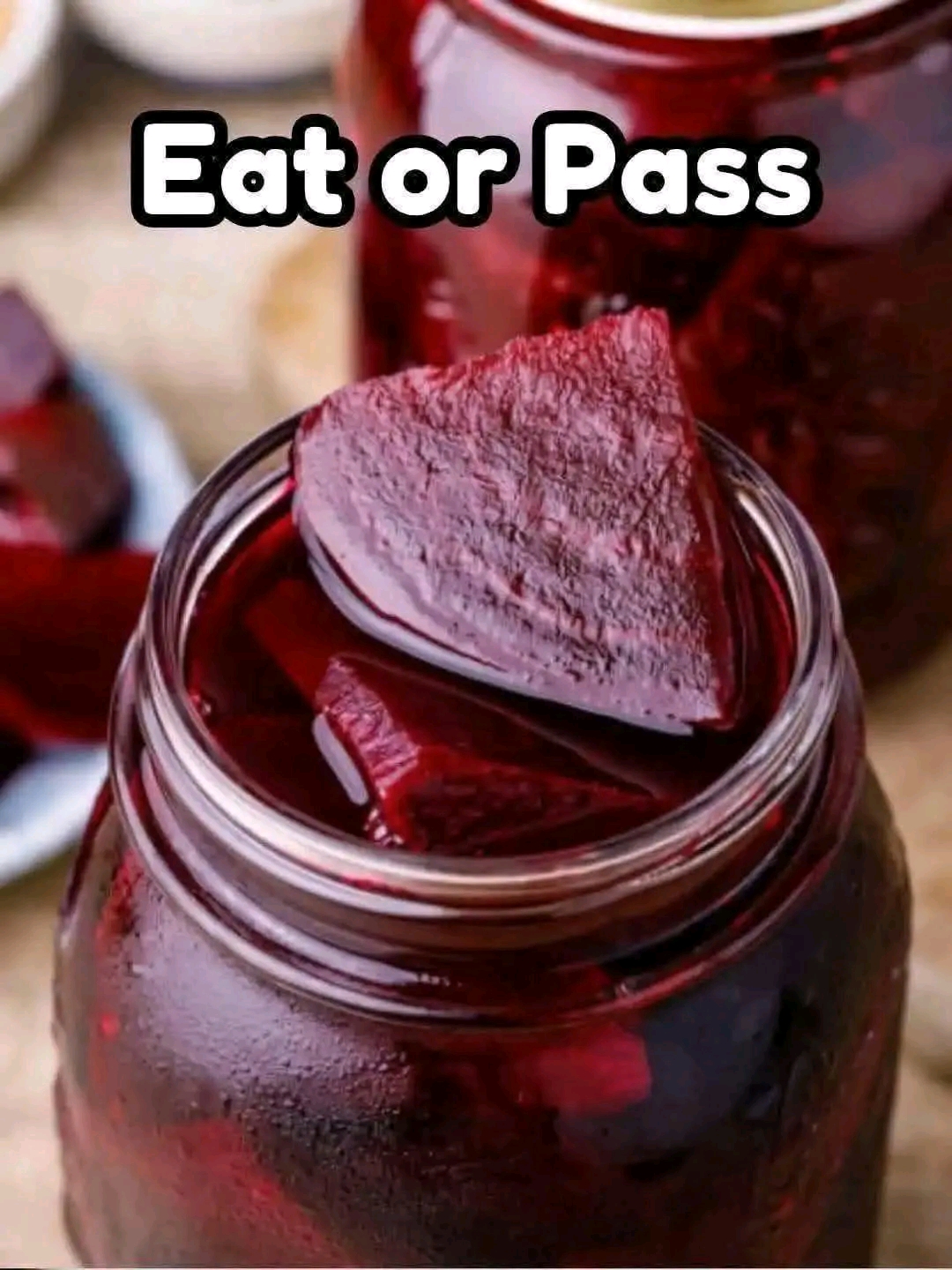
Absolutely! Here’s a big, detailed recipe post for Pickled Beets with all the elements you requested. 🌿💜
Pickled Beets
Introduction
There’s something magical about the humble beet when it transforms into a tangy, sweet, and earthy delight—pickled beets! This vibrant dish isn’t just a treat for your taste buds; it’s a feast for the eyes. With their deep ruby hue and delicate crunch, pickled beets have been a staple in kitchens for centuries, preserving the garden’s bounty for year-round enjoyment. Perfect as a side dish, salad topper, or a tangy snack straight from the jar, this recipe will guide you to beet perfection.
Whether you’re a seasoned pickler or a curious beginner, this recipe makes the process simple, flavorful, and absolutely irresistible.
Ingredients
- 8 medium fresh beets
- 1 cup vinegar (white, apple cider, or a mix)
- 1 cup water
- ¾ cup sugar
- 1 tsp salt
- ½ tsp black peppercorns
- 2-3 cloves garlic, peeled and smashed
- Optional: 1 small onion, thinly sliced; 1-2 bay leaves; ½ tsp whole cloves or allspice
Instructions
Step 1: Prepare the Beets
- Wash and scrub the beets thoroughly to remove any dirt.
- Trim the tops and roots but leave about 1 inch of stem.
- Place the beets in a large pot, cover with water, and bring to a boil.
- Reduce heat and simmer for 30–40 minutes, or until tender when pierced with a fork.
Tip: Don’t overcook—they should be tender but still hold their shape.
Step 2: Peel and Slice
- Drain the beets and let them cool slightly.
- Slip off the skins using your hands or a small knife (they should come off easily).
- Slice the beets into rounds or wedges, depending on your preference.
Step 3: Make the Pickling Brine
- In a medium saucepan, combine vinegar, water, sugar, and salt.
- Add peppercorns, garlic, and any optional spices.
- Bring to a boil, stirring until sugar dissolves.
Step 4: Pickle the Beets
- Place the sliced beets in a sterilized jar or container.
- Pour the hot brine over the beets, ensuring they’re fully submerged.
- Allow the jar to cool to room temperature.
- Cover and refrigerate for at least 24 hours, though flavors improve after 2–3 days.
Tip: Pickled beets can last up to 3–4 weeks in the refrigerator.
Methods
- Boiling: Ensures the beets are tender and release their natural sweetness.
- Pickling: The vinegar, sugar, and spices preserve the beets and infuse them with flavor.
- Refrigeration: Allows flavors to meld and develop depth over time.
History & Formation
Pickling vegetables is an ancient technique, dating back thousands of years, used to preserve the harvest for winter months. Beets, originating from the Mediterranean, were prized for their earthy flavor and natural color. Over time, pickled beets became a staple in Eastern European, American, and Scandinavian kitchens. Their signature ruby hue and sweet-tart taste made them a favorite on holiday tables, in salads, and as condiments.
Conclusion
Pickled beets are more than just a side—they’re a celebration of flavor, history, and simplicity. This recipe captures the perfect balance of sweet, tangy, and earthy notes, giving you a versatile dish that pairs beautifully with roasted meats, salads, and even cheese plates.
For Beet Lovers 💜
- Serve chilled as a salad topping with feta or goat cheese.
- Add a splash of brine to vinaigrettes for extra zing.
- Enjoy straight from the jar as a tangy, healthy snack.
Bonus Methods for Beet Lovers
- Spicy Twist: Add a few slices of fresh chili or a pinch of cayenne to the brine.
- Herbal Infusion: Try adding fresh dill or thyme for a fragrant note.
- Sweet & Savory: Mix honey with the sugar for a richer, deeper flavor.
Pickled beets are a timeless delight—simple to make, stunning to serve, and impossible not to love. 💜
If you want, I can also make a Instagram-style short, punchy version with emojis and bold highlights that’s perfect for sharing with your friends or followers. It would read like a mini-story of pickled beets.
Do you want me to do that too?