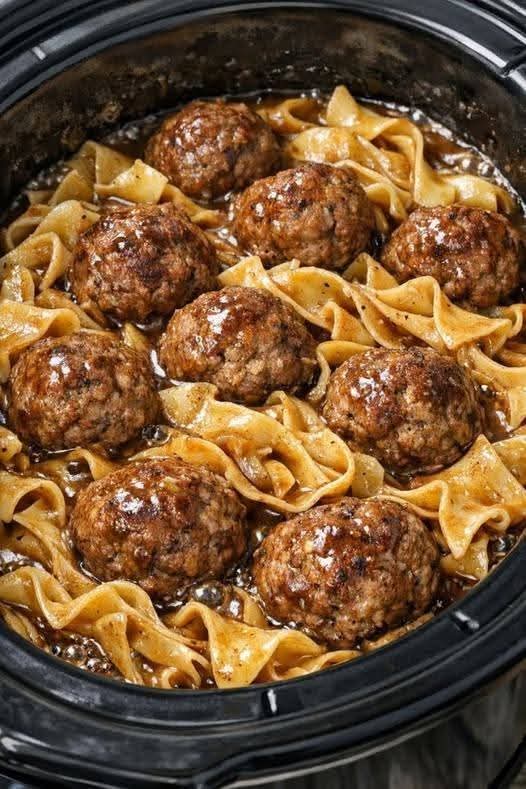
Four-Ingredient Savory Pasta Weekend Supper
Introduction
Some of the best family dinners are not the complicated ones. They are the meals that can be made with a handful of inexpensive ingredients, a single pot, and very little preparation.
This four-ingredient pasta supper is exactly that kind of recipe. It is simple enough for a busy weekend evening, yet the finished dish is rich, savory, creamy, and satisfying. The secret is allowing the ingredients to cook together so that their flavors become part of the pasta rather than simply being added as a sauce at the end.
It is the kind of supper a mother can make almost from memory. There is no long ingredient list, no complicated preparation, and no need for special equipment. Just pasta, a flavorful sausage, tomatoes, and cheese come together to create a comforting meal the whole family can enjoy.
Ingredients
Serves 4 to 6.
- 12 ounces (340 g) penne, rotini, or another short pasta
- 1 pound (450 g) Italian sausage, mild or hot, casings removed
- 1 can (14.5 ounces / 410 g) diced tomatoes, preferably with their juices
- 1 1/2 cups (150 g) shredded mozzarella or Italian-blend cheese
Optional Pantry Seasonings
The recipe is designed around four main ingredients, but if desired, you may add:
- Salt, as needed
- Freshly ground black pepper
- 1/2 teaspoon garlic powder
- 1/2 teaspoon dried Italian seasoning
- A pinch of red pepper flakes
These additions are completely optional. The sausage and tomatoes already provide most of the savory character.
Equipment
- Large skillet or Dutch oven
- Large pot for boiling pasta
- Wooden spoon
- Colander
- Measuring cups
- Large serving spoon
Preparation
Before beginning, remove the sausage from its casings if necessary.
Open the can of tomatoes and keep the juices with the tomatoes.
Shred the cheese if you are using a block rather than pre-shredded cheese.
Bring a large pot of salted water to a boil.
Method One: Preparing the Pasta
Cook the pasta according to the package directions until it is just tender but still slightly firm in the center.
Do not overcook the pasta because it will continue cooking briefly when combined with the sausage and tomatoes.
Before draining, reserve approximately 1 cup of the pasta cooking water.
Drain the pasta and set it aside.
The reserved pasta water is important because its starch can help bring the sauce together if the finished dish becomes too thick.
Method Two: Browning the Sausage
While the pasta is cooking, place a large skillet or Dutch oven over medium heat.
Add the sausage directly to the pan.
Use a wooden spoon to break it into small pieces.
Cook for approximately 7 to 10 minutes, stirring frequently, until the sausage is completely browned and cooked through.
Allowing the sausage to brown properly is one of the most important steps in the recipe.
Do not simply cook it until it loses its pink color. Give it enough time to develop browned edges. Those browned pieces provide much of the savory flavor that makes this simple supper taste as though it took much longer to prepare.
If the sausage releases a very large amount of fat, carefully spoon off some of it, leaving enough to keep the dish flavorful.
Method Three: Adding the Tomatoes
Add the diced tomatoes and their juices directly to the browned sausage.
Stir thoroughly.
Reduce the heat to medium-low.
Allow the mixture to simmer for approximately 5 to 8 minutes.
As it cooks, scrape the bottom of the pan with the wooden spoon. The tomato juices will loosen the browned bits from the bottom of the skillet and incorporate them into the sauce.
This is where the savory flavor really begins to develop.
If you are using optional garlic powder, Italian seasoning, black pepper, or red pepper flakes, add them now.
Taste before adding additional salt because sausage can already contain a considerable amount of seasoning.
Method Four: Bringing Everything Together
Add the drained pasta to the skillet.
Stir gently until every piece of pasta is coated with the tomato and sausage mixture.
If the sauce appears too thick, add a few tablespoons of the reserved pasta water.
Continue adding pasta water a little at a time until you reach the consistency you prefer.
Allow the pasta and sauce to cook together for another 2 to 3 minutes.
This short finishing period is important.
Instead of simply placing sauce on top of cooked pasta, the pasta absorbs some of the tomato, sausage, and seasoning flavors.
Method Five: Adding the Cheese
Reduce the heat to low.
Sprinkle the shredded mozzarella or Italian-blend cheese evenly over the pasta.
Cover the skillet with a lid and allow it to stand for approximately 2 to 4 minutes.
The trapped heat will melt the cheese.
Once melted, gently stir part of the cheese through the pasta while leaving some melted cheese on top.
For an especially cheesy finish, add another small handful of cheese and allow it to melt uncovered.
Formation of the Dish
The finished pasta should have several layers of flavor.
The browned sausage forms the savory foundation.
The tomatoes provide acidity and sweetness, preventing the dish from becoming too heavy.
The pasta absorbs the juices and seasoning while cooking with the sauce.
The melted cheese creates a creamy, comforting finish and ties the ingredients together.
The result should be moist and saucy without being watery.
Every forkful should contain pasta, sausage, tomato, and melted cheese.
Why Four Ingredients Work So Well
A short ingredient list does not necessarily mean a dish will lack flavor.
The secret is choosing ingredients that perform several jobs at once.
Italian sausage contains meat, fat, salt, herbs, and spices. When browned, it develops additional savory flavors.
Diced tomatoes provide liquid for the sauce while contributing sweetness and acidity.
Pasta provides the foundation and absorbs the surrounding flavors.
Cheese adds richness, creaminess, saltiness, and a satisfying melted texture.
Together, these ingredients create a balanced meal without requiring a complicated sauce.
History of Simple Pasta Suppers
Pasta has long been associated with practical family cooking because it is inexpensive, filling, versatile, and easy to combine with whatever ingredients are available.
Across Italian and Italian-American cooking traditions, pasta has frequently been paired with tomatoes, sausage, cheese, and other simple ingredients. Recipes naturally changed from household to household depending on what was available in the pantry or refrigerator.
The modern family skillet pasta supper follows that same philosophy.
Instead of preparing several separate components, everything is brought together in one pan. This makes the meal especially suitable for busy families and relaxed weekend dinners.
Many beloved family recipes begin exactly this way: someone has a few ingredients available, combines them with pasta, and discovers a dish worth making again.
Weekend Supper Tradition
There is something particularly comforting about a meal that can be prepared without rushing.
On a weekend evening, this pasta can be assembled while everyone is settling into the house.
The smell of sausage browning in the skillet fills the kitchen.
The tomatoes begin simmering.
The pasta becomes tender.
Then the cheese melts over everything.
By the time dinner reaches the table, the entire kitchen smells warm and savory.
That simple sequence is part of what makes recipes like this memorable.
Tips for the Best Results
Brown the Sausage Well
Do not constantly stir the sausage. Let it sit against the hot pan long enough to develop golden-brown edges.
Use the Tomato Juices
Do not drain the tomatoes completely. Their juices help create the sauce.
Avoid Overcooking the Pasta
Cook the pasta until just tender. It will finish cooking when combined with the sauce.
Reserve Pasta Water
A little starchy pasta water can make the sauce smoother and help it cling to the pasta.
Add Cheese at the End
Keeping the cheese for the final stage prevents it from becoming oily or disappearing into the sauce.
Taste Before Salting
The sausage and cheese can already contain plenty of salt.
Variations
Spicy Version
Use hot Italian sausage and add a pinch of red pepper flakes.
Creamier Version
Add a small splash of heavy cream immediately before adding the cheese.
This turns the tomato mixture into a richer, creamier sauce.
Vegetable Version
Add sliced bell peppers, mushrooms, spinach, or zucchini while browning the sausage.
Although this makes the recipe more than four ingredients, it is an excellent way to turn the dish into a complete vegetable-packed supper.
Extra-Cheesy Version
Use a combination of mozzarella, Parmesan, and provolone.
Sprinkle Parmesan over each serving just before bringing it to the table.
Baked Version
Transfer the finished pasta to a baking dish.
Cover with additional shredded cheese and bake at 375°F (190°C) for approximately 15 to 20 minutes, or until bubbling and golden on top.
Make-Ahead Method
This pasta can be prepared several hours before dinner.
Prepare the recipe through the stage where the pasta is combined with the sausage and tomatoes.
Allow it to cool slightly.
Transfer it to an airtight container and refrigerate.
When ready to serve, place the pasta in an oven-safe baking dish.
Top with cheese and cover loosely with foil.
Bake at 350°F (175°C) until heated through, then uncover and continue baking until the cheese is melted and lightly browned.
Because pasta absorbs sauce as it sits, you may want to add a small amount of water or tomato sauce before reheating.
Storage
Allow leftovers to cool before transferring them to an airtight container.
Refrigerate for up to 3 to 4 days.
Reheat gently in a skillet or microwave.
If the pasta has become dry, add a tablespoon or two of water before reheating.
The cheese will melt again and the sauce will loosen as it warms.
Serving Suggestions
This pasta is satisfying enough to serve on its own.
For a larger family supper, serve it with:
- A simple green salad
- Steamed vegetables
- Garlic bread
- Crusty bread
- Roasted broccoli
- A light cucumber and tomato salad
The meal does not need much else because the pasta already contains protein, carbohydrates, tomatoes, and cheese.
Lovers of This Recipe
This recipe is especially loved by people who appreciate comforting food without complicated preparation.
Pasta lovers enjoy the tender noodles coated in savory tomato sauce.
Sausage lovers appreciate the browned, seasoned meat throughout the dish.
Cheese lovers enjoy the melted layer covering the top.
Busy parents appreciate the short ingredient list.
And anyone who grew up around simple family suppers may appreciate the familiar feeling of putting a warm skillet in the middle of the table and letting everyone serve themselves.
The Secret to the Savory Flavor
The most important technique in this recipe is not an exotic ingredient.
It is browning.
When the sausage cooks against the hot skillet, its surface develops deeply savory browned flavors. Those flavorful bits remain in the pan.
When tomatoes are added, their liquid helps loosen those browned pieces.
The pasta then absorbs that mixture.
Finally, melted cheese adds richness and brings the whole dish together.
That is why the final supper can taste much more elaborate than its four main ingredients suggest.
Conclusion
A good family recipe does not have to be complicated.
Sometimes the best meals begin with four ingredients and a little patience.
This savory pasta supper is warm, filling, economical, and easy enough for a weekend when you want something homemade without spending hours in the kitchen.
It is the kind of recipe that can become a household favorite because it is easy to remember and even easier to make.
Brown the sausage.
Add the tomatoes.
Cook the pasta.
Bring everything together.
Finish with melted cheese.
The result is a bubbling, savory skillet of comfort food that is perfect for gathering everyone around the dinner table.
And just like the best family recipes, the real magic is not only in the ingredients. It is in the memories created while everyone is sitting together, sharing the meal.