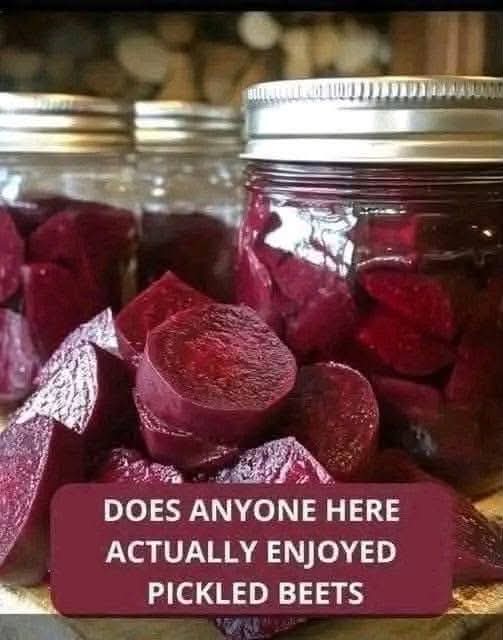
Red Pickled Beets
Introduction
Red pickled beets are one of those classic homemade foods that can completely change your opinion of beets. Their beautiful deep-red color, tender texture, and combination of sweet, tangy, and slightly spiced flavors make them wonderful as a side dish, snack, or addition to salads and sandwiches.
This recipe is especially beginner-friendly because it uses simple ingredients and straightforward preparation. The beets are cooked until tender, peeled, sliced, and then covered with a flavorful pickling liquid made from vinegar, sugar, water, and warm spices. After chilling, the flavors blend together beautifully.
Ingredients
For the Beets
- 2 pounds fresh red beets
- 1 teaspoon salt for the cooking water
- Cold water, as needed
For the Pickling Liquid
- 1 cup white vinegar
- 1/2 cup water
- 1/2 cup granulated sugar
- 1 teaspoon salt
- 1 teaspoon whole black peppercorns
- 1/2 teaspoon whole cloves
- 1 teaspoon mustard seeds
- 1 small cinnamon stick
- 2 to 3 whole allspice berries, optional
- 1 small bay leaf, optional
Optional Additions
- 1 small red onion, thinly sliced
- 1 teaspoon grated fresh ginger
- A pinch of red pepper flakes for a little heat
Instructions
Step 1: Prepare the Beets
Wash the beets thoroughly under cool running water, removing any dirt from the surface. Trim the leafy tops, leaving a small portion of the stems attached.
Do not peel the beets before cooking. Keeping the skin on helps preserve their color and prevents them from becoming waterlogged.
Place the beets in a large saucepan or pot and cover them with water. Add the salt.
Bring the water to a boil, then reduce the heat and gently simmer until the beets are tender when pierced with a knife or fork. Depending on their size, this can take approximately 30 to 50 minutes.
Step 2: Cool and Peel
Drain the cooked beets and allow them to cool until they are comfortable enough to handle.
Rub the skins away using your fingers or a paper towel. The skins should come off easily once the beets are properly cooked.
Cut away the remaining tops and roots, then slice the beets into rounds or wedges.
For a beautiful presentation, try to keep the slices relatively even in thickness.
Step 3: Make the Pickling Liquid
In a saucepan, combine:
- White vinegar
- Water
- Sugar
- Salt
- Black peppercorns
- Cloves
- Mustard seeds
- Cinnamon stick
- Allspice, if using
- Bay leaf, if using
Bring the mixture to a gentle simmer over medium heat.
Stir until the sugar and salt have completely dissolved. Allow the mixture to simmer for about 3 to 5 minutes so the spices can release their flavors.
Do not boil the mixture aggressively for a long time. A gentle simmer is enough.
Step 4: Combine the Beets and Pickling Liquid
Place the sliced beets into a clean heatproof container or jar.
If you are using sliced red onion, layer some of the onion between the beet slices.
Carefully pour the warm pickling liquid over the beets, making sure they are well covered.
Allow the mixture to cool at room temperature for a short time.
Step 5: Refrigerate
Once the beets have cooled, cover the container and place it in the refrigerator.
For the best flavor, allow the beets to pickle for at least 12 hours. They become even more flavorful after 24 to 48 hours as the vinegar and spices penetrate the beets.
Method
The basic method is simple:
Cook → Cool → Peel → Slice → Prepare the pickling liquid → Combine → Refrigerate → Serve.
The key to excellent pickled beets is allowing enough time for the flavors to develop. Although they can be enjoyed relatively quickly, resting them overnight produces a much deeper sweet-and-tangy flavor.
The History of Pickled Beets
Pickling is one of the oldest methods of preserving food. Before modern refrigeration and convenient grocery stores, people relied on techniques such as drying, salting, fermenting, and pickling to extend the life of seasonal produce.
Beets were particularly well suited to preservation because they could be harvested, cooked, and stored with vinegar and spices. Pickled beets became especially popular in European and North American home cooking, where families developed their own combinations of vinegar, sugar, spices, and vegetables.
Recipes varied from household to household. Some were very sour, while others contained more sugar and had a distinctly sweet flavor. Many families also added onions, cinnamon, cloves, mustard seeds, or other spices.
That tradition is part of what makes homemade pickled beets so special: there is plenty of room to adjust the recipe to suit your family’s taste.
Formation and Flavor
The flavor of these pickled beets comes from the balance between several ingredients.
The vinegar provides the characteristic sharp, tangy flavor.
The sugar softens the acidity and brings out the natural sweetness of the beets.
The salt helps balance the overall flavor.
The spices add warmth and complexity.
The beets provide their naturally earthy sweetness and unmistakable color.
As the beets sit in the pickling liquid, the flavors gradually penetrate the slices, creating a delicious balance of sweet, sour, earthy, and lightly spiced notes.
Helpful Tips for Beginners
Choose smaller or medium-sized beets. They tend to cook more evenly and are often more tender.
Don’t overcook them. The beets should be tender enough to pierce easily but should still hold their shape.
Wear gloves when peeling. Beet juice can temporarily stain your hands.
Use a glass container. The intense beet color can stain some plastic containers.
Let them rest overnight. This is one of the easiest ways to improve the flavor.
Adjust the sweetness. If you prefer sweeter pickled beets, add a little more sugar. For a sharper pickle, slightly reduce the sugar.
Keep them refrigerated. This recipe is intended as a refrigerator pickle rather than a shelf-stable canning recipe.
Serving Ideas
Red pickled beets are delicious served alongside roasted meats, grilled chicken, sandwiches, burgers, or simple vegetable dishes.
They can also be:
- Added to green salads
- Served with goat cheese or feta
- Chopped into potato salads
- Added to grain bowls
- Served as part of a cold appetizer platter
- Enjoyed straight from the refrigerator as a snack
Their bright color also makes them an attractive addition to a holiday or family dinner table.
Storage
Store the finished pickled beets in a clean, covered container in the refrigerator. Keep the beets submerged in their pickling liquid.
For the best quality, enjoy them within several weeks and always use clean utensils when removing portions from the container.
If you want a shelf-stable version for long-term pantry storage, use a tested water-bath canning recipe specifically designed for pickled beets rather than simply storing this refrigerator recipe at room temperature.
Conclusion
These homemade red pickled beets are proof that a simple vegetable can become something truly special. The tender beets absorb the sweet and tangy pickling liquid while the warm spices add another layer of flavor.
Whether you grew up loving pickled beets or, like many people, never thought they were particularly exciting, this easy recipe is worth trying. It is inexpensive, colorful, beginner-friendly, and perfect for preparing ahead of time.
Once you make a jar, don’t be surprised if you find yourself opening the refrigerator and sneaking just one more slice.
And if you love classic homemade recipes like this, say something in the comments so you can keep receiving more recipes. Thank you!