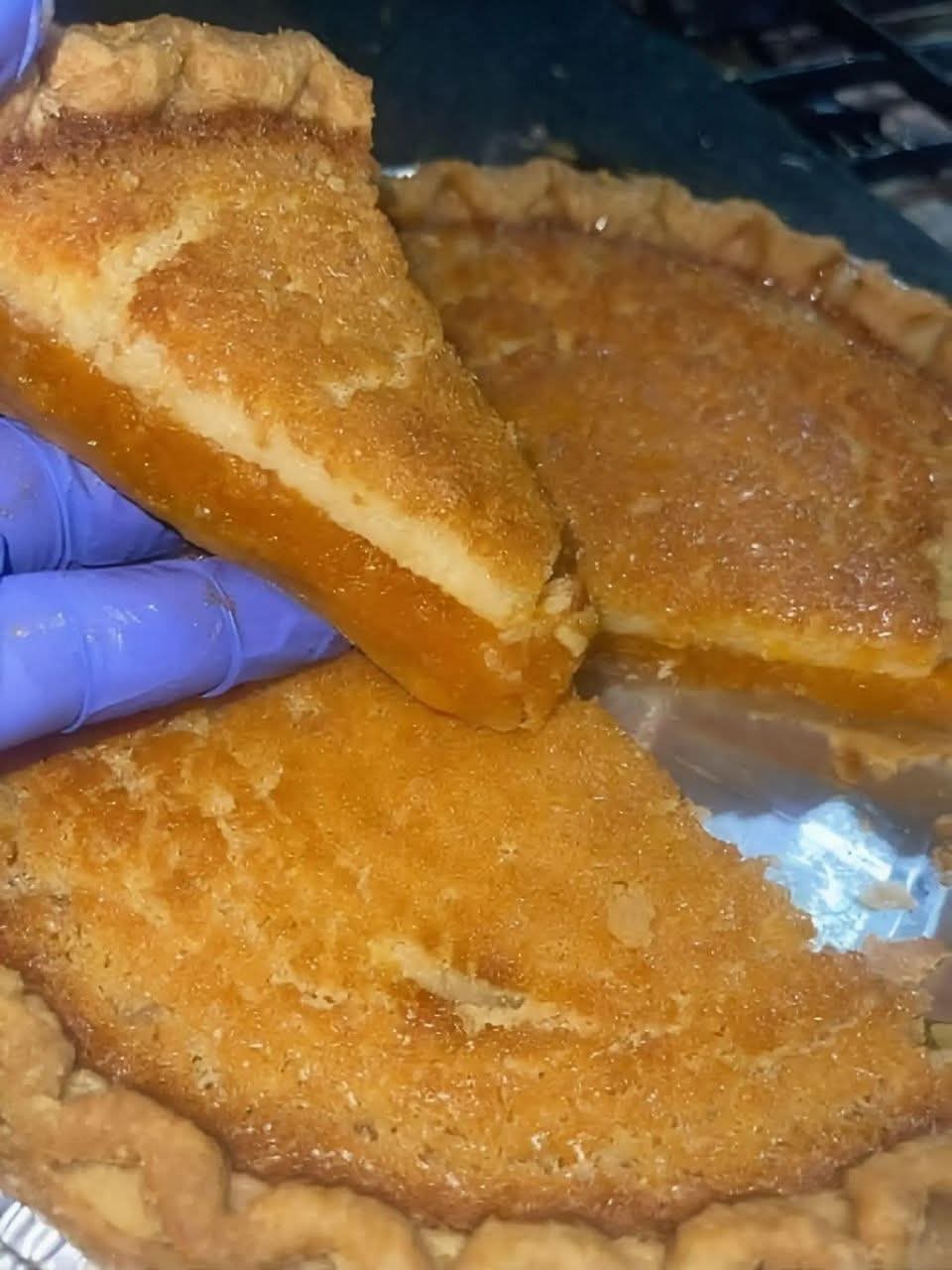
Christmas Cranberry Bliss Cake
Introduction
There are some Christmas recipes that simply belong to the holiday season, and this is one of them. It is the kind of dessert that fills the kitchen with the warm aroma of butter, vanilla, cinnamon, and sweet fruit while it bakes. Every year, I make it for Christmas, and every year I learn the same lesson: if I want any left for Christmas Day, I have to make it late at night and hide it from everyone.
This Christmas cake is wonderfully moist, rich, and tender, with sweet dried fruit, crunchy nuts, warm holiday spices, and a delicate vanilla glaze. It is simple enough to prepare at home but special enough to become the centerpiece of a Christmas dessert table.
The recipe is especially good when made a day ahead because the flavors have time to develop and the cake becomes even more moist and flavorful.
Ingredients
For the Cake
- 2 1/2 cups all-purpose flour
- 2 teaspoons baking powder
- 1/2 teaspoon baking soda
- 1/2 teaspoon salt
- 1 teaspoon ground cinnamon
- 1/2 teaspoon ground nutmeg
- 1/4 teaspoon ground cloves
- 1 cup unsalted butter, softened
- 1 1/4 cups granulated sugar
- 1/2 cup light brown sugar, packed
- 4 large eggs, room temperature
- 2 teaspoons pure vanilla extract
- 1 cup sour cream
- 1/2 cup whole milk
- 1 cup dried cranberries
- 1 cup raisins
- 3/4 cup chopped pecans or walnuts
- 1/2 cup chopped candied cherries
- 1 tablespoon orange zest
For the Orange Vanilla Glaze
- 1 1/2 cups powdered sugar
- 2 tablespoons fresh orange juice
- 1 tablespoon melted butter
- 1 teaspoon vanilla extract
- 1 to 2 tablespoons milk, as needed
For the Topping
- 1/3 cup chopped pecans
- 1/3 cup dried cranberries
- 1/4 cup candied cherries
- A little orange zest
- Optional powdered sugar for dusting
Preparation
Begin by preparing the dried fruit and nuts. If your raisins or cranberries are particularly dry, place them in a small bowl and cover them with a little warm orange juice. Let them sit for approximately 10 minutes, then drain them well. This small step helps keep the fruit soft and juicy inside the cake.
Preheat the oven to 350°F, or 175°C. Grease a 10-inch Bundt pan thoroughly with butter or baking spray, making sure to reach all of the grooves. Lightly dust the pan with flour and shake out the excess.
In a medium bowl, whisk together the flour, baking powder, baking soda, salt, cinnamon, nutmeg, and cloves. Set the dry ingredients aside.
In a large mixing bowl, beat the softened butter, granulated sugar, and brown sugar until light and fluffy. This usually takes about 3 to 5 minutes. Properly creaming the butter and sugar is important because it helps create a lighter texture.
Add the eggs one at a time, beating well after each addition. Scrape down the sides of the bowl as needed. Add the vanilla extract and orange zest.
In a separate bowl, combine the sour cream and milk.
Add about one-third of the dry ingredients to the butter mixture and mix gently. Add half of the sour cream mixture, followed by another third of the dry ingredients. Continue alternating until everything is incorporated.
Do not overmix the batter. Stop mixing as soon as the flour disappears.
Fold in the dried cranberries, raisins, candied cherries, and chopped nuts using a spatula. Make sure the fruit and nuts are distributed evenly throughout the batter.
Baking Method
Pour the batter into the prepared Bundt pan and smooth the top with a spatula.
Tap the pan gently against the countertop once or twice to remove large air pockets.
Place the cake in the preheated oven and bake for approximately 50 to 65 minutes. Baking time will vary depending on your oven and the size and shape of your pan.
Begin checking the cake around the 50-minute mark. Insert a wooden skewer or toothpick into the thickest part of the cake. It should come out clean or with a few moist crumbs attached.
Remove the cake from the oven and allow it to cool in the pan for about 15 minutes. Carefully turn it onto a wire rack and allow it to cool completely.
Making the Glaze
While the cake cools, prepare the glaze.
Place the powdered sugar in a bowl and add the orange juice, melted butter, and vanilla extract. Whisk until smooth.
If the glaze is too thick, add milk a teaspoon at a time until it reaches a thick but pourable consistency.
If you prefer a stronger orange flavor, replace some of the milk with additional fresh orange juice.
Forming and Decorating the Cake
Once the cake has completely cooled, place it on a serving plate.
Slowly drizzle the orange vanilla glaze over the top, allowing it to run naturally down the sides of the cake.
Immediately sprinkle the top with chopped pecans, dried cranberries, candied cherries, and a little fresh orange zest.
For a more traditional Christmas appearance, finish with a very light dusting of powdered sugar.
Allow the glaze to set for about 20 to 30 minutes before slicing.
The History Behind Christmas Fruit Cakes
Fruit-filled Christmas cakes have a long history in European holiday baking. Cakes containing dried fruits, nuts, spices, and sweeteners became especially popular because these ingredients could be stored for long periods and were considered festive and valuable.
Traditional Christmas fruit cakes evolved in many different forms. Some were dense and heavily soaked with spirits, while others were lighter cakes served fresh during the holiday season.
The combination of dried fruit, nuts, citrus, and warm spices became strongly associated with Christmas because these flavors were often reserved for special occasions.
This recipe takes inspiration from that tradition while creating a softer, more approachable cake that can be prepared without the lengthy aging process associated with some traditional fruit cakes.
How to Make It Extra Moist
For the best texture, use room-temperature ingredients.
Do not overmix the batter after adding the flour because excessive mixing can develop gluten and make the cake tougher.
The sour cream is particularly important because it adds richness and moisture without making the cake overly heavy.
Do not overbake the cake. A few moist crumbs on the testing skewer are preferable to a completely dry skewer.
Allowing the finished cake to rest overnight is another excellent way to improve the flavor. Wrap the cooled cake tightly and keep it at room temperature if your kitchen is cool, or refrigerate it if necessary.
Bring it back to room temperature before serving.
Serving Suggestions
This cake is delicious on its own, but it can also be served with:
- Whipped cream
- Vanilla ice cream
- Custard sauce
- Orange cream
- A drizzle of warm caramel sauce
- Fresh berries
- A cup of coffee
- Black tea
- Hot chocolate
For Christmas morning, serve thin slices alongside coffee or tea. For Christmas dinner, serve slightly larger slices with vanilla ice cream or warm custard.
Storage
Keep the finished cake covered at room temperature for up to 3 days.
For longer storage, refrigerate it in an airtight container for up to 5 days. Allow the cake to come to room temperature before serving for the best texture and flavor.
The cake can also be frozen before glazing. Wrap it tightly in plastic wrap and then place it in a freezer-safe container or bag. Freeze for up to 2 months.
Thaw overnight in the refrigerator and bring to room temperature before adding the glaze.
Tips for Christmas Success
Use fresh spices for the best holiday flavor.
Toast the pecans before adding them if you want a deeper, richer nutty flavor. Allow them to cool completely before mixing them into the batter.
Do not fill the Bundt pan all the way to the top. Leave enough room for the cake to rise.
Grease every part of the Bundt pan carefully because fruit cakes can stick more easily than plain cakes.
Let the cake cool sufficiently before removing it from the pan. Turning it out while it is extremely hot can cause it to break.
For the prettiest presentation, drizzle the glaze slowly rather than pouring it all in one place.
Conclusion
This Christmas cake is everything a holiday dessert should be: rich without being overwhelmingly heavy, moist without being soggy, fragrant with warm spices, and filled with festive fruit and crunchy nuts.
It is also the kind of recipe that becomes part of family tradition. Make it once, and chances are someone will ask you to make it again the following Christmas.
And if your family has a habit of sneaking slices from the kitchen before the celebration even begins, you may want to take the original advice seriously: make it late at night, let it cool completely, wrap it well, and find a very good hiding place.
Because when a Christmas cake is this good, self-control can be surprisingly difficult.