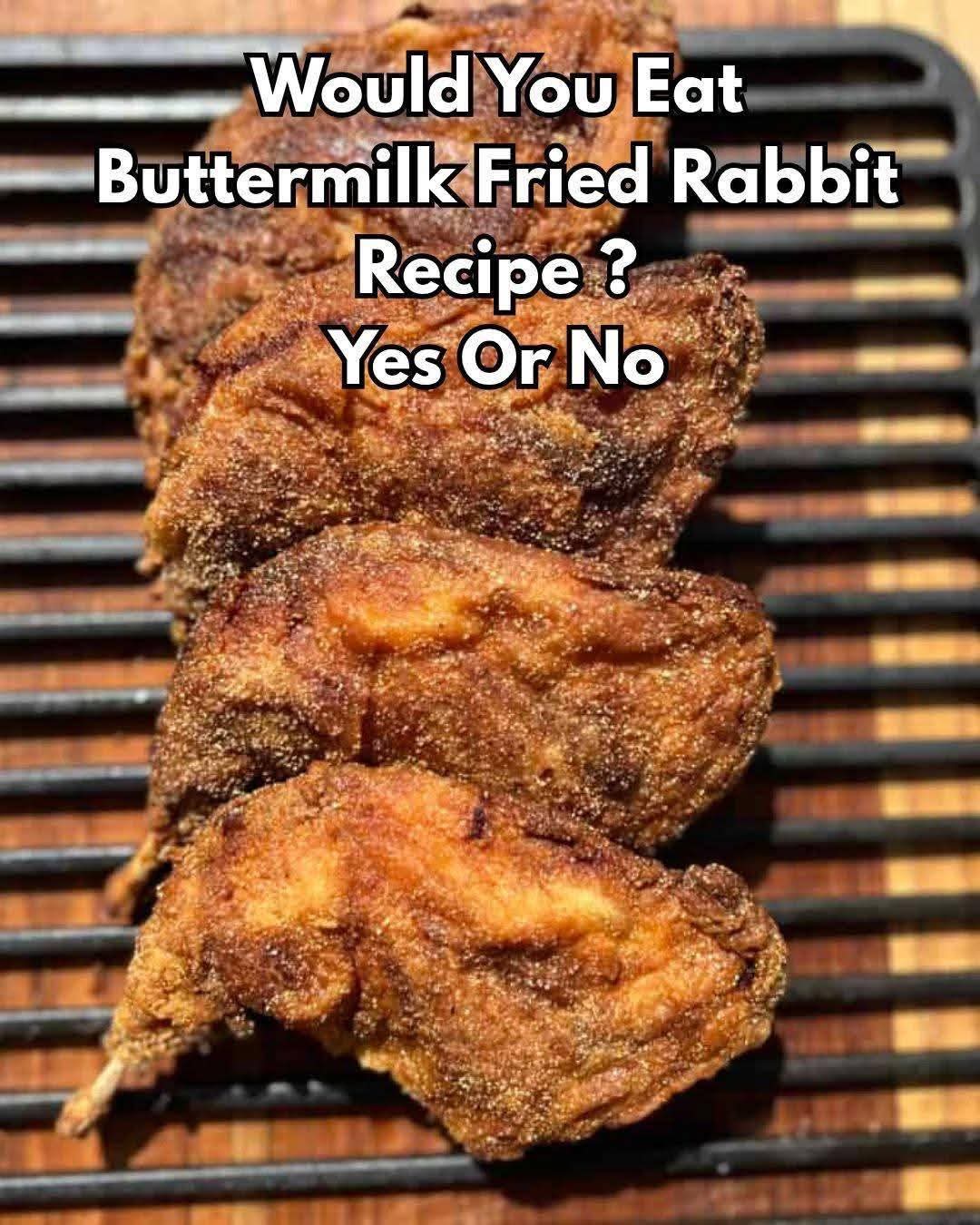
Buttermilk Fried Rabbit Thighs: A Southern Classic Reimagined
—
Introduction
There’s something deeply satisfying about perfectly fried rabbit—crispy, golden-brown exterior giving way to tender, juicy meat that practically falls off the bone. This Buttermilk Fried Rabbit Thighs recipe elevates traditional Southern frying techniques with a tangy buttermilk brine that ensures unparalleled moisture and flavor. Rabbit, often overlooked in modern kitchens, was once a staple of American homesteads and European country cooking. Its mild, slightly sweet flavor—often compared to chicken but more delicate—makes it the perfect canvas for bold seasonings and crispy coatings.
This recipe pays homage to generations of home cooks who understood that the secret to perfect fried meat lies not just in the frying technique, but in the preparation. The buttermilk marinade serves a dual purpose: it tenderizes the meat through gentle acid action while infusing it with subtle tanginess that cuts through the richness of frying. Whether you’re a seasoned cook or trying rabbit for the first time, this recipe will guide you to crispy, succulent perfection that will have everyone asking for seconds.
—
Ingredients
For the Marinade:
· 2 pounds rabbit thighs (or mixed rabbit pieces)
· 2 cups buttermilk (full-fat for best results)
· 1 tablespoon hot sauce (optional, adjust to taste)
· 1 teaspoon salt (divided, use ½ teaspoon for marinade)
· ½ teaspoon black pepper (divided, use ¼ teaspoon for marinade)
For the Dredging Station:
· 1½ cups all-purpose flour
· ½ cup cornstarch (for extra crispiness)
· 1 teaspoon baking powder (creates lighter crust)
· Remaining 1½ teaspoons salt
· Remaining ¾ teaspoon black pepper
· 1 teaspoon paprika (smoked or sweet)
· ½ teaspoon garlic powder
· ½ teaspoon onion powder
· ¼ teaspoon cayenne pepper (optional, for heat)
For Frying:
· Peanut oil or vegetable oil (enough for 2-inch depth in heavy pot)
· Additional salt for finishing
—
Instructions
Step 1: Marinate the Rabbit
In a large bowl or resealable plastic bag, combine the buttermilk, hot sauce (if using), ½ teaspoon salt, and ¼ teaspoon black pepper. Add the rabbit thighs, ensuring they’re fully submerged. Cover and refrigerate for at least 4 hours, but ideally 8-12 hours overnight. This step is non-negotiable—the buttermilk’s enzymes and acids break down proteins, resulting in exceptionally tender meat.
Step 2: Prepare the Dredge
In a shallow dish, whisk together the flour, cornstarch, baking powder, remaining salt, remaining pepper, paprika, garlic powder, onion powder, and cayenne. The cornstarch is the secret to that shatteringly crisp crust, while baking powder promotes even browning.
Step 3: Set Up Your Frying Station
Remove rabbit from marinade, allowing excess to drip off (don’t wipe dry—the wetness helps the coating adhere). Working in batches, dredge each piece thoroughly in the flour mixture, pressing firmly to adhere. Shake off excess and place on a wire rack set over a baking sheet. Let the coated rabbit rest for 15-20 minutes—this allows the coating to hydrate slightly, creating those irresistible craggy bits when fried.
Step 4: Heat the Oil
Pour oil into a heavy-bottomed Dutch oven or cast-iron skillet to a depth of 2 inches. Heat over medium-high until oil reaches 350°F (175°C). Use a deep-fry thermometer for accuracy—temperature control is crucial for crispy, non-greasy results.
Step 5: Fry to Perfection
Carefully add rabbit pieces in single batches (don’t overcrowd—this drops oil temperature). Fry for 8-10 minutes, turning occasionally, until deep golden brown and internal temperature reaches 165°F (74°C). Thighs may take slightly longer than smaller pieces. Drain on a clean wire rack over paper towels (rack prevents sogginess). Sprinkle immediately with finishing salt.
Step 6: Rest and Serve
Allow fried rabbit to rest for 5 minutes before serving—this lets juices redistribute throughout the meat.
—
History of Fried Rabbit
Rabbit has sustained humans for millennia, with archaeological evidence of rabbit consumption dating back to Paleolithic times. The Romans domesticated rabbits for meat, and by the Middle Ages, European monasteries maintained warrens (enclosed rabbit breeding areas) as reliable protein sources. French cuisine elevated rabbit to gastronomic heights with dishes like lapin à la moutarde and civet de lapin.
In America, rabbit became a Depression-era survival food—affordable, easy to raise, and nutritious. Southern cooks, ever resourceful, applied their mastery of frying to rabbit, creating this beloved variation. Buttermilk, a byproduct of butter-making, was a Southern pantry staple; its use as a tenderizing marinade likely evolved from the need to soften older, tougher rabbits from homesteads. The technique spread through community cookbooks and family kitchens, becoming a cherished comfort food that bridges frugality and flavor.
—
Health Benefits
Rabbit meat is remarkably lean and nutrient-dense:
· High Protein, Low Fat: Rabbit contains about 20-25% protein with only 3-5% fat, making it one of the leanest meats available.
· Rich in B Vitamins: Especially B12, which supports nerve function and red blood cell production.
· Mineral Powerhouse: Excellent source of iron, zinc, and phosphorus.
· Low Cholesterol: Significantly lower cholesterol than beef or pork.
· Sustainable Choice: Rabbits convert feed to meat efficiently, with a lower environmental footprint than larger livestock.
Note: Frying adds calories and fat; enjoy as an occasional treat. For a lighter version, consider air-frying or oven-baking after coating.
—
The Science of Perfect Formation
The Buttermilk Magic
Buttermilk contains lactic acid (from fermentation) and proteolytic enzymes that gently break down collagen, the connective tissue that can make meat tough. Unlike acidic marinades that can “cook” meat (like citrus), buttermilk’s mild pH (around 4.5) works slowly over hours, resulting in tenderization without mushiness.
The Crispy Crust Chemistry
The flour-cornstarch blend creates a dual-texture crust: cornstarch produces crispiness by absorbing less oil and promoting dehydration during frying, while flour provides structure. Baking powder releases carbon dioxide when heated, creating tiny air pockets for lighter texture. The resting period after dredging allows the coating to form a starch gel, which adheres better and creates more surface area for browning.
Frying Physics
At 350°F, oil rapidly drives moisture from the coating’s surface, initiating the Maillard reaction—that complex chemical process producing hundreds of flavor compounds. The escaping steam prevents oil from penetrating the meat, while the seasoned crust seals in juices.
—
Nutrition Information (Per Serving, Approximate)
Based on 4 servings, 1 thigh each (without added oil absorption)
Nutrient Amount
Calories 420-480
Protein 32g
Total Fat 22g
Saturated Fat 5g
Carbohydrates 24g
Fiber 1g
Cholesterol 95mg
Sodium 780mg
Iron 15% DV
B12 20% DV
Values vary based on oil absorption and portion size.
—
Who Loves This Dish?
· Southern Food Enthusiasts: Anyone nostalgic for grandmother’s kitchen will find comfort in this traditional preparation.
· Wild Game Cooks: Hunters who appreciate rabbit’s delicate flavor and sustainable sourcing.
· Home Chefs: Those seeking impressive yet approachable dinner-party mains.
· Health-Conscious Meat Eaters: People looking for lean alternatives to chicken or beef.
· Food Adventurers: Curious palates wanting to expand beyond supermarket proteins.
· Budget-Conscious Cooks: Rabbit often costs less than premium cuts while delivering gourmet results.
—
Chef’s Tips & Variations
· Don’t skip the rest period between dredging and frying—this creates a craggier, crispier crust.
· Oil temperature is everything: Too low = greasy, heavy rabbit; too high = burned exterior, raw interior.
· Try a seasoned flour blend: Add dried thyme, oregano, or lemon zest for regional flair.
· Serve with: Creamy coleslaw, buttermilk biscuits, collard greens, or honey-butter drizzle.
· Leftovers: Refrigerate up to 3 days; reheat in oven at 375°F for 10 minutes to restore crispness.
—
Final Words
This Buttermilk Fried Rabbit Thighs recipe is more than a meal—it’s a connection to culinary traditions that span continents and centuries. From European warrens to Southern homesteads, rabbit has nourished families through hard times and celebrations alike. Today, it deserves a revival in our kitchens, not as a novelty, but as a delicious, sustainable protein that responds beautifully to simple, time-honored techniques.
The buttermilk marinade transforms modest rabbit into extraordinary fare, while the crispy, golden coating delivers that irresistible textural contrast we all crave. Whether you serve this at a casual Sunday supper or a festive gathering, you’re offering more than food—you’re sharing a story of resourcefulness, flavor, and the joy of cooking with care.
So heat that oil, gather your ingredients, and prepare to fall in love with rabbit all over again. One crispy, succulent bite, and you’ll understand why this dish has endured for generations—and why it deserves a place in your kitchen today.
—
Happy frying, and bon appétit! 🐇✨