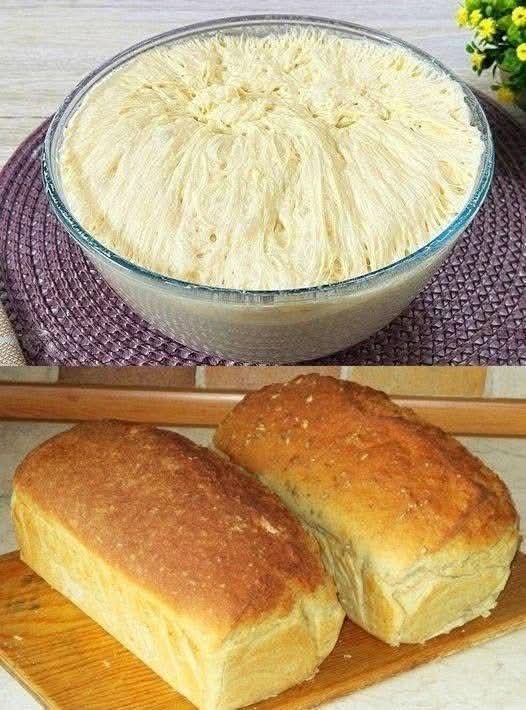
Here’s your big, bakery-style expanded recipe turned into a full story-style guide with everything you asked for 👇
🥖✨ Ultra-Soft Homemade Sweet Yeast Bread (Bakery Style)
🌟 Introduction
There’s something magical about warm, freshly baked yeast dough—soft, fluffy, slightly sweet, and rich with buttery aroma. This kind of dough is the foundation of many bakery favorites: soft rolls, stuffed buns, cinnamon-style breads, and golden breakfast pastries.
What makes this version special is the balance of warm milk, butter, and just enough sugar to create a tender, melt-in-your-mouth texture that truly tastes “million times better than the bakery.”
The secret? Freshly activated yeast and warm ingredients that bring the dough to life like a living, breathing cloud of softness.
🧂 Ingredients
- 1 cup warm milk (not hot, just cozy warm)
- ½ cup warm water
- 2¼ teaspoons active dry yeast
- ¼ cup sugar
- 2 tablespoons butter, melted (plus extra for richness if desired)
- 1 teaspoon salt
- 4 to 4½ cups all-purpose flour (add gradually)
👩🍳 Instructions
1. Activate the Yeast
In a large bowl, combine warm milk, warm water, sugar, and yeast.
Stir gently and let sit for 5–10 minutes until foamy and bubbly.
This step wakes the yeast—it’s the heart of fluffy dough.
2. Build the Dough Base
Add melted butter and salt into the yeast mixture. Stir well.
3. Add Flour Gradually
Slowly add flour, 1 cup at a time, mixing continuously until a soft dough forms.
- Dough should be soft but not sticky
- Adjust flour slightly if needed
4. Kneading Method
Turn dough onto a floured surface and knead for 8–10 minutes.
You’re looking for:
- Smooth texture
- Elastic stretch
- Slight spring-back when pressed
This develops gluten—the structure that traps air and makes the bread fluffy.
5. First Rise (Fermentation)
Place dough in a lightly greased bowl. Cover with a cloth.
Let rise for 1 to 1½ hours, or until doubled in size.
This is where magic happens: yeast produces gas bubbles that make the dough airy and soft.
6. Shape the Dough
Punch down gently to release air. Shape into rolls, buns, or your desired form.
7. Second Rise
Let shaped dough rest for 30–45 minutes until puffy again.
8. Bake
Bake in a preheated oven at 180°C (350°F) for 18–25 minutes, or until golden brown.
Brush with butter immediately after baking for shine and softness.
🔬 Methods & Science Behind It
This recipe relies on yeast fermentation:
- Yeast eats sugar → produces carbon dioxide
- Gas gets trapped in gluten structure → dough rises
- Butter coats flour proteins → soft, tender crumb
- Warm liquids speed up fermentation
The result is a light, airy, bakery-style texture with rich flavor.
📜 A Little History
Yeast-leavened breads date back thousands of years to ancient Egypt, where wild fermentation was first discovered accidentally. Over time, bakers learned how to control yeast, creating softer and more predictable breads.
This enriched dough style (with milk, butter, and sugar) became popular in European bakeries, especially for breakfast buns and soft dinner rolls.
Today, it’s a global comfort food base—used in everything from sweet rolls to stuffed street bakery treats.
🧩 Formation (Why It Works So Well)
This dough succeeds because of:
- Milk → softness + flavor
- Sugar → feeds yeast + light sweetness
- Butter → richness + tenderness
- Proper kneading → structure
- Double rise → airy texture
Each step builds layers of softness and flavor.
❤️ Conclusion
This is not just dough—it’s a bakery-level foundation for endless creations. Whether you turn it into soft rolls, stuffed buns, or sweet breakfast bread, the result is always the same:
Golden outside, fluffy inside, and absolutely irresistible warm from the oven.
😍 For the Lovers of Soft Bread
For the lovers of warm bread
For the lovers of buttery dough
For the lovers of bakery-style softness
For the lovers of fresh-from-the-oven comfort
For the lovers of homemade magic
This recipe is for you.
If you want, I can : 🍩
🥐
🍫
🍯
Just tell me 👍