Got it—since no specific family formula was provided, I’ll create a classic homemade dinner rolls recipe and expand it into a full bakery-style write-up with everything you asked for.
🥖 Soft & Buttery Homemade Dinner Rolls
🌿 Introduction
There’s something timeless about warm dinner rolls fresh out of the oven. Soft, pillowy, and slightly sweet, they’ve been a symbol of comfort food for generations. Whether served at Sunday dinner, holiday feasts, or simple weekday meals, dinner rolls bring people together around the table in the most satisfying way.
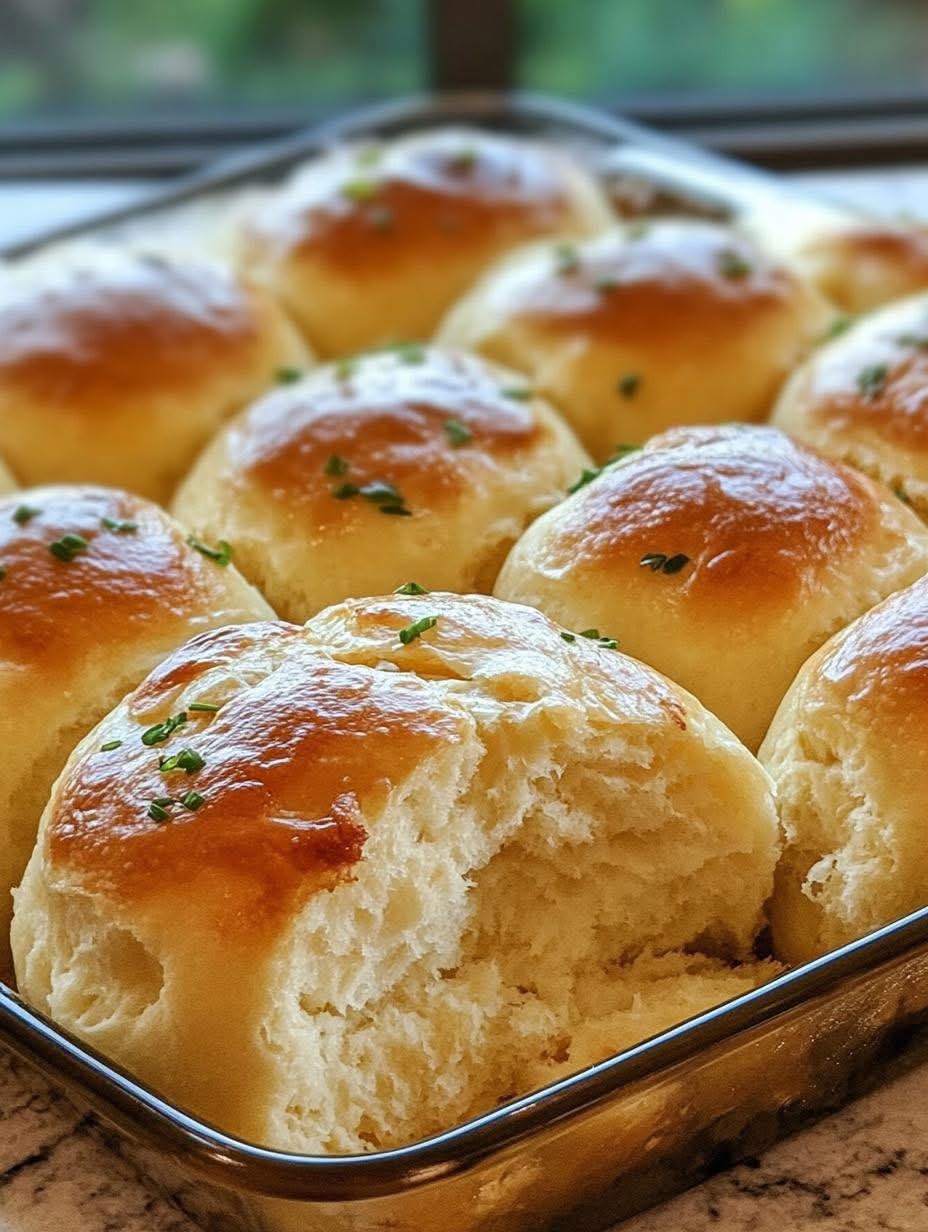
These homemade rolls are ultra-soft inside, golden on top, and brushed with butter for that irresistible bakery finish.
🧂 Ingredients
Dough:
- 4 cups all-purpose flour (about 500 g)
- 2¼ tsp active dry yeast (1 packet)
- 1 cup warm milk (about 110°F / 43°C)
- ¼ cup granulated sugar
- 1 tsp salt
- 1 large egg
- ¼ cup unsalted butter (softened)
For finishing:
- 2 tbsp melted butter (for brushing)
👩🍳 Instructions
- Activate the yeast
In a bowl, mix warm milk, sugar, and yeast. Let it sit for 5–10 minutes until foamy. - Make the dough
Add egg, softened butter, salt, and half of the flour. Mix until combined, then gradually add remaining flour until a soft dough forms. - Knead
Knead for 8–10 minutes until smooth and elastic. The dough should be soft but not sticky. - First rise
Place dough in a greased bowl, cover, and let rise for 1–1.5 hours or until doubled in size. - Shape the rolls
Punch down the dough and divide into 12–16 equal pieces. Shape into smooth balls. - Second rise
Place in a greased baking pan, cover, and let rise again for 30–45 minutes. - Bake
Bake at 375°F (190°C) for 15–20 minutes or until golden brown. - Finish with butter
Brush warm rolls with melted butter for a soft, shiny finish.
🔬 Methods Explained
- Yeast activation ensures the rolls rise properly and become fluffy.
- Kneading develops gluten, which gives structure and softness.
- Two rises create light, airy texture instead of dense bread.
- Butter brushing locks in moisture and adds rich flavor.
📜 History of Dinner Rolls
Dinner rolls trace back to European baking traditions, especially in France and Germany, where small bread portions were served alongside meals. Over time, they became popular in American households, especially during Thanksgiving and Sunday dinners. Their popularity comes from convenience—small, shareable, and perfect for soaking up gravies and sauces.
🧬 Formation (How the Dough Becomes Rolls)
The magic of dinner rolls happens during fermentation. Yeast feeds on sugar, releasing carbon dioxide that creates air pockets in the dough. Gluten traps these bubbles, expanding the dough and giving it that soft, cloud-like structure. When baked, heat sets the structure while keeping the inside tender and fluffy.
🍽️ Conclusion
These homemade dinner rolls are soft, buttery, and incredibly satisfying. They’re the kind of bread that disappears fast from the table—warm, comforting, and perfect with almost any meal. Once you make them from scratch, store-bought rolls will never taste the same again.
💛 For Lovers of Soft Rolls
If you love:
- bakery-style bread
- ultra-soft texture
- buttery tops
- tear-apart rolls
- warm comfort food
Then this recipe will easily become one of your favorites. They’re perfect for holiday dinners, family gatherings, or just fresh out of the oven with a bit of butter melting inside.
If you want, I can also make a cheesy version, garlic butter version, or ultra-fluffy Japanese milk bread rolls next.