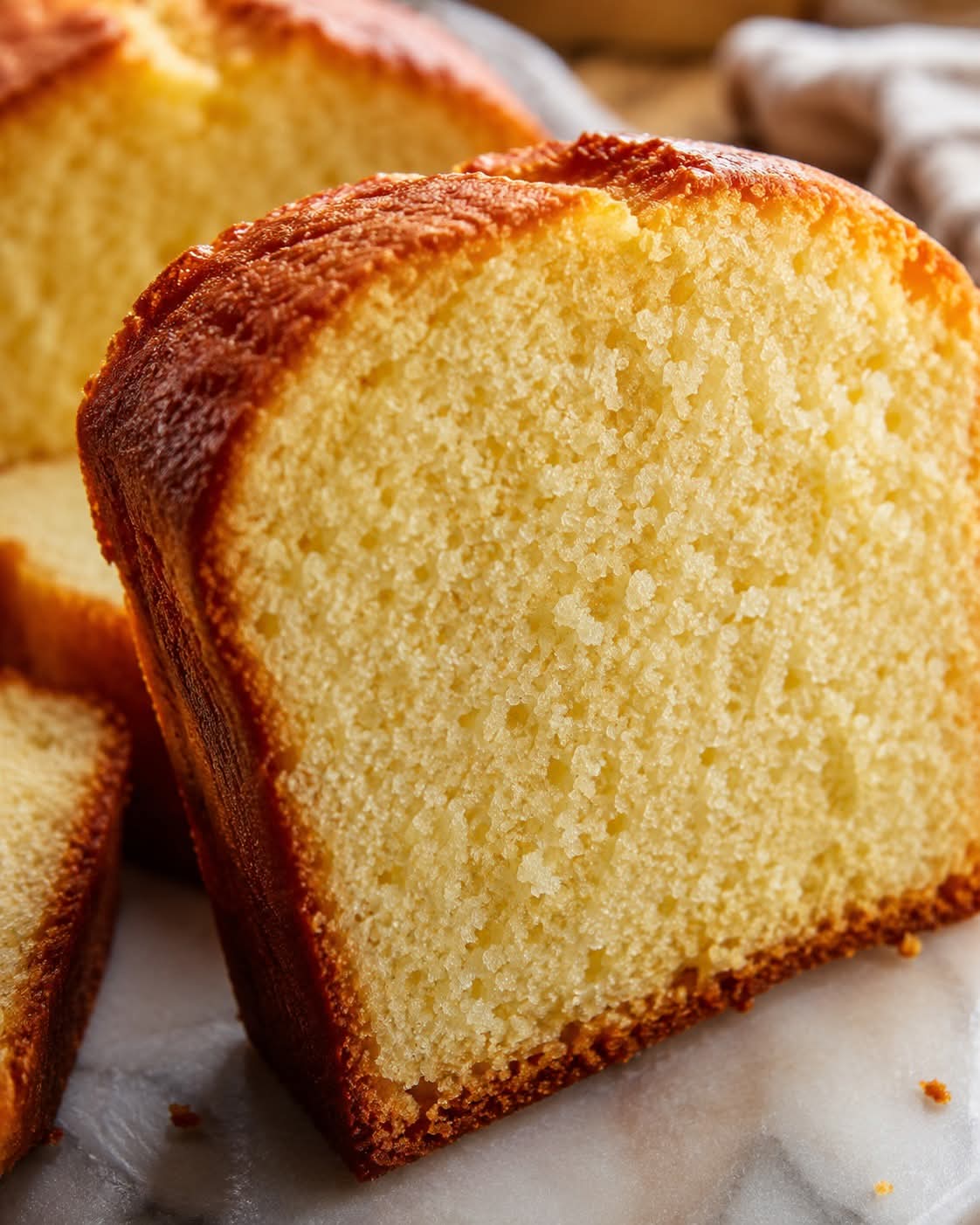
Why Flavor Disappears After Baking — And How to Keep Every Bite Delicious
There is something magical about the smell of a cake baking in the oven. The warm scent of vanilla, chocolate, cinnamon, lemon, butter, or caramel fills the kitchen and makes everyone hungry before the dessert is even finished. But many bakers experience the same disappointment: the cake smells incredible while baking, yet the final taste feels weaker than expected.
This happens because heat changes flavor.
Some flavor compounds are delicate and evaporate during baking, especially alcohol-based extracts like vanilla, almond, rum, coconut, or citrus extracts. The oven’s heat can cause these aromatic compounds to disappear before the cake is fully baked. That beautiful smell drifting through your kitchen is often your flavor escaping into the air.
Professional bakers understand that strong flavor is not created in just one step. It is built in layers. The batter is only the beginning. Frostings, syrups, glazes, fillings, drizzles, and toppings all work together to create a rich and memorable dessert experience.
A truly flavorful cake should taste just as wonderful as it smells.
Ultimate Moist Vanilla Layer Cake with Flavor-Locking Buttercream
This recipe is designed to help preserve flavor during baking while also adding flavor after baking for a bold and bakery-style finish.
Ingredients
For the Vanilla Cake
- 3 cups all-purpose flour
- 2½ teaspoons baking powder
- ½ teaspoon baking soda
- ½ teaspoon salt
- 1 cup unsalted butter, softened
- 2 cups granulated sugar
- 4 large eggs
- 1 tablespoon heat-stable vanilla flavoring
- 1 teaspoon pure vanilla extract
- 1 cup whole milk
- ½ cup sour cream
- ¼ cup vegetable oil
For the Vanilla Soaking Syrup
- ½ cup water
- ½ cup sugar
- 1 teaspoon vanilla extract
For the Buttercream Frosting
- 1 cup unsalted butter, softened
- 4 cups powdered sugar
- 3 tablespoons heavy cream
- 2 teaspoons vanilla extract
- ½ teaspoon butter flavoring
- Pinch of salt
Optional Flavor Enhancers
- Lemon zest
- Almond extract
- Espresso powder
- Cinnamon
- Caramel drizzle
- Fresh berries
- White chocolate curls
Instructions
Step 1: Prepare the Oven
Preheat your oven to 350°F (175°C).
Grease and line two 8-inch cake pans with parchment paper.
Step 2: Mix the Dry Ingredients
In a large bowl, whisk together:
- Flour
- Baking powder
- Baking soda
- Salt
Set aside.
Step 3: Cream Butter and Sugar
In another large mixing bowl, beat the butter and sugar together until light and fluffy. This process adds air into the batter and helps create a soft texture.
Mix for about 3 to 5 minutes.
Step 4: Add Eggs and Flavoring
Add eggs one at a time, mixing well after each addition.
Stir in:
- Heat-stable vanilla flavoring
- Pure vanilla extract
Using both creates a deeper flavor profile.
Step 5: Add Wet and Dry Ingredients
Mix the milk, sour cream, and oil together.
Alternate adding the dry mixture and wet mixture into the batter until fully combined.
Do not overmix.
Step 6: Bake
Divide the batter evenly between the cake pans.
Bake for 28 to 33 minutes or until a toothpick inserted in the center comes out clean.
Step 7: Make the Flavor Syrup
While the cakes cool, combine sugar and water in a small saucepan.
Heat until dissolved.
Remove from heat and stir in vanilla extract.
Brush this syrup over the warm cake layers. This adds moisture and restores flavor lost during baking.
Step 8: Prepare the Buttercream
Beat butter until creamy.
Gradually add powdered sugar.
Mix in cream, vanilla, butter flavoring, and salt until smooth and fluffy.
Step 9: Assemble the Cake
Place one cake layer on a serving plate.
Add frosting.
Repeat with the second layer.
Decorate with drizzle, fruit, or chocolate if desired.
Methods Professional Bakers Use to Keep Flavor Strong
1. Layering Flavor
Flavor should not exist in only one part of the dessert.
Professional bakers flavor:
- Cake batter
- Frosting
- Fillings
- Syrups
- Drizzles
- Whipped cream
This creates depth and richness.
2. Using Heat-Stable Flavoring
Heat-stable flavorings are specially designed to survive oven temperatures better than standard extracts.
They produce stronger flavor after baking.
3. Adding Flavor After Baking
Many bakers brush cakes with flavored syrup after baking because the flavors remain vibrant and fresh.
Popular soaking flavors include:
- Vanilla syrup
- Lemon syrup
- Coffee syrup
- Coconut milk syrup
- Chocolate syrup
4. Balancing Fat and Flavor
Butter, cream, and oils help carry flavor throughout baked goods.
A moist cake usually tastes richer because moisture helps flavor linger on the tongue.
The History of Cake Flavoring
Flavoring desserts dates back centuries.
Ancient bakers used:
- Honey
- Rose water
- Citrus peels
- Spices
- Nuts
Vanilla became especially popular after being cultivated in Mexico and later introduced to Europe. Over time, bakers discovered that some flavors weakened during cooking, leading to the development of extracts, oils, emulsions, and concentrated bakery flavorings.
Modern baking now combines science and creativity to achieve bold flavor that survives heat.
Formation of Flavor During Baking
When cake bakes, several transformations happen:
- Butter melts
- Sugar caramelizes
- Eggs set
- Flour structures form
- Aromatic compounds evaporate
The Maillard reaction also creates deeper toasted flavors and golden color.
This is why baking smells so amazing — flavor molecules are actively being released into the air.
Why Dessert Lovers Adore Strongly Flavored Cakes
Cake lovers often remember desserts not only for sweetness, but for flavor intensity.
A memorable cake usually has:
- Rich aroma
- Moist texture
- Balanced sweetness
- Lingering flavor
- Creamy frosting
- Multiple flavor layers
The best cakes create comfort, celebration, nostalgia, and joy in every bite.
Conclusion
Baking is more than mixing ingredients together. It is understanding how heat changes flavor and learning how to build taste in layers.
If your cakes ever smelled amazing but tasted flat, you are not alone. Nearly every baker experiences this at some point. The secret is not simply adding more extract — it is creating flavor at every stage of the dessert.
Flavor your batter. Flavor your frosting. Flavor your syrup. Flavor your filling.
Because the goal is not just a cake that smells beautiful.
The goal is a cake that tastes unforgettable from the very first bite to the very last crumb.