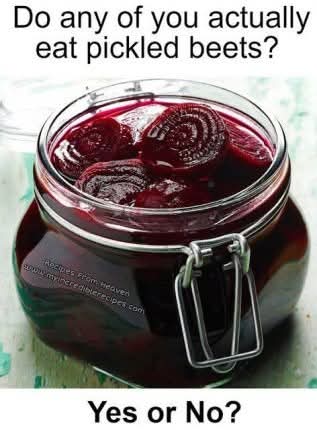
Delicious Pickled Beets Recipe: A Cherished Tradition
Introduction
Pickled beets are one of those timeless homemade treasures that connect generations through flavor, color, and preservation. Deep ruby-red, slightly sweet, tangy, and earthy, they bring both nostalgia and elegance to the table. This dish has been loved across Europe, the Middle East, and America for centuries, often prepared during harvest season to preserve beets for winter meals.
What makes pickled beets so special is their balance: the natural sweetness of beets meets the sharp brightness of vinegar, creating a side dish that is simple yet deeply satisfying. Whether served in salads, alongside meats, or enjoyed straight from the jar, they carry a rustic charm that never fades.
Ingredients
Fresh Ingredients:
- 1 kg fresh beets (medium-sized, firm and unblemished)
- 2 cloves garlic (optional, for depth of flavor)
- 1 small onion, sliced (optional)
Pickling Brine:
- 500 ml apple cider vinegar or white vinegar
- 250 ml water
- 150 g sugar (adjust to taste)
- 1 ½ tsp salt
- 1 tsp whole cloves (optional)
- 1 tsp black peppercorns
- 1 cinnamon stick (optional for warmth)
- 2 bay leaves
Instructions
Step 1: Cooking the Beets
Wash the beets thoroughly, keeping the skins on to preserve color. Place them in a large pot and cover with water. Bring to a boil and simmer for 35–45 minutes until tender when pierced with a fork. Drain and allow them to cool.
Step 2: Peeling and Slicing
Once cooled, gently rub off the skins (they should slip off easily). Slice the beets into rounds, wedges, or cubes depending on preference.
Step 3: Preparing the Brine
In a saucepan, combine vinegar, water, sugar, salt, cloves, peppercorns, cinnamon, and bay leaves. Bring to a gentle boil, stirring until sugar dissolves completely. Let it simmer for 5 minutes so the spices infuse fully.
Step 4: Packing the Jars
Place sliced beets into sterilized glass jars. Add garlic and onion if using. Pour the hot brine over the beets until fully covered.
Step 5: Sealing and Resting
Seal jars tightly. Let them cool at room temperature, then refrigerate. For best flavor, allow the beets to marinate for at least 24–48 hours before eating.
Methods (Traditional & Modern Approach)
Traditional Method
Historically, families would boil beets over wood fires and store them in stone jars or ceramic crocks. Vinegar was often homemade from fermented apples or wine, giving each batch a unique character.
Modern Method
Today, sterilized glass jars and controlled refrigeration ensure safety and consistency. Apple cider vinegar is commonly used for a smoother, fruitier tang, and sugar levels are adjusted to modern taste preferences.
History of Pickled Beets
Pickling beets dates back centuries, especially in Eastern and Northern Europe. In times before refrigeration, pickling was essential for preserving the autumn harvest. Beets, being rich in natural sugars, preserved exceptionally well.
In countries like Poland, Germany, and Russia, pickled beets became a staple in winter diets. They were served alongside roasted meats, potatoes, and hearty stews. Over time, immigrants brought the tradition to America, where it became popular in home kitchens and deli-style cooking.
Formation (How the Flavor Develops)
The magic of pickled beets happens over time:
- Day 1: Beets absorb vinegar sharply, tasting tangy and bright
- Day 2–3: Sweetness and spice begin to blend smoothly
- After 1 week: Full harmony develops—earthy, sweet, tangy, and aromatic
This slow transformation is what gives pickled beets their signature depth.
Serving Ideas (Lovers of Flavor ❤️)
Pickled beets are incredibly versatile and beloved in many forms:
- Sliced over fresh green salads with goat cheese
- Served beside roasted chicken or grilled fish
- Mixed into grain bowls with quinoa or rice
- Paired with boiled eggs for a classic European snack
- Enjoyed straight from the jar for a quick tangy bite
They are especially loved by those who enjoy bold contrasts—sweet meets sour, soft meets crisp, earthy meets bright.
Conclusion
are more than just a side dish—they are a tradition preserved in vinegar and time. From old-world kitchens to modern tables, they continue to bring color, health, and flavor to meals around the world.
Simple to prepare yet rich in history, they remind us that the best recipes often come from patience, preservation, and love.
Lovers of Pickled Beets (Final Note ❤️)
Those who love pickled beets often love bold, honest flavors—foods that tell a story. Whether enjoyed in quiet family dinners or festive gatherings, they carry a comforting warmth that connects people through generations.
And in every jar, there is a little reminder: good things take time to become beautiful.