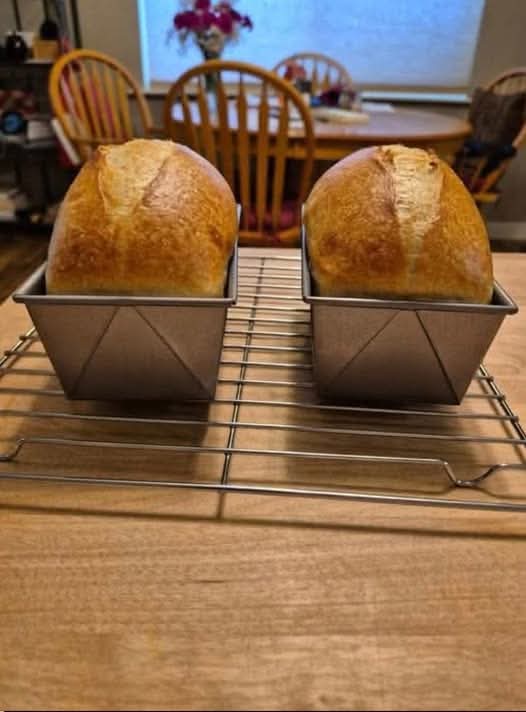
Soft gluten-free sourdough sandwich bread is one of those bakes that surprises people the first time they get it right—the kind of loaf that feels light in the hand, slightly tangy from the fermentation, and unbelievably soft inside. When it comes out of the oven, the aroma is warm, slightly nutty, and deeply comforting, like a mix of toasted grains and slow-fermented dough. It’s the kind of bread that makes you pause before slicing, just to appreciate it.
This version is designed specifically for gluten-free baking, where structure and softness are always a balancing act. The sourdough fermentation replaces what gluten normally does—building strength, elasticity, and flavor over time.
🥖 Soft Gluten-Free Sourdough Sandwich Bread
🌾 Introduction
Unlike traditional wheat sourdough, gluten-free sourdough bread relies on a carefully balanced mix of flours, hydration, and fermentation to achieve softness without crumbling. The magic is in the slow rise and the natural wild yeast, which creates a bread that is easier to digest, richer in flavor, and incredibly tender.
This loaf is perfect for sandwiches, toast, French toast, or simply warm with butter.
🛒 Ingredients
🧫 Gluten-Free Sourdough Base
- 1 cup active gluten-free sourdough starter (bubbly and fed)
- 1 ½ cups warm water (adjust as needed)
- 2 tbsp olive oil or melted butter
- 2 tbsp honey or maple syrup
- 2 large eggs (room temperature)
🌾 Dry Ingredients
- 2 cups gluten-free all-purpose flour blend (with xanthan gum or psyllium blend preferred)
- 1 cup oat flour (certified gluten-free)
- 2 tbsp psyllium husk powder (key for structure)
- 1 tsp salt
- 1 tsp baking powder (optional for extra lift)
👩🍳 Instructions & Methods
🥣 1. Activate the Dough
In a large bowl, combine the sourdough starter, warm water, honey, oil, and eggs. Whisk until smooth and slightly frothy. This helps distribute air and activates fermentation potential.
🌾 2. Add Dry Ingredients
Slowly add the gluten-free flour blend, oat flour, psyllium husk, salt, and baking powder. Mix until a thick, sticky dough forms.
Unlike wheat dough, this will not knead in the traditional sense—it will be more like a thick batter that holds shape.
⏳ 3. First Rise (Fermentation)
Cover the bowl with a damp cloth or plastic wrap. Let it ferment for 6–12 hours at room temperature (or overnight).
The dough should rise slightly, become airy, and develop a mild sour aroma.
🍞 4. Shape the Dough
Transfer the dough into a greased loaf pan. Smooth the top with wet hands or a spatula.
Sprinkle seeds on top if desired (sesame, flax, or sunflower).
🌡️ 5. Second Rise
Let it rise again for 1–2 hours until slightly puffy. Gluten-free dough will not double like wheat dough, but should look lighter.
🔥 6. Bake
Preheat oven to 180°C (350°F).
Bake for 45–55 minutes, until the top is golden brown and the loaf sounds hollow when tapped.
If needed, tent with foil halfway through to prevent over-browning.
❄️ 7. Cool Completely
Let it cool fully before slicing—this step is essential for structure. Cutting too early can make it gummy inside.
🧬 Methods Explained
This bread relies on three key techniques:
- Hydration control: Gluten-free flours need more moisture to stay soft.
- Psyllium husk binding: Replaces gluten’s elasticity and traps air bubbles.
- Fermentation (sourdough): Builds flavor, improves digestion, and strengthens structure naturally.
📜 A Bit of History
Sourdough is one of the oldest forms of leavened bread, dating back thousands of years. Before commercial yeast existed, bakers relied on wild yeast captured from the environment.
Gluten-free sourdough is a modern adaptation born from both necessity and creativity—allowing people with gluten intolerance to experience the depth and complexity of traditional sourdough baking.
🧩 Formation (What’s Happening Inside the Dough)
During fermentation, wild yeast consumes sugars and produces carbon dioxide, which creates air pockets. Meanwhile, bacteria develop organic acids that give sourdough its signature tang.
In gluten-free baking, psyllium husk and starches form a gel-like network that traps these gases, giving the bread its structure and softness.
💛 Conclusion
This soft gluten-free sourdough sandwich bread is more than just a recipe—it’s a process of patience and transformation. Every step builds flavor, texture, and character. The final result is a loaf that is soft enough for sandwiches but sturdy enough to hold fillings without falling apart.
It’s warm, comforting, and deeply satisfying—especially when fresh out of the oven.
💕 For the Lovers of This Bread
This bread is made for:
- sourdough lovers who want gluten-free options
- sandwich lovers who refuse dry, crumbly bread
- home bakers who enjoy slow fermentation
- anyone who loves the smell of fresh bread filling a kitchen
It’s also for those who believe baking is not just cooking—it’s therapy, patience, and a little bit of magic.
✨ Final Thought
When you slice into it and see that soft, airy crumb, that’s when you understand it wasn’t just about ingredients—it was about time, care, and fermentation doing its quiet work.
And honestly… that first warm slice with butter? Pure love.