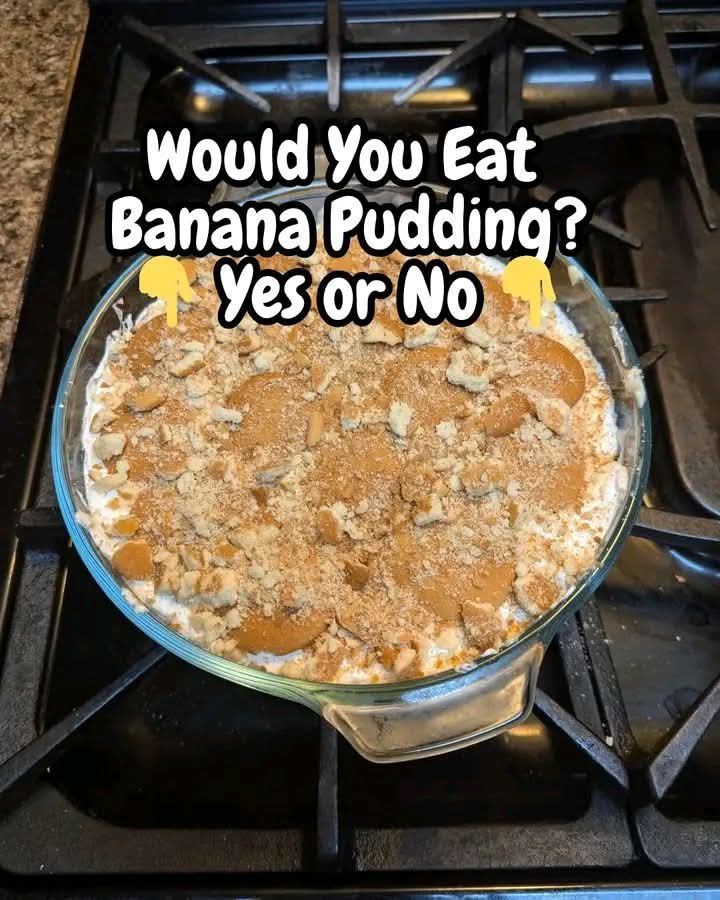
Here is a comprehensive, detailed guide to The Ultimate Southern Banana Pudding, crafted to meet all your requests for a big recipe with history, benefits, nutrition, and more.
—
The Ultimate Southern Banana Pudding
Introduction
In the pantheon of Southern desserts, few dishes command as much respect and devotion as Banana Pudding. This is not merely a dessert; it is a cultural touchstone, a centerpiece of family reunions, church suppers, and Sunday dinners across the American South. While many versions have emerged over the years—including the quick “instant” variety—the true heirloom experience lies in the stovetop custard version.
This recipe is an homage to that legacy. It forgoes instant pudding mixes in favor of a from-scratch vanilla custard, patiently stirred to velvety perfection. Layered with ripe, sweet bananas and the iconic vanilla wafers, it is then crowned with a golden, toasted meringue. The result is a dessert of contrasts: the cool creaminess of the custard, the soft warmth of the bananas, and the gentle snap of the wafers that have softened into cake-like layers. This is the banana pudding that grandmothers are famous for—a dish that tastes like love, patience, and Southern hospitality.
—
🛒 Ingredients
The Vanilla Custard
· Granulated Sugar: ¾ cup
· All-Purpose Flour: ⅓ cup (acts as the thickener, creating a stable custard)
· Salt: ¼ teaspoon (enhances sweetness and balances flavors)
· Large Egg Yolks: 4 (reserve the whites for the meringue; they provide richness and structure)
· Whole Milk: 3 cups (whole milk is non-negotiable for a luscious, creamy texture)
· Unsalted Butter: 2 tablespoons (adds a silky mouthfeel and richness)
· Pure Vanilla Extract: 1 tablespoon (the soul of the custard; use pure, not imitation)
The Assembly
· Vanilla Wafers: 1 (11-ounce) box (approximately 60-70 wafers; Nabisco is the traditional choice)
· Ripe Bananas: 4-5 large (ripe with brown speckles for maximum sweetness and flavor, but not mushy)
The Meringue Topping
· Reserved Egg Whites: 4 large
· Granulated Sugar: ¼ cup
· Cream of Tartar: ¼ teaspoon (stabilizes the meringue, preventing weeping)
—
👩🍳 Instructions & Methods
This recipe follows the classic stovetop custard method, which is the cornerstone of traditional Southern banana pudding.
Step 1: Make the Custard Base
1. In a large, heavy-bottomed saucepan (to prevent scorching), whisk together the ¾ cup sugar, ⅓ cup flour, and ¼ teaspoon salt.
2. In a separate bowl, whisk the 4 egg yolks. Slowly pour in the 3 cups of whole milk, whisking to combine.
3. Gradually pour the milk mixture into the dry ingredients in the saucepan, whisking constantly to create a smooth slurry.
4. Place the saucepan over medium heat. Cook, stirring constantly with a whisk or a wooden spoon (be sure to scrape the bottom and corners), until the mixture thickens and begins to bubble gently. This will take about 8-10 minutes. You’ll know it’s ready when it coats the back of a spoon and a finger drawn across the back leaves a clean line.
5. Remove from heat. Stir in the 2 tablespoons of butter and 1 tablespoon of vanilla until the butter is fully melted and incorporated.
Step 2: Assemble the Layers
1. Select a 3-quart baking dish (a 9×13-inch pan or a deep ceramic dish works perfectly).
2. First Layer: Spread a thin layer of the hot custard on the bottom of the dish. This prevents the wafers from sliding.
3. Second Layer: Arrange a single layer of vanilla wafers over the custard.
4. Third Layer: Slice the bananas into ¼-inch rounds and arrange a layer over the wafers.
5. Fourth Layer: Pour about one-third of the remaining custard over the bananas.
6. Repeat the layers (wafers, bananas, custard) two more times, ending with a final layer of custard on top. Press the final layer of wafers gently into the custard around the edges, but reserve a few whole wafers to decorate the top.
Step 3: The Meringue Method
1. Preheat your oven to 400°F (200°C) .
2. In a clean, grease-free mixing bowl (any fat will prevent the egg whites from whipping), combine the 4 reserved egg whites and ¼ teaspoon cream of tartar.
3. Using an electric mixer, beat on medium speed until soft peaks form (the peaks will flop over).
4. Gradually add the ¼ cup sugar, one tablespoon at a time, while continuing to beat. Increase speed to high and beat until stiff, glossy peaks form. Do not overbeat, or the meringue will become dry.
5. Spoon the meringue over the hot custard, spreading it to the edges of the dish to seal it. This sealing prevents shrinkage.
6. Arrange the reserved whole wafers on top of the meringue for decoration.
7. Bake for 5-8 minutes, or until the meringue is beautifully browned. Watch carefully, as it can go from golden to burnt quickly.
Step 4: Cool and Set
Remove from the oven and let cool on a wire rack for at least 1 hour. Then, refrigerate for a minimum of 4 hours, preferably overnight. This chilling time is crucial for the custard to fully set and for the wafers to soften into that classic, cake-like texture.
—
📜 History & Heritage
The origins of banana pudding are a story of industrial innovation and Southern ingenuity. While custards and puddings have existed for centuries, the dessert as we know it was born in the late 19th century.
· The Ingredients: Bananas became widely available in the United States in the 1870s and 1880s, thanks to shipping magnates like Lorenzo Dow Baker and Minor C. Keith. They were considered exotic and luxurious.
· The Wafer: In 1898, the National Biscuit Company (Nabisco) introduced the “Vanilla Wafer.” It was marketed as a versatile product for desserts.
· The Recipe: In the early 20th century, manufacturers began printing recipes on their product boxes. Nabisco’s famous “Banana Pudding” recipe, which called for their vanilla wafers, appeared on the box around the 1940s. It was a masterful piece of marketing that became a staple in Southern kitchens.
· The Southern Adoption: The South, with its deep tradition of farm-fresh eggs and milk and its culture of communal dining, embraced the recipe wholeheartedly. It became a fixture at potlucks because it could be made in large quantities, was relatively inexpensive, and could be prepared a day ahead. The stovetop version predates the “instant” version and is considered by purists to be the only authentic method, representing a time when desserts were made by hand with patience and care.
—
✨ Benefits (Beyond the Plate)
While banana pudding is first and foremost a comfort food, it does offer some surprising benefits:
1. Nutritional Value from Bananas: Bananas are a rich source of potassium, which is essential for heart health and blood pressure regulation. They also provide vitamin B6 and dietary fiber.
2. Calcium-Rich: Made with whole milk and eggs, this dessert provides a significant amount of calcium and protein, which are vital for bone health.
3. Mental & Emotional Comfort: The process of making a stovetop custard—stirring, watching it thicken—is a mindful, meditative act. For many, the nostalgic taste is a powerful source of emotional comfort, connecting them to memories of family and home.
4. No Artificial Ingredients: Unlike the “instant” version, this recipe relies on real, whole ingredients with no artificial flavors, colors, or preservatives.
—
🧪 Formation (The Science of the Custard)
The success of this pudding lies in understanding the culinary science:
· Starch Thickening: The flour acts as a starch. When heated in the milk, the starch granules absorb liquid and swell, causing the mixture to thicken. This is a physical change that creates the structure of the pudding.
· Egg Emulsification: The egg yolks are natural emulsifiers. They contain lecithin, which helps bind the fat (from the milk and butter) with the water-based liquids. This prevents separation and creates a smooth, unified texture.
· Protein Coagulation: As the custard heats, the proteins in the egg yolks coagulate (denature and bond together). If the heat is too high or the stirring stops, they can coagulate into curds. Constant stirring and gentle heat ensure they form a delicate, smooth network rather than scrambled eggs.
· Meringue Structure: Whipping egg whites incorporates air bubbles. The cream of tartar (an acid) lowers the pH, allowing the protein molecules to unfold and form a stronger, more stable network around the air bubbles. The sugar adds sweetness and helps retain moisture, preventing the meringue from weeping.
—
🍽️ Conclusion
The Ultimate Southern Banana Pudding is more than a sum of its parts. It is a lesson in patience, a celebration of simple, quality ingredients, and a connection to a rich culinary heritage. While the instant version offers speed, this stovetop custard version offers soul. The extra hour at the stove, the careful folding of the meringue, and the long, anticipatory chill in the refrigerator are what elevate this dessert from a simple treat to an unforgettable experience.
Whether served in a heirloom glass dish at a holiday gathering or in a casual bowl for a weeknight indulgence, this banana pudding delivers a perfect harmony of textures and flavors. It is a reminder that the best things in life—and in the kitchen—are worth taking the time to make from scratch.
—
💕 Lovers
This dessert is beloved by a wide array of people:
· The Traditionalist: Those who insist that banana pudding must have a toasted meringue, never whipped cream.
· The “Wafer-Soft” Enthusiast: People who love the part of the pudding where the wafers have softened to a delicate, cake-like consistency.
· The “Wafer-Crunch” Enthusiast: Those who strategically eat around the edges first to savor the wafers that still have a slight snap.
· The Southerner: For anyone from the American South, this dish is a point of pride and a non-negotiable staple at family gatherings.
· The Home Baker: This recipe appeals to those who find joy and therapy in the process of slow, intentional cooking.
· The Skeptic: Even people who claim they don’t like bananas or pudding often convert after tasting a single spoonful of this rich, complex, homemade version.
—
🧮 Nutrition (Per Serving)
Nutritional information is an estimate based on a 3×3-inch square serving, assuming the recipe yields 12 servings.
Nutrient Amount (Approx.)
Calories 320-380 kcal
Total Fat 12g
Saturated Fat 6g
Cholesterol 95mg
Sodium 180mg
Total Carbohydrates 55g
Dietary Fiber 2g
Total Sugars 38g
Protein 7g
Potassium 350mg
Calcium 120mg
Note: Using whole milk and butter contributes to the higher fat content, which is essential for the flavor and texture. To reduce fat, one could use 2% milk, though the custard will be less rich.
—
❤️ Final Conclusion
In a world of quick fixes and instant gratification, The Ultimate Southern Banana Pudding stands as a delicious act of rebellion. It asks for your time and attention, and in return, it grants you a dessert that is truly transcendent. This is not just a recipe; it’s an heirloom to pass down, a dish that creates memories as rich and layered as the pudding itself.
Once you’ve mastered the stovetop custard and the perfectly toasted meringue, you’ll understand why this version has such a devoted following. It’s the taste of a slower, more deliberate time—a taste of the South, one perfect spoonful at a time. So gather your ingredients, clear your schedule, and prepare to create the ultimate comfort food. Your family—and your taste buds—will thank you.