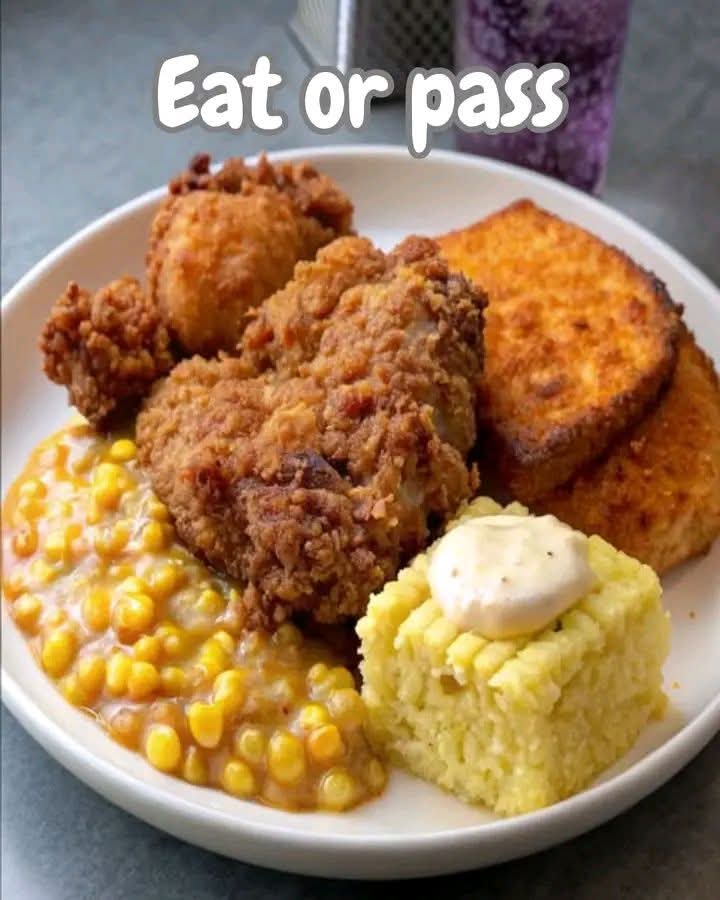
Here is a comprehensive guide to Crispy Fried Chicken, structured to cover every element you requested, from its rich history to the final delicious bite.
—
The Ultimate Guide to Crispy Fried Chicken
Introduction
There is a certain magic to biting into a piece of perfectly fried chicken. The initial shatter of the golden, craggy crust gives way to juicy, tender meat that is seasoned to the bone. It is a dish that transcends cultures, bringing people together at summer picnics, Sunday dinners, and late-night cravings alike. This recipe is designed to elevate your dinner game, providing not just a meal, but an experience. Get ready to master the art of the crunch with a method that is surprisingly simple, yielding results so spectacular that everyone will be coming back for seconds—and thirds.
—
History
The history of fried chicken is a story of cultural fusion. While the technique of deep-frying poultry has roots in Scottish and West African culinary traditions, it was in the American South that it was perfected. Scottish immigrants brought their tradition of frying chicken in fat, while enslaved West Africans introduced the use of intense seasoning, spices, and the technique of deep-frying in palm oil. After the Civil War, the dish was popularized by African American cooks, particularly through the “Virginia way” of frying. From there, it spread across the nation, becoming a symbol of comfort, celebration, and culinary excellence. Today, it is a global phenomenon, with countless regional variations, but the soul of the dish remains rooted in that perfect balance of spice, juice, and crunch.
—
Benefits
While fried chicken is a celebratory dish, it does offer more than just incredible taste:
1. High-Quality Protein: Chicken is an excellent source of lean protein, essential for muscle building, tissue repair, and overall bodily function.
2. Nutritional Value: Dark meat (thighs and drumsticks) provides iron and zinc, while skin-on pieces retain essential vitamins like B6 and B12.
3. Psychological Comfort: As a “comfort food,” sharing a meal of fried chicken promotes social bonding, reduces stress, and provides a deep sense of nostalgia and well-being.
4. Versatility: It pairs well with a wide variety of nutritious sides, from fresh coleslaw and green salads to vitamin-rich collard greens and sweet potatoes, allowing for a balanced plate.
—
Formation (The Science of the Crunch)
The “formation” of perfect fried chicken is a beautiful chemical process. The magic happens in two stages:
1. The Marinade (Buttermilk): The buttermilk is not just for flavor. Its lactic acid gently tenderizes the chicken by breaking down tough proteins. This acidic environment also helps the seasoned flour adhere better to the meat.
2. The Double-Dredge: Coating the chicken in flour, then back into the liquid, then into flour again creates a thick, craggy layer that maximizes surface area. When this hits the hot oil, the starches in the flour gelatinize, creating a solid, impermeable crust that locks in juices while the steam escaping from the meat creates the characteristic blisters and flakes that define “extra crispy” chicken.
—
Ingredients
Makes 4-6 servings
For the Brine/Marinade:
· 2–3 lbs chicken pieces (a mix of drumsticks, thighs, and bone-in breasts is ideal) 🍗
· 2 cups buttermilk (full-fat for best results)
· 1 tablespoon hot sauce (such as Tabasco or Frank’s RedHot)
· 1 teaspoon salt
· 1 teaspoon garlic powder
For the Coating:
· 2 cups all-purpose flour
· ½ cup cornstarch (this is the secret to extra crispiness)
· 1 tablespoon paprika
· 2 teaspoons garlic powder
· 2 teaspoons onion powder
· 1 teaspoon cayenne pepper (adjust to taste)
· 2 teaspoons salt
· 1 teaspoon black pepper
For Frying:
· Peanut oil or vegetable oil (enough to come 2 inches up the side of a heavy-bottomed pot or Dutch oven)
—
Instructions (Method)
Step 1: Marinate
In a large bowl, whisk together the buttermilk, hot sauce, salt, and garlic powder. Add the chicken pieces, turning to coat. Cover and refrigerate for at least 4 hours, but preferably overnight (up to 24 hours). This is crucial for tenderness and flavor.
Step 2: Prepare the Coating
In a large, shallow dish or pie plate, whisk together the flour, cornstarch, paprika, garlic powder, onion powder, cayenne, salt, and pepper.
Step 3: The Double-Dredge
Remove a piece of chicken from the buttermilk, allowing excess to drip off. Dredge it in the flour mixture, pressing firmly to adhere. Dip it back into the buttermilk for a second, quick coat, then dredge again in the flour. Gently shake off the excess and place the coated piece on a wire rack. Repeat with all pieces. Let the coated chicken rest on the rack for 15-20 minutes. This allows the coating to set and prevents it from falling off during frying.
Step 4: Heat the Oil
In a heavy-bottomed Dutch oven or deep skillet, pour oil to a depth of about 2 inches. Heat over medium heat to 325°F (165°C). Use a deep-fry thermometer for accuracy.
Step 5: Fry
Carefully place the chicken pieces skin-side down in the oil, ensuring not to overcrowd the pot (fry in batches). Fry dark meat (thighs, drumsticks) for 12-14 minutes, turning occasionally. Fry white meat (breasts) for 8-10 minutes. The internal temperature should reach 165°F (74°C), and the coating should be a deep, golden brown.
Step 6: Drain and Rest
Using tongs, remove the chicken and place it on a clean wire rack set over a baking sheet. Do not drain on paper towels, as this traps steam and makes the crust soggy. Let rest for 5-10 minutes before serving. This resting period allows the juices to redistribute.
—
Nutrition (Per Serving, Approx. 2 pieces)
Note: Values vary based on cooking oil absorption and specific cuts.
· Calories: 550-750
· Protein: 35-45g
· Fat: 35-45g
· Carbohydrates: 25-30g
· Sodium: 800-1000mg
—
Lovers (Who This Recipe is For)
This recipe is a love letter to:
· The Home Cook: Who wants to create a restaurant-quality meal with confidence.
· The Fried Chicken Aficionado: Who understands that a great crust is just as important as juicy meat.
· The Family Gatherer: Who needs a reliable, crowd-pleasing centerpiece for game days, reunions, or Sunday dinners.
· The Nostalgic Eater: Who is looking to recreate the flavors of childhood or a beloved roadside diner.
—
Methods (Pro Tips for Success)
1. Temperature is Everything: Keep that oil steady at 325°F. If it’s too hot, the outside burns before the inside cooks. Too low, and the chicken absorbs oil and becomes greasy.
2. Use a Thermometer: For both the oil and the chicken. It’s the only way to guarantee food safety and perfect results every time.
3. Let it Rest: The resting period on the wire rack after frying is non-negotiable. It preserves the crunch and ensures the meat isn’t scalding hot when served.
4. Season All Layers: Don’t just rely on the flour. Seasoning the buttermilk brine ensures flavor penetrates deep into the meat, creating a more complex and satisfying taste.
—
Conclusion
Crispy Fried Chicken is more than just a recipe; it is a craft. From its storied history to the precise science of its formation, every step is a testament to the pursuit of perfect flavor and texture. This recipe provides you with the tools, techniques, and understanding to achieve that golden, shattering crust and impossibly juicy interior. So, gather your ingredients, embrace the process, and get ready to create a meal that not only satisfies hunger but also creates memories. Your dinner game has officially been elevated.
—
Lovers (In a Culinary Sense)
In the culinary world, “lovers” refers to the perfect pairings and accompaniments that complete the experience. The true lovers of crispy fried chicken are:
· Soft, fluffy buttermilk biscuits to soak up every last bite.
· Creamy coleslaw for a cool, tangy contrast.
· Mashed potatoes with gravy for a classic, hearty duo.
· A drizzle of hot honey for that sweet-and-spicy kiss that sends the flavor profile over the top.