Absolutely! Let’s turn those magical dandelions into a full, rich recipe experience. Here’s a detailed guide for Dandelion Honey & Herbal Tea, a comforting and nutrient-packed remedy. I’ve included introduction, history, formation, and all the steps, plus notes for lovers of this herb. 🌼
🌼 Dandelion Honey & Herbal Tea Recipe
Introduction
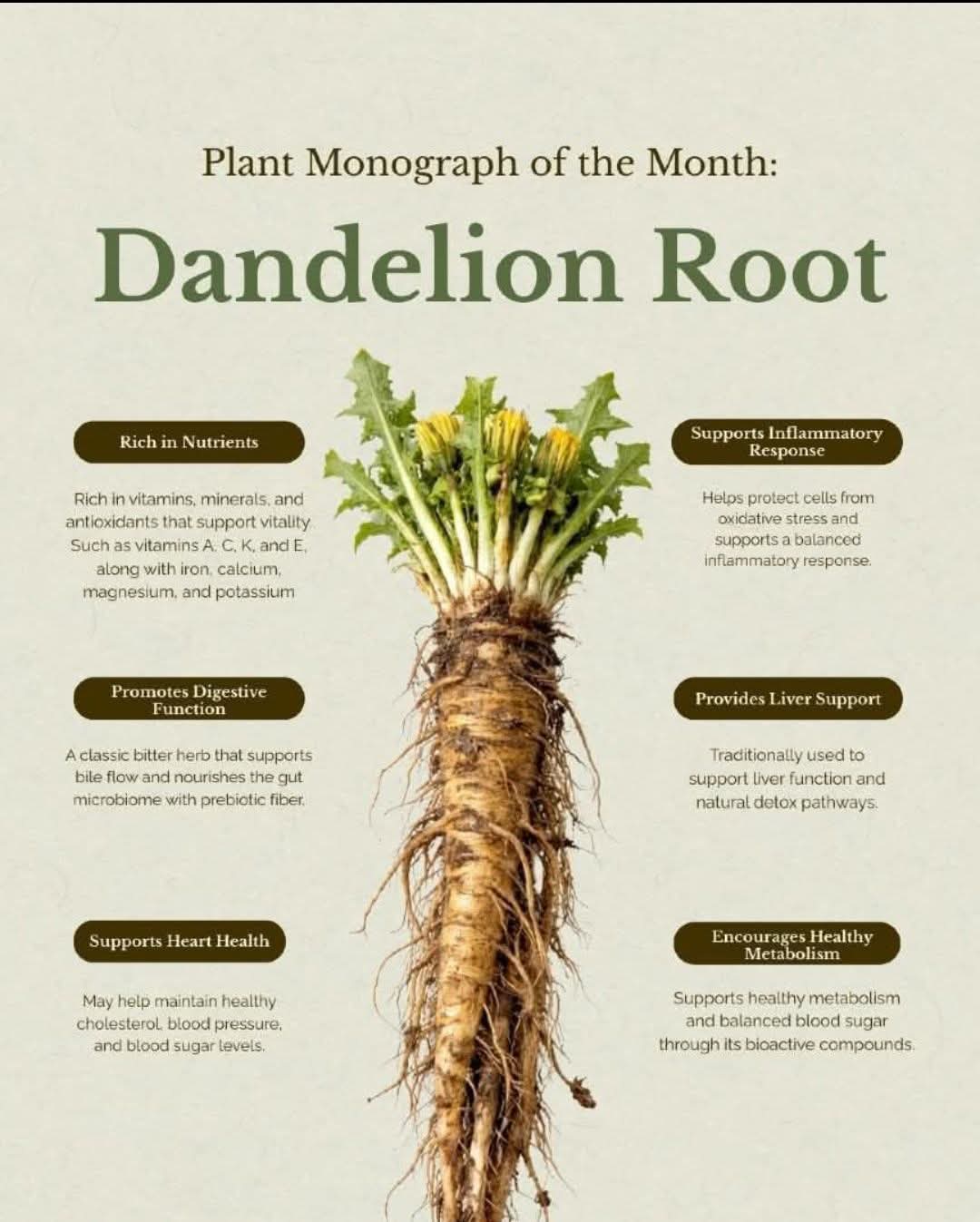
Dandelions (Taraxacum officinale) aren’t just charming yellow flowers popping up in your garden—they’re powerful herbal allies. Known as a “liver tonic” and “blood cleanser,” dandelions have been used for centuries in traditional medicine across Europe, Asia, and North America. Their leaves, roots, and flowers are packed with vitamins A, C, K, calcium, potassium, and antioxidants, supporting digestion, immunity, and heart health.
This Dandelion Honey & Herbal Tea combines the slightly bitter, earthy flavor of dandelion with the natural sweetness of honey, making it a soothing daily elixir. Perfect for moments of relaxation or gentle detox support.
Ingredients
For Dandelion Infusion
- 1 cup fresh dandelion flowers (washed)
- 2 cups fresh dandelion leaves (optional for more herbal depth)
- 1 tsp dried dandelion root (optional, for a richer flavor)
- 4 cups filtered water
For Sweetening
- 2–3 tbsp raw honey (adjust to taste)
- 1 tsp lemon juice (optional, brightens the flavor)
Optional Add-ins
- A few fresh mint leaves
- A slice of ginger (for warmth)
Instructions & Methods
Step 1: Harvest & Prepare
- Gather dandelion flowers and leaves from a pesticide-free area.
- Rinse gently to remove dirt and tiny insects.
- If using roots, wash and chop them into small pieces.
Step 2: Infuse
- Bring 4 cups of water to a gentle boil.
- Add the flowers, leaves, and optional root.
- Reduce heat and let simmer for 10–15 minutes.
- For a stronger infusion, steep for another 5–10 minutes off the heat.
Step 3: Strain & Sweeten
- Strain the liquid into a teapot or heatproof container.
- Stir in honey and lemon juice. Adjust sweetness to taste.
Step 4: Serve
- Pour into your favorite mug, garnish with a flower or mint leaf if desired.
- Enjoy hot, or chill and serve over ice for a refreshing summer drink.
History & Formation
Dandelions have been used as food and medicine for over a thousand years. Ancient Egyptians used them to improve digestion, Chinese herbalists relied on dandelion for liver and kidney health, and European folk medicine recognized the flower as a tonic for fatigue and inflammation.
The herbal tea method emerged as a simple way to extract the vitamins, minerals, and bitter compounds from the whole plant. Over centuries, honey became a natural sweetener, balancing the tea’s earthy bitterness and preserving the flower’s subtle aroma.
Conclusion
This dandelion tea is more than a beverage—it’s a ritual that honors the resilience and magic of humble plants growing close to home. Rich in nutrients, soothing to the digestive system, and heart-supportive, it’s a little daily potion for wellness.
Lovers’ Notes
- Dandelion lovers appreciate its gentle detox properties. Start with 1 cup a day to see how your body responds.
- Pair it with other herbal teas like chamomile or nettle for variety.
- Collecting your own dandelions connects you to nature and reinforces the mindfulness of your tea ritual.
Bonus Methods for Lovers
- Dandelion Honey Syrup – Infuse flowers in warm honey for a natural sweetener that can go in tea, toast, or oatmeal.
- Dandelion Flower Fritters – Dip flowers in a light batter and fry for a sweet, edible treat.
- Roasted Dandelion Root Coffee – Dry roots and roast them for a caffeine-free herbal coffee alternative.
If you want, I can also create a full “Dandelion Elixir Cookbook” style guide with 5+ recipes from flower to root, including tonics, syrups, and desserts. It would be a big herbal adventure! 🌿✨
Do you want me to make that?