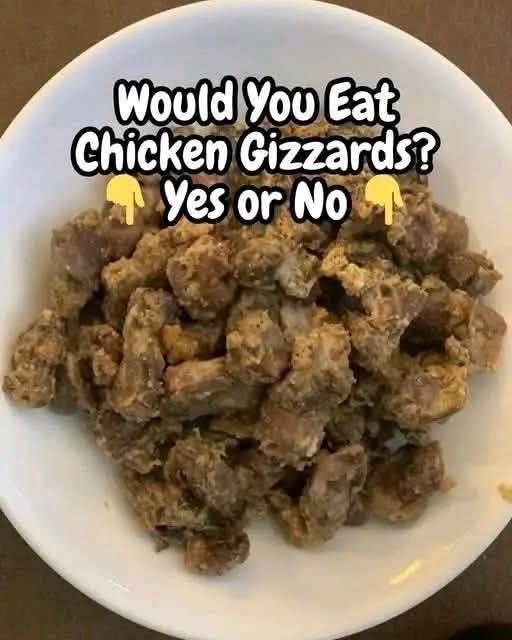
Here is a comprehensive guide to Chicken Gizzards, presented as a detailed big recipe with all the elements you requested.
—
The Humble Hero: A Comprehensive Guide to Perfect Fried Chicken Gizzards
Introduction
In the world of gastronomy, there are prime cuts and then there are “variety meats”—the parts of the animal that require a little more love and understanding but often reward the cook with the deepest, most satisfying flavors. Chicken gizzards are the epitome of this. A gizzard is a muscular organ found in the digestive tract of birds, used to grind up food because they have no teeth. While it may sound unappealing to the uninitiated, for millions around the world, the gizzard is a delicacy. When prepared correctly, this tough, hard-working muscle transforms into a tender, savory bite with a unique, almost mineral-rich depth that chicken breasts can only dream of. This guide will take you from a hesitant cook to a confident connoisseur, showing you how to turn one pound of these humble morsels into a plate of golden, irresistible fried chicken gizzards. This recipe, passed down through generations, uses a simple buttermilk soak and a classic cornmeal crust to achieve the perfect balance of tender interior and shatteringly crisp exterior.
—
Ingredients
· 1 pound chicken gizzards, cleaned: Ensure any greenish or discolored spots are removed and that they are rinsed thoroughly. This is your star ingredient.
· 1 cup buttermilk: The secret to tenderizing. Its mild acidity helps break down the tough muscle fibers, ensuring a tender result.
· 1 cup all-purpose flour: The foundation of our crispy coating.
· 1/2 cup yellow cornmeal: This adds a wonderful crunch, rustic texture, and a beautiful golden color.
· 1 teaspoon salt: For seasoning the coating.
· 1/2 teaspoon black pepper: Adds a gentle warmth.
· 1/2 teaspoon garlic powder (optional but recommended): For an extra layer of savory flavor.
· Vegetable oil or peanut oil, for frying: Choose an oil with a high smoke point.
—
Instructions: Methods and Formation
Follow these steps for perfect fried gizzards every time. This process is broken down into the key methods of preparation.
Step 1: The Tenderizing Soak (Method: Brining/Tenderizing)
· Place the cleaned chicken gizzards in a medium bowl.
· Pour the buttermilk over them, ensuring they are fully submerged.
· Cover the bowl and refrigerate for at least 2 hours, but preferably 4 to 6 hours, or even overnight. This long soak is the most critical step for tender gizzards.
Step 2: The Par-Cook (Method: Simmering)
· After soaking, transfer the gizzards and the buttermilk to a small saucepan. Add enough water to cover the gizzards by about an inch.
· Bring the liquid to a boil, then immediately reduce the heat to a low simmer. Cover the pot and let it simmer gently for 45 minutes to 1 hour, or until the gizzards are fork-tender. Skim off any foam that rises to the surface.
· Drain the gizzards in a colander and let them cool slightly. This step is what truly guarantees they won’t be rubbery.
Step 3: The Coating Station (Method: Dredging)
· While the gizzards are cooling, prepare your dredging station. In a shallow bowl or pie plate, whisk together the all-purpose flour, yellow cornmeal, salt, pepper, and garlic powder (if using).
· Once the gizzards are cool enough to handle but still warm (this helps the coating stick), pat them dry with paper towels. Removing excess moisture is key for a crispy crust.
· Working in batches, dredge the gizzards in the flour mixture, pressing gently to ensure an even, thorough coating. Shake off any excess and place them on a plate or wire rack.
Step 4: The Fry (Method: Shallow Frying)
· Pour about 1/2 inch of oil into a heavy-bottomed skillet or cast-iron pan. Heat the oil over medium-high heat until it shimmers. To test, drop a pinch of flour into the oil; if it sizzles immediately, it’s ready.
· Carefully place the coated gizzards in the hot oil in a single layer, making sure not to overcrowd the pan. Overcrowding will lower the oil’s temperature and result in soggy gizzards.
· Fry for 3-4 minutes per side, until the coating is deep golden brown and crispy.
· Use a slotted spoon or tongs to transfer the fried gizzards to a plate lined with paper towels to drain off any excess oil.
· Sprinkle immediately with a little extra salt while they are still hot.
—
The History of the Gizzard
The story of the gizzard is the story of resourcefulness. For centuries, in cultures across the globe, wasting food was not an option. When a chicken was butchered, every part was used. The breast and legs were often reserved for special occasions or the head of the household, while the heart, liver, and gizzard became the foundation for everyday meals.
In the American South, this tradition became a cornerstone of soul food and Southern cuisine. Enslaved people and poor rural communities had to make do with the leftovers, and they did so with incredible creativity. Tough gizzards were slowly simmered with onions and spices until tender, then often battered and fried for a special treat. They became a staple at fish fries, family gatherings, and roadside diners. This dish is a testament to the ingenuity of cooks who could transform the humblest ingredients into something profoundly delicious and comforting. Today, they are celebrated not as a leftover, but as a delicacy in their own right, from the fried gizzard plates of the American South to the grilled tsukune of Japan.
—
Benefits: Why You Should Eat Them
· Nutritional Powerhouse: Chicken gizzards are incredibly nutrient-dense. They are an excellent source of lean protein, essential for muscle building and repair.
· Packed with Vitamins and Minerals: They are particularly rich in iron, which is crucial for healthy blood; zinc, which supports a robust immune system; and vitamin B12, vital for nerve function and energy production.
· Affordable and Sustainable: Gizzards are one of the most budget-friendly animal proteins available. By eating them, you are also practicing a more sustainable, nose-to-tail approach to eating, reducing food waste and honoring the animal.
· Unique Flavor and Texture: For adventurous eaters, they offer a completely different taste experience—a deep, savory flavor that is more intense than white meat, and a satisfyingly firm texture when cooked correctly.
—
Nutrition (Approximate per 3-ounce serving, fried)
· Calories: 200-250
· Protein: 20-25g
· Fat: 10-15g
· Carbohydrates: 10-15g
· Iron: High (approx. 15-20% of daily value)
—
For the Lovers: How to Enjoy Them
Fried chicken gizzards are for people who love food with character. They are for those who appreciate a deep, savory flavor and a satisfying chew. Here is how the lovers enjoy them:
· The Classic Way: Piled high on a plate with a side of French fries, coleslaw, and white bread. Don’t forget the hot sauce—a few dashes of Tabasco or Crystal are essential.
· As an Appetizer: Served with a creamy comeback sauce, ranch dressing, or honey mustard for dipping at a party. They are a guaranteed conversation starter.
· On a Po’ Boy: Pile them onto a crusty French loaf with shredded lettuce, pickles, and remoulade sauce for a truly authentic New Orleans-style sandwich.
· Straight from the Paper Bag: Still warm, with a cold beer in hand, shared amongst friends. This is the purest way to enjoy them.
Conclusion
From a survival food of necessity to a cherished delicacy, chicken gizzards have earned their place at the table. This recipe honors that journey, taking a simple, tough ingredient and, through the gentle methods of brining and simmering, unlocking its potential before giving it a glorious, crispy finish. It is a dish that rewards patience and an open mind. Whether you are revisiting a childhood favorite or trying them for the very first time, we hope this guide inspires you to give the humble gizzard the respect it deserves. So gather your ingredients, heat up that oil, and get ready to discover the deep, satisfying pleasure of perfectly fried chicken gizzards.