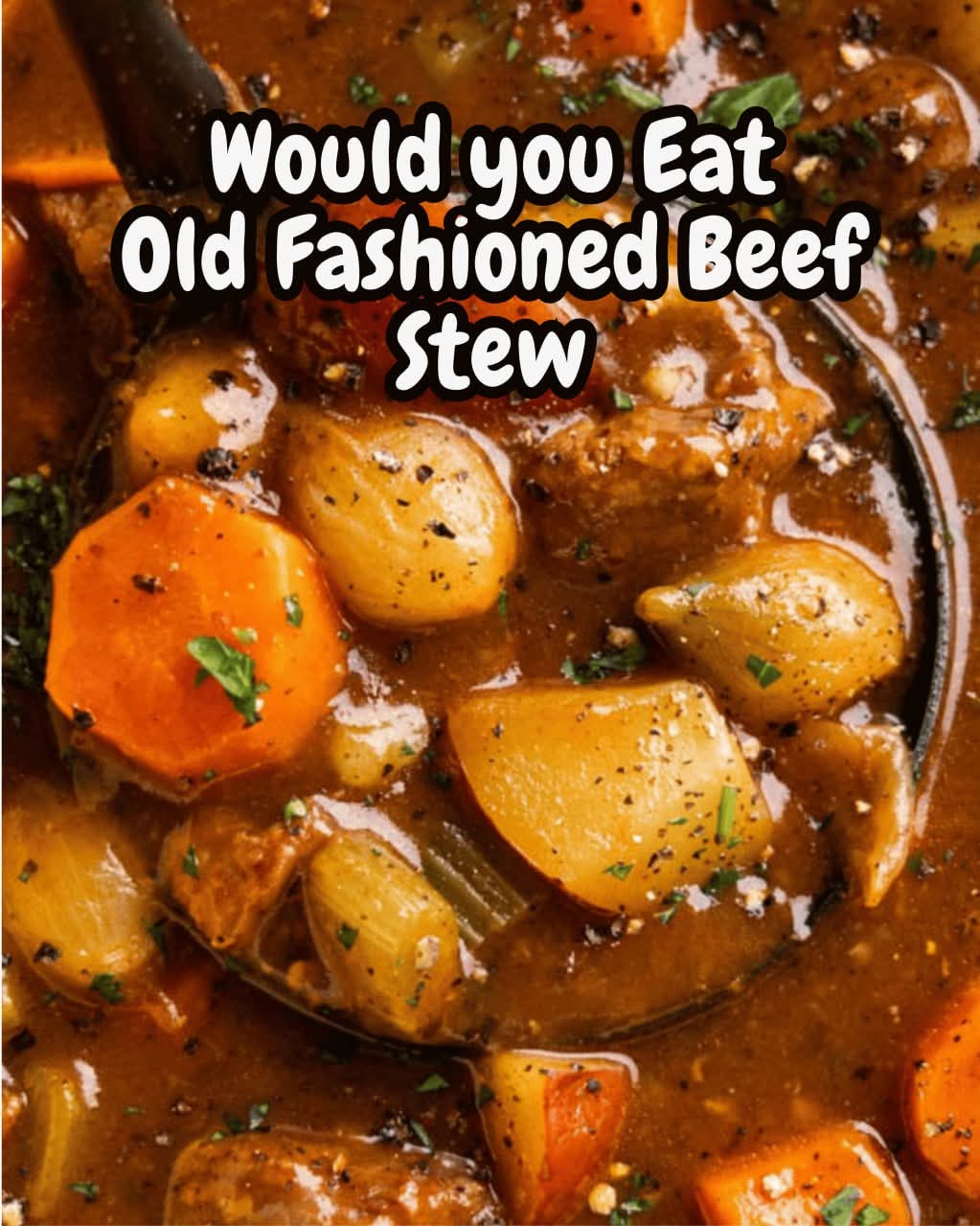
Here is a big, comprehensive guide to making a classic and delicious Beef Stew, complete with everything you requested.
The Ultimate Comfort Food: A Classic Beef Stew
Introduction
There are few dishes in the world that embody the very essence of comfort quite like a bowl of hearty beef stew. It’s the meal that greets you on a cold winter’s night, the dish that slowly simmers on the stove while family and friends gather, filling the home with an irresistible, savory aroma. This isn’t just a recipe; it’s an experience. It’s a medley of tender, melt-in-your-mouth beef, sweet carrots, soft potatoes, and a rich, deeply flavorful broth that has been coaxed to perfection over hours of gentle cooking. This guide will walk you through every step, from the history of this timeless dish to the final, satisfying conclusion, ensuring you create the best beef stew of your life.
A Brief History of Beef Stew
The concept of stew is ancient, dating back to the earliest days of cooking. Before refined pots and ovens, early humans used watertight animal hides or bark baskets to cook food by placing heated stones into the liquid. The fundamental principle was simple: tough cuts of meat, readily available vegetables, and water were combined in a single pot and cooked slowly over a fire. This method tenderized the meat, extracted maximum flavor, and created a nourishing, one-pot meal. From the French “Pot-au-feu” to the Irish stew and the Hungarian goulash, every culture developed its own version. Beef stew, as we know it today, became a staple of home cooking, particularly during the Great Depression and World Wars, as it was an economical way to feed a family using inexpensive cuts of meat and root vegetables.
The Health Benefits of a Hearty Stew
Beyond its soul-warming deliciousness, beef stew is a powerhouse of nutrition, offering a well-balanced meal in a single bowl.
· High-Quality Protein: Beef is an excellent source of complete protein, essential for building and repairing tissues, producing enzymes, and maintaining overall body function.
· Iron and Zinc: Beef is rich in heme iron, which is easily absorbed by the body and crucial for preventing anemia and carrying oxygen in the blood. It also provides a significant amount of zinc, vital for a healthy immune system.
· Vitamins and Fiber: The medley of vegetables—carrots, potatoes, onions, and celery—provides a wealth of vitamins (like Vitamin A from carrots), minerals, and dietary fiber, which aids in digestion and promotes gut health.
· Hydrating and Satisfying: The broth-based nature of the stew contributes to your daily fluid intake, while the combination of protein, fiber, and complex carbohydrates creates a feeling of fullness and satiety, preventing overeating.
—
The Ultimate Classic Beef Stew Recipe
This recipe is designed to be a foolproof guide to creating the perfect stew, with deep, developed flavors and perfectly tender ingredients.
Lovers of This Stew
This stew is for everyone. It’s for the busy parent who needs a reliable, nutritious meal. It’s for the novice cook looking for a rewarding project. It’s for the seasoned chef who appreciates the art of slow cooking. Most importantly, it’s for anyone who craves a hug in a bowl. It’s for the lovers of deep, savory flavor and those who find joy in a meal that tastes even better the next day.
Ingredients
· For Browning the Beef:
· 2 pounds beef chuck stew meat, cut into 1.5-inch cubes
· ½ cup all-purpose flour
· 1 tablespoon seasoning salt (like Lawry’s)
· 1 teaspoon black pepper, freshly ground
· 2-3 tablespoons olive oil, divided
· For the Stew Base:
· 1 large yellow onion, chopped
· 3-4 cloves garlic, minced
· 4 cups beef broth, preferably low-sodium
· 1 cup dry red wine (like Merlot or Cabernet Sauvignon) or an additional cup of beef broth
· 2 tablespoons tomato paste
· 2 bay leaves
· 1 teaspoon dried thyme
· 1 teaspoon Worcestershire sauce
· The Vegetables (added later):
· 4 large carrots, peeled and cut into 1-inch chunks
· 3-4 ribs celery, cut into 1-inch pieces
· 1.5 pounds Yukon Gold or red potatoes, washed and cut into 1.5-inch chunks (no need to peel)
· 1 cup frozen peas
· For the Finish (Slurry):
· 2 tablespoons cornstarch
· 2 tablespoons cold water
· For Garnish:
· 2 tablespoons fresh parsley, chopped
Methods and Instructions: A Step-by-Step Formation
Part 1: Prepare and Brown the Beef (Building the Flavor Foundation)
1. Prepare the Beef: Pat the beef cubes completely dry with paper towels. This is a crucial step for achieving a good sear. In a large bowl, combine the flour, seasoning salt, and black pepper. Add the beef and toss until all pieces are evenly coated. Shake off any excess flour.
2. Sear the Beef: Heat 1 tablespoon of olive oil in a large Dutch oven or heavy-bottomed pot over medium-high heat. Once the oil is shimmering, add the beef in a single layer, making sure not to overcrowd the pot. You will likely need to do this in 2-3 batches. Let the beef brown undisturbed for 3-4 minutes per side, until a deep, golden-brown crust forms. Use a slotted spoon to transfer the browned beef to a plate and set aside. Repeat with the remaining beef, adding more oil as needed.
Part 2: Sauté the Aromatics (The Soul of the Stew)
1. Cook the Onion: After all the beef is browned, you should have some browned bits (fond) stuck to the bottom of the pot. This is pure flavor! Reduce the heat to medium. Add the chopped onion and cook for 4-5 minutes, scraping up those browned bits with a wooden spoon, until the onion is softened and translucent.
2. Add Garlic and Tomato Paste: Add the minced garlic and tomato paste. Cook for another minute, stirring constantly, until the tomato paste darkens slightly and becomes very fragrant.
Part 3: Deglaze and Simmer (The Long, Slow Cook)
1. Deglaze the Pot: Pour in the red wine (or extra broth), scraping the bottom of the pot to release any remaining flavorful bits. Bring to a simmer and let it reduce for about 2-3 minutes.
2. Combine and Simmer: Return the browned beef and any accumulated juices from the plate to the pot. Add the beef broth, bay leaves, dried thyme, and Worcestershire sauce. Stir everything together. Bring the stew to a boil, then immediately reduce the heat to low, cover, and let it simmer gently for 1.5 hours. The liquid should be at a bare simmer, with just a few bubbles breaking the surface.
Part 4: Add Hearty Vegetables (Building the Body)
1. Add Vegetables: After 1.5 hours, the beef should be starting to become tender. Add the carrots, celery, and potatoes to the pot. Stir to combine.
2. Continue Simmering: Re-cover the pot and continue to simmer for another 45 minutes to 1 hour, or until the beef is fork-tender and the vegetables are cooked through.
Part 5: Final Touches and Thickening (The Perfect Finish)
1. Add Peas: Once the meat and vegetables are tender, stir in the frozen peas. They only need a few minutes to heat through.
2. Thicken the Stew (Optional): If you prefer a thicker stew, create a slurry by whisking the cornstarch and cold water together in a small bowl until smooth. Remove the pot from the heat momentarily and stir the slurry into the hot stew. Return to a simmer and cook for 1-2 minutes, stirring gently, until the broth has thickened slightly. Be careful not to break up the vegetables.
3. Final Seasoning: Remove the bay leaves. Taste the stew and adjust seasoning with additional salt and pepper if needed.
4. Garnish and Rest: Stir in the fresh parsley. For the best flavor, let the stew rest for about 10-15 minutes off the heat before serving. This allows the flavors to meld even further.
Serving Suggestions
Ladle the hot stew into deep bowls. Serve it with a chunk of crusty bread for sopping up every last drop of the rich, savory broth. A simple side salad with a bright vinaigrette can also provide a nice contrast.
Nutritional Information (Approximate per serving)
(Note: This is an estimate and will vary based on specific ingredients and portion sizes.)
· Serving Size: About 1.5 cups
· Calories: 450-550
· Protein: 35-40g
· Fat: 15-20g
· Carbohydrates: 35-40g
· Fiber: 5-7g
· Iron: 30-35% of Daily Value
Conclusion
This classic beef stew is far more than the sum of its parts. It is a testament to the magic of slow cooking, a celebration of simple, wholesome ingredients, and a timeless dish that connects us to generations of home cooks. The process of browning, simmering, and seasoning transforms an economical cut of beef into something extraordinarily tender and flavorful. The result is a deeply satisfying, nourishing meal that warms the body and soothes the soul. Whether you are cooking for a crowd or just for yourself, this stew promises comfort in every single spoonful. So, gather your ingredients, take your time, and enjoy the wonderful journey of creating the best beef stew you’ll ever eat. It is a dish made for lovers of good food, and we are certain you will become one of its biggest fans.