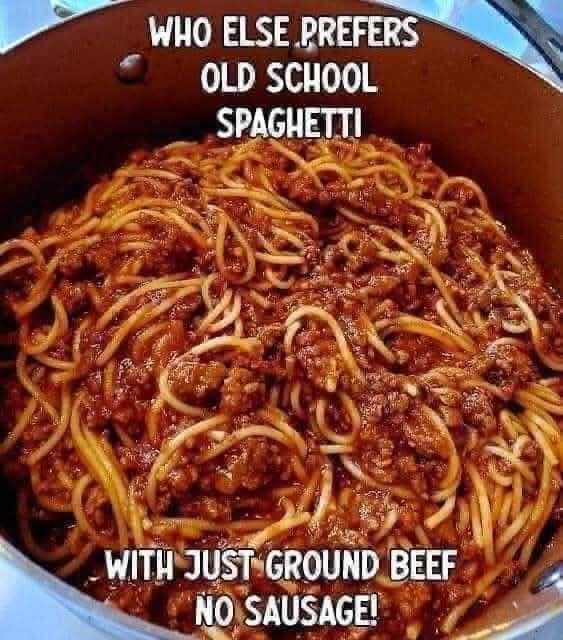
Here is a comprehensive, old-school spaghetti recipe, complete with all the sections you requested. I’ve expanded the simple ingredient list into a full, flavorful meal.
—
A Hearty Homage to Old-School Spaghetti: A Recipe for Comfort & Connection
There’s a certain magic in a plate of old-school spaghetti. It’s not about culinary trends or exotic ingredients. It’s about the aroma of garlic and onions softening in olive oil, the rich, slow-simmered tomato sauce clinging to every spiral of pasta, and the joyful gathering of family and friends around a table laden with comfort. This recipe is an homage to those simple, cherished meals. It’s the spaghetti of your childhood, the one from the church cookbook, the one that says “welcome home” without uttering a word. More than just a dish, it’s a story of simple ingredients, lovingly prepared, creating a memory with every single bite. Let’s bring that timeless tradition to your kitchen tonight.
—
The Story Behind the Sauce: A Brief History
While the combination of pasta and tomatoes is quintessentially Italian-American today, it’s a relatively modern marriage. Pasta itself has ancient origins, with noodles existing in various cultures for millennia. The tomato, native to the Americas, didn’t arrive in Europe until the 16th century and was initially met with suspicion in Italy. It wasn’t until the 18th and 19th centuries that the tomato sauce we know and love began to take hold, particularly in Southern Italy, where it became a cheap and flavorful staple for the poor.
The “old-school spaghetti” we’re celebrating is the dish that truly flourished in the late 19th and early 20th centuries with the great wave of Italian immigration to the United States. Immigrants from Southern Italy and Sicily brought their peasant food traditions, adapting them to the ingredients available in their new home. Canned tomatoes, affordable and available year-round, became the base. Hearty vegetables like bell peppers, cheaper than imported meats, were added for flavor and bulk. Ground beef, more accessible than in the old country, made the sauce a substantial, one-dish meal. This was the food of working-class families—simple, hearty, and deeply satisfying. This recipe is a direct descendant of those resourceful and delicious beginnings.
—
Key Benefits of This Dish
· Ultimate Comfort Food: It’s warm, hearty, and satisfying, providing a sense of nostalgia and well-being.
· Family-Friendly: A guaranteed crowd-pleaser that appeals to both kids and adults. It’s perfect for a weeknight dinner or a casual Sunday gathering.
· Economical & Accessible: Uses simple, affordable ingredients that are readily available at any grocery store.
· Customizable: This recipe is a perfect base. You can easily add your favorite proteins, vegetables, or spices to make it your own.
· Nutritious: Provides a good balance of carbohydrates for energy, protein for muscle repair, and vitamins from the tomato-based sauce and vegetables.
· Great for Leftovers: The flavors deepen and meld overnight, making the leftovers even more delicious.
—
The Formation: From Ingredients to Icon
The magic of this dish happens through a few key stages, a “formation” of flavors:
1. The Foundation (Soffritto): We begin by gently cooking the green bell pepper and onion in olive oil and butter. This process, known as soffritto, softens the vegetables and releases their natural sweetness, creating a flavorful base for the entire sauce.
2. Building Aroma: Adding the garlic next is crucial. Heating it just until fragrant prevents it from burning and turning bitter, ensuring its pungent aroma infuses the oil beautifully.
3. The Flavor Core: Browning the ground beef isn’t just about cooking it; it’s about creating a fond—those delicious browned bits on the bottom of the pot. This is pure, concentrated flavor that will later dissolve into the sauce, adding incredible depth.
4. The Long Simmer: This is the most important step. Adding the tomatoes, herbs, and a little sugar (to balance the acidity) and letting it all simmer gently for at least 30-60 minutes allows the flavors to meld, marry, and mature. The sauce thickens, the raw tomato taste vanishes, and a rich, complex flavor emerges.
5. The Union: Cooking the pasta in well-salted water is the only way to season it from within. Tossing the drained pasta with a bit of sauce before serving ensures every strand or spiral is perfectly coated, not just topped.
—
What Lovers of This Dish Say
· “It tastes just like my grandma used to make. Pure nostalgia in a bowl.”
· “The perfect balance of savory, sweet, and hearty. So simple, yet so perfect.”
· “This is my go-to recipe when I need to feed a crowd on a budget. Everyone always loves it.”
· “The leftovers are a gift. It somehow tastes even better the next day.”
—
Ingredients (Yields 6-8 servings)
· For the Pasta:
· 1 pound (454g) Rotini (Elbow macaroni or spaghetti are excellent substitutes)
· 1 tablespoon Kosher salt (for the pasta water)
· For the Old-School Sauce:
· 2 tablespoons unsalted butter
· 2 tablespoons extra virgin olive oil
· 1 medium yellow onion, finely chopped
· 1 medium green bell pepper, seeded and finely chopped
· 1 tablespoon minced garlic (from a jar, or 3-4 fresh cloves, minced)
· 1 pound (450g) lean ground beef (85/15 is ideal)
· 1 teaspoon kosher salt, plus more to taste
· 1/2 teaspoon freshly ground black pepper
· 1 teaspoon dried oregano
· 1/2 teaspoon dried basil
· 1/4 teaspoon red pepper flakes (optional, for a little heat)
· 1 can (28 ounces) crushed tomatoes
· 1 can (6 ounces) tomato paste
· 1 teaspoon granulated sugar (to cut the acidity)
· 1 bay leaf
· For Serving:
· Freshly grated Parmesan cheese
· Fresh parsley or basil, chopped (for garnish)
—
Step-by-Step Instructions & Methods
1. Start the Sauce: In a large Dutch oven or heavy-bottomed pot, heat the olive oil and butter over medium heat. Once the butter is melted, add the chopped onion and green bell pepper. Cook, stirring occasionally, for 6-8 minutes, until the vegetables have softened.
2. Bloom the Garlic: Add the minced garlic and cook for another minute until fragrant, stirring constantly to prevent it from burning.
3. Brown the Beef: Add the ground beef to the pot. Break it up with a wooden spoon and cook until it’s well browned, about 8-10 minutes. Don’t skip the browning! Season the meat with the 1 teaspoon of salt, pepper, oregano, basil, and red pepper flakes (if using).
4. Build the Sauce: Stir in the tomato paste and cook for 1-2 minutes, until it darkens slightly. Pour in the crushed tomatoes. Fill the empty tomato can with about 1/4 cup of water, swirl it around to get the remaining tomato, and add it to the pot. Add the sugar and bay leaf. Stir everything to combine.
5. The Long Simmer: Bring the sauce to a gentle simmer, then reduce the heat to low. Partially cover the pot and let it simmer for at least 30 minutes, but ideally 45-60 minutes, stirring occasionally. The longer it simmers, the deeper the flavor. If the sauce gets too thick, you can add a splash of water or beef broth.
6. Cook the Pasta: About 15-20 minutes before the sauce is done, bring a large pot of water to a rolling boil. Add the 1 tablespoon of kosher salt. Add the rotini and cook according to package directions until al dente (tender but firm to the bite).
7. Reserve and Drain: Before draining the pasta, reserve about 1 cup of the starchy pasta water. Drain the pasta well.
8. Combine and Serve: Remove the bay leaf from the sauce. Add the drained pasta directly to the pot with the sauce, or return the pasta to its pot and ladle in a generous amount of sauce. Toss everything together, adding a splash of the reserved pasta water if needed to help the sauce coat the pasta nicely.
9. Plate and Enjoy: Serve immediately in warm bowls. Top with a generous shower of freshly grated Parmesan cheese and a sprinkle of fresh parsley or basil.
—
Nutritional Information (Approximate, per serving)
(Based on 8 servings)
· Calories: ~480-550
· Protein: ~25-30g
· Fat: ~18-22g
· Carbohydrates: ~55-65g
· Fiber: ~6-8g
· Sugar: ~12-15g
· Sodium: ~700-900mg (can be reduced by using no-salt-added tomatoes)
Note: This is an estimate and can vary based on specific ingredients and portion sizes.
—
In Conclusion: A Dish to Share
This old-school spaghetti is more than just a recipe; it’s an experience. It’s the anticipation as the sauce simmers on the stove, the sound of pasta being twirled onto forks, and the satisfied smiles around the table. It’s a dish that nourishes not just the body, but also the spirit, connecting us to our past and to the people we share it with. So, gather your loved ones, pour a glass of red wine, and enjoy this timeless classic. It’s simple, it’s satisfying, and it’s made with love—just as it should be.