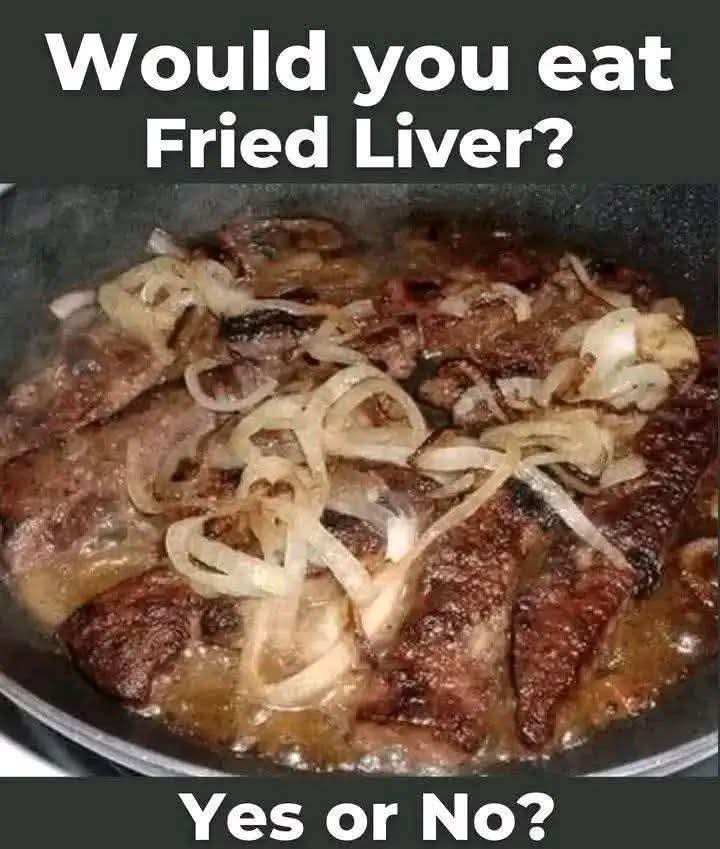
Here is a comprehensive guide to the classic dish, Fried Liver and Onions.
—
Introduction: A Dish of Substance
Fried liver and onions is far more than just a meal; it is a culinary tradition, a nostalgic memory for many, and a powerhouse of nutrition. This dish, often associated with “meat and potato” dinners of the mid-20th century, has sustained generations with its robust flavor and incredible health benefits. While it has fallen out of fashion in some circles, true food lovers know that when prepared correctly, liver transforms into a tender, savory delicacy. The key lies in the preparation: soaking the liver to mellow its strong flavor, and slow-cooking sweet, caramelized onions to create a rich gravy that perfectly complements the meat’s earthy depth. This recipe honors the old-school method, delivering a plate that is both comforting and sophisticated.
A Taste of History
The practice of eating organ meats, or “offal,” dates back to our earliest ancestors, who practiced “nose-to-tail” eating out of respect and necessity. Liver, in particular, has always been prized. In ancient Egypt, it was a delicacy, and throughout Roman and Medieval European history, it was a staple for peasants and a treat for nobles. The classic combination of liver with onions became popular in the 19th and 20th centuries as a way to make the strong-flavored, inexpensive cut more palatable. The sulfurous compounds in onions, when cooked, break down into sugars that caramelize, creating a sweet counterpoint to the mineral-rich liver. It became a cornerstone of “meat and two veg” cuisine, a reliable, affordable, and iron-rich meal for families around the world, from American diners to British cafes and German bistros.
Why Lovers Love It (The Benefits)
· The Flavor Profile: For those who appreciate it, the taste is unparalleled—a unique, mineral-rich savoriness (often described as “iron-like”) that is deeply satisfying and pairs perfectly with sweet, soft onions.
· Nutritional Powerhouse: Liver is one of the most nutrient-dense foods on the planet.
· Packed with Iron: It is an exceptional source of heme iron, the type most easily absorbed by the body, making it a crucial food for preventing anemia.
· Vitamin A Powerhouse: A single serving provides far more than the daily requirement of Vitamin A, essential for healthy vision, immune function, and skin.
· B Vitamin Complex: It is loaded with B12, B6, and folate, which are vital for energy production, brain function, and forming red blood cells.
· Comfort Food Status: It represents a connection to the past, a taste of home cooking that is simple, hearty, and deeply comforting.
The Recipe: Old-School Fried Liver with Onions
This recipe focuses on technique to ensure tender, flavorful liver and perfectly jammy onions.
Formation (Yields: 4 Servings)
· Prep time: 15 minutes (+ 30 minutes soaking)
· Cook time: 20 minutes
Ingredients
· For the Liver:
· 1 lb (450g) beef or calf liver, sliced about ½-inch thick
· 2 cups whole milk (or buttermilk), for soaking
· 1 cup all-purpose flour
· 1 tsp salt
· ½ tsp black pepper
· ½ tsp paprika (optional, for a little warmth)
· 2 tbsp olive oil or bacon fat, for frying
· 2 tbsp butter, for frying
· For the Onions:
· 2 large yellow or sweet onions, halved and thinly sliced
· 2 tbsp butter
· 1 tbsp olive oil
· Salt, to taste
· ½ cup beef or chicken broth
· 1 tbsp fresh parsley, chopped (for garnish)
Instructions / Method
Step 1: The Preparation (Taming the Liver)
· Rinse the liver slices under cold water. Place them in a shallow dish and pour the milk over them, ensuring they are fully submerged. This step, lasting at least 30 minutes (or up to 2 hours in the fridge), draws out impurities and mellows the liver’s strong flavor, resulting in a milder, more tender final dish.
· While the liver soaks, prepare your onions.
Step 2: The Foundation (Caramelizing Onions)
· In a large skillet (preferably cast-iron or stainless steel), heat 2 tbsp of butter and 1 tbsp of olive oil over medium heat.
· Add the sliced onions and a generous pinch of salt. Cook slowly, stirring occasionally. This is the most important step—do not rush. You want them to become soft, golden brown, and sweet. This will take about 15-20 minutes.
· Once caramelized, use a slotted spoon to transfer the onions to a bowl and set aside. Leave any fond (browned bits) in the pan for extra flavor.
Step 3: The Coating
· Drain the liver slices and pat them extremely dry with paper towels. Moisture is the enemy of a good sear.
· On a large plate or shallow dish, combine the flour, salt, pepper, and paprika.
· Dredge each slice of liver in the seasoned flour, shaking off any excess. You want a light, even coating.
Step 4: The Sear (Cooking the Liver)
· Place the same skillet you used for the onions back over medium-high heat. Add the 2 tbsp of olive oil (or bacon fat) and 2 tbsp of butter. Let it get hot and sizzling.
· Carefully place the floured liver slices in the hot pan in a single layer, being careful not to overcrowd. You may need to do this in two batches.
· Cook for just 2-3 minutes per side. The liver is done when the outside is nicely browned and the inside is still slightly pink (for beef liver). Overcooking is the number one mistake; it turns the liver tough and grainy. Calf’s liver will cook even faster. Cook just until the center feels slightly firm to the touch.
· Transfer the cooked liver to a clean plate and tent loosely with foil to keep warm.
Step 5: The Finale (Bringing it Together)
· Pour the broth into the hot skillet. Using a wooden spoon, scrape up all the delicious browned bits from the bottom (this is called deglazing).
· Let the broth simmer and reduce by half, about 2-3 minutes.
· Return the caramelized onions to the pan and stir to coat them in the savory gravy.
· Return the liver to the pan for just a minute to warm through, spooning the onions and gravy over the top.
Conclusion
Fried liver and onions is a dish that demands an open mind and rewards it with incredible flavor and profound nutrition. It is a testament to the wisdom of traditional cooking, where humble ingredients are transformed through simple techniques into something truly special. Whether it’s a “yes” or a “no” for you, there’s no denying its place in culinary history and its value at the dinner table. For its lovers, it’s not just food; it’s a memory, a comfort, and a vital connection to the past.
To the Lovers
This one’s for you—the ones who remember your grandmother’s cast-iron skillet, the ones who know the magic of liver so tender it melts in your mouth with sweet, buttery onions. You understand that this dish is a badge of honor, a sign of a palate that appreciates deep, complex, and honest flavors. Enjoy every bite. It’s a classic for a reason.