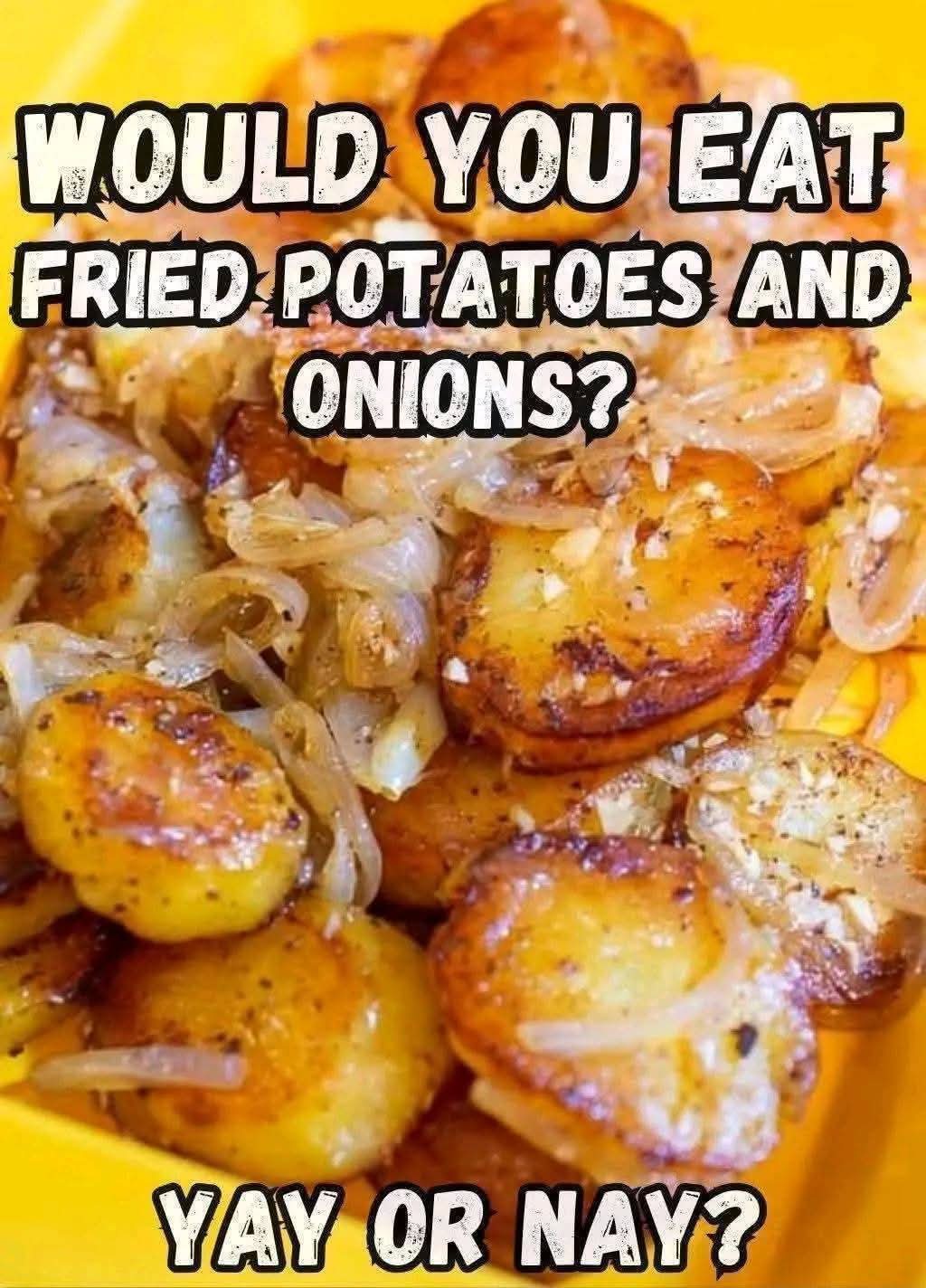
Here is a comprehensive guide to making delicious Fried Potatoes and Onions, complete with all the sections you requested.
—
The Humble Hero: A Love Letter to Fried Potatoes and Onions
Let’s settle this once and for all: ABSOLUTELY YES! 🥔🧅
There is a reason this simple combination has transcended cultures, generations, and culinary trends to become a universal symbol of comfort food. It’s the smell that drifts from a kitchen on a cool autumn evening, the satisfying sizzle that promises a hearty meal, and the golden, crispy, and sweet perfection on your plate. This isn’t just a side dish; for many, it is the main event.
This recipe is for everyone—from the novice cook looking for a foolproof win to the seasoned chef who understands that true genius often lies in simplicity. We will explore not just how to make them, but the rich history and surprising benefits behind this iconic duo. So, grab your apron and a good knife, and let’s pay homage to the humble hero of the kitchen.
—
The Big Recipe: Classic Crispy Fried Potatoes & Onions
This recipe focuses on achieving the perfect texture: crispy, golden-brown potatoes with sweet, caramelized onions.
Ingredients
· Potatoes: 4 medium-sized Russet or Yukon Gold potatoes (about 2 lbs). Russets are starchy and get fluffy on the inside and crispy on the outside. Yukon Golds are a bit waxy and buttery, holding their shape well.
· Onion: 1 large yellow or sweet onion. Yellow onions are the all-purpose workhorse, while sweet onions (like Vidalia) will caramelize beautifully.
· Fat for Frying: 3-4 tablespoons. You have excellent options:
· Classic: Vegetable oil, canola oil, or bacon grease (for an incredible smoky flavor).
· Rich: Butter (or a mix of butter and oil to prevent burning).
· Fruity: Olive oil.
· Seasoning: 1 teaspoon salt (plus more to taste), 1/2 teaspoon freshly ground black pepper. Optional but recommended: 1/2 teaspoon smoked paprika or garlic powder.
· Garnish: Fresh parsley or chives, chopped.
Instructions (Step-by-Step Method)
1. Prep the Potatoes: Wash and scrub your potatoes. You can peel them for a softer texture or leave the skin on for extra crispiness and nutrients. Cut them into uniform, 1/2-inch to 3/4-inch cubes. Uniformity is key for even cooking.
2. The Soak (Secret to Crispiness): Place the cut potatoes in a large bowl and cover them with cold water. Let them soak for at least 30 minutes (or up to overnight in the fridge). This step removes excess starch, which is the main culprit for soggy potatoes. Drain them and pat them extremely dry with a clean kitchen towel or paper towels. Any water will cause the oil to spit and prevent browning.
3. Prep the Onion: Peel the onion and cut it into a similar-sized dice as the potatoes. This ensures they cook at the same rate.
4. Heat the Pan: Choose a large, heavy-bottomed skillet (cast iron is ideal). Place it over medium-high heat and add your chosen fat. Let it get hot until the oil shimmers.
5. Sauté the Potatoes: Carefully add the dry potatoes to the hot pan in a single layer. Don’t overcrowd the pan; if necessary, cook in two batches. Let them cook undisturbed for 4-5 minutes to develop a deep golden-brown crust on one side.
6. Add the Onions: Stir the potatoes, then add the diced onions to the pan. Season with salt, pepper, and any other spices.
7. Continue Cooking: Continue to cook for another 10-15 minutes, stirring occasionally but not too often. You want every side of the potato to get a chance to brown and the onions to soften and turn a beautiful, sweet, caramelized golden color.
8. Check for Doneness: The potatoes are done when they are tender all the way through (test with a fork) and beautifully crisp on the outside. The onions should be soft, sweet, and lightly browned.
9. Finish and Serve: Taste and adjust seasoning with more salt and pepper if needed. Garnish with fresh parsley or chives and serve immediately.
—
The History of a Perfect Pairing
The story of fried potatoes and onions is the story of global food itself. The potato, originating in the Andes of South America, made its way to Europe in the 16th century. The onion is one of the oldest cultivated vegetables, with origins in Central Asia. Their destinies collined in the peasant kitchens of Europe, particularly in Ireland, England, and France. They were cheap, filling, and available year-round when stored in a root cellar. This dish was a staple for working-class families, a hearty meal that could be stretched to feed many. From the British “bubble and squeak” to the classic American diner breakfast hash, this simple combination became a cornerstone of comfort food across the Western world, a testament to how necessity can birth the most enduring culinary traditions.
—
The (Unexpected) Benefits
While it’s a comfort food, this dish offers more than just satisfaction.
· Nutritional Value: Potatoes are a fantastic source of Vitamin C, potassium, and fiber (especially with the skin on). Onions are packed with antioxidants, particularly quercetin, which has anti-inflammatory properties.
· Mood Booster: The complex carbohydrates in potatoes can help increase the production of serotonin, a feel-good brain chemical. The comforting nature of the dish itself is a powerful psychological boost.
· Versatility: It forms a perfect base for a meal. Add leftover meat, top with a fried egg, or toss with some greens to make it a complete and balanced dish.
· Economical and Accessible: It’s one of the most affordable and easy-to-find meals you can make, proving that you don’t need expensive ingredients to eat well.
—
Formation: How the Magic Happens
The magic of this dish lies in the transformation of two simple ingredients through heat and fat. The Maillard reaction—a chemical reaction between amino acids and reducing sugars—is responsible for the browning and the deep, savory flavor on the potatoes. Simultaneously, the onions undergo caramelization, where their natural sugars break down under heat, turning them from pungent and sharp to mellow, sweet, and jammy. The key is managing the heat so the potatoes have time to cook through and crisp up without burning, allowing the onions to slowly release their sweetness and meld with the savory potatoes.
—
Nutrition (Approximate, per serving)
· Serving size: ~1 cup
· Calories: 200-280
· Fat: 10-15g
· Carbohydrates: 30-35g
· Fiber: 3-4g
· Protein: 4-5g
· Potassium: ~700mg
(Note: Nutritional values will vary greatly depending on the type and amount of fat used.)
—
For the Lovers
This dish is for the lovers of:
· Simplicity: Those who believe the best food doesn’t need to be complicated.
· Comfort: Anyone seeking a warm, nostalgic, and satisfying meal.
· Breakfast for Dinner: It’s a cornerstone of any great brunch or breakfast-for-dinner spread.
· Texture: The delightful contrast between a crispy potato exterior and a fluffy interior, alongside soft, sweet onions.
· Budget-Friendly Cooking: Anyone who appreciates making a delicious and filling meal from modest ingredients.
—
Conclusion: The Dish That Brings Us Together
From a simple necessity in ancient root cellars to a beloved staple on modern tables, fried potatoes and onions have earned their place in culinary history. It’s more than just a recipe; it’s a feeling. It’s the taste of home, the promise of a simple pleasure, and a dish that connects us to cooks and families across centuries and continents. So next time you’re wondering what to make, remember the humble hero. It’s simple, it’s perfect, and it’s always, always a good idea.
So, would you eat fried potatoes and onions?
(YES! The answer is always YES!)