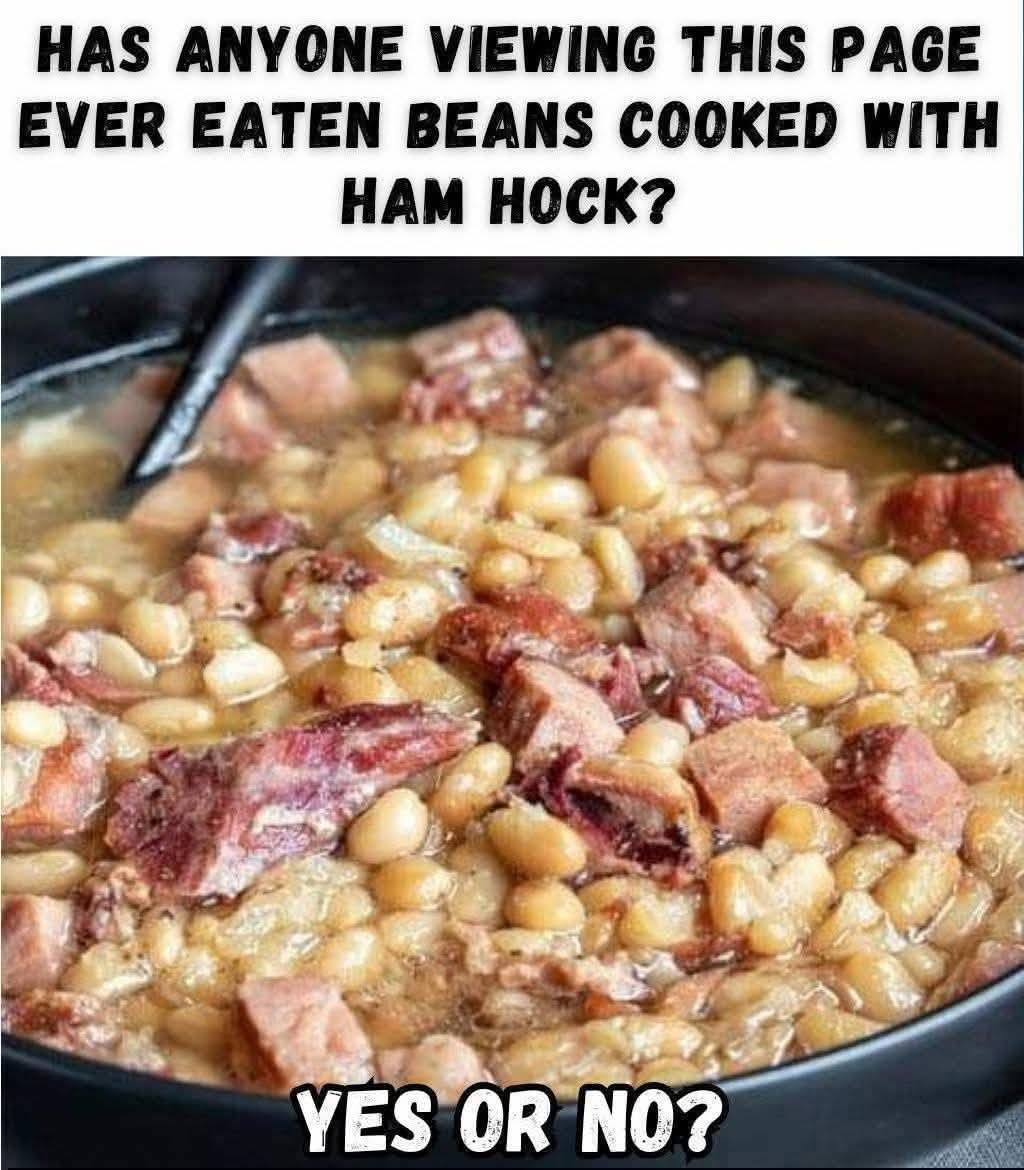
Here is a comprehensive guide to creating an unforgettable, old-school Ham and Bean Soup, complete with all the sections you’ve requested.
—
The Ultimate Old-School Ham and Bean Soup: A Bowl of Comfort
There are few things as soul-satisfying as a steaming bowl of old-school Ham and Bean Soup. It’s the meal that grandmothers would have simmering on the back of the stove all day, filling the house with an aroma that promised warmth and contentment. This isn’t just a soup; it’s a rustic, hearty hug in a bowl. It’s a testament to simple, humble ingredients—a smoky ham hock, creamy navy beans, and aromatic vegetables—that, when given time and care, transform into something truly magical. Don’t just make a soup; create a memory. Don’t lose this recipe!
—
The Recipe: Smoky, Creamy, and Perfect
This recipe focuses on building deep, layered flavor for the best ham and bean soup you’ve ever tasted.
Ingredients
· The Base:
· 1 lb (about 2 cups) dried navy beans or Great Northern beans
· 1 tbsp olive oil or bacon fat (for the best flavor)
· 1 large yellow onion, finely chopped
· 2 large carrots, peeled and diced
· 2 celery stalks, diced
· 3 cloves garlic, minced
· The Star:
· 1.5 to 2 lbs meaty smoked ham hock or ham shank (or 2 cups diced leftover ham + 1 ham hock for the bone)
· The Liquid & Aromatics:
· 6 cups low-sodium chicken broth or water
· 1 bay leaf
· 1 tsp dried thyme
· Salt and freshly ground black pepper, to taste
· The Secret Weapons (for next-level flavor, as promised):
· 1 Parmesan rind (from a wedge of Parmesan cheese)
· 1 tbsp apple cider vinegar (added at the end)
Instructions & Methods
1. Prep the Beans (The Night Before – Optional but Recommended): Rinse and pick over the beans, removing any debris. Place them in a large bowl and cover with cold water by at least 2 inches. Let them soak overnight. For a quick-soak method, bring beans and water to a boil for 2 minutes, then remove from heat, cover, and let sit for 1 hour. Drain and rinse before using.
2. Sauté the Aromatics: In a large Dutch oven or heavy-bottomed pot, heat the olive oil or bacon fat over medium heat. Add the onion, carrots, and celery (the “holy trinity” of soup-making). Sauté until softened, about 8-10 minutes. Add the minced garlic and cook for another minute until fragrant.
3. Build the Broth: Add the drained beans, ham hock(s), chicken broth, bay leaf, and thyme to the pot. This is where the first tip comes in: Toss in that Parmesan rind. It won’t melt; it will slowly infuse the broth with an incredible, savory umami depth that takes the soup from good to “can’t-stop-eating-it.”
4. Simmer to Perfection: Bring the soup to a boil, then reduce the heat to low, cover, and let it simmer gently. Simmer for 2 to 3 hours, or until the beans are creamy and tender and the meat is falling off the bone. Stir occasionally, scraping the bottom to prevent sticking.
5. Remove and Shred: Carefully remove the ham hock(s) and the Parmesan rind (discard the rind). If you used a ham hock, let it cool slightly, then shred all the tender meat, discarding any skin, fat, and bones. If you used a ham shank, do the same. Return the shredded ham to the pot.
6. The Final Transformation: For a creamier texture, you can mash some of the beans against the side of the pot with a spoon or use an immersion blender for just a few pulses. This will thicken the soup beautifully without making it a puree.
7. The Second Secret Weapon: Stir in the apple cider vinegar. This is a crucial step! Just before serving, the vinegar brightens all the flavors and cuts through the richness of the pork, adding a subtle tang that makes the soup sing.
8. Season and Serve: Taste the soup and season generously with salt and pepper. Remember that the ham is salty, so wait until the end to adjust. Serve hot with crusty bread or a side of cornbread for dipping.
—
The History: A Humble Beginning
Ham and bean soup is a classic dish born of frugality and necessity, with roots in many cultures. Its direct American lineage can be traced back to the colonial era and the introduction of the humble bean, a staple crop. For centuries, beans were a primary source of protein, especially for those who couldn’t afford fresh meat daily. The soup evolved as a way to stretch a small amount of meat—often the bony, smoky, leftover ham hock that would otherwise be discarded—into a filling, nutritious meal for the whole family. It was a “wash-day” soup, left to simmer for hours over a low fire while the housework was done, and it remains a cornerstone of Southern and Appalachian cuisine, a symbol of turning simple provisions into a feast.
The Benefits: Why You Should Make This
· Nutritional Powerhouse: This soup is incredibly well-balanced. Beans are packed with plant-based protein, complex carbohydrates for sustained energy, and loads of soluble fiber, which is great for heart health and digestion. The ham provides additional protein and essential minerals like iron and zinc, while the carrots and celery offer a dose of vitamins A and K.
· Economical & Feeds a Crowd: Using inexpensive, dried beans and a single, affordable ham hock, you can create a massive pot of soup that will feed a family for days or be perfect for meal prep.
· Budget-Friendly Feels Gourmet: Despite the low cost, the slow simmering process and simple ingredients create a deeply complex and luxurious flavor that feels like a special occasion.
· Better the Next Day: Like all great soups, the flavors meld and deepen overnight, making the leftovers even more delicious than the first serving.
The Formation: From Simple to Sublime
The “formation” of this soup’s flavor is a beautiful chemical process. The long, slow simmer is key. It allows the collagen from the ham hock to break down into gelatin, which enriches the broth, giving it a silky, full-bodied mouthfeel. Simultaneously, the starches from the beans are released, naturally thickening the soup. The smoky, salty flavor of the ham permeates every bean and vegetable, creating a cohesive, savory base. The initial sauté (the mirepoix of onion, carrot, and celery) forms an aromatic foundation, while the late addition of vinegar adds a final, bright note that balances the whole composition. It’s a perfect example of how time and technique transform raw ingredients into something far greater than the sum of their parts.
For the Lovers… of All Things Comforting
This soup is for the lovers of:
· Slow Food: Anyone who appreciates the process of letting a pot simmer all day, filling the home with anticipation.
· Nostalgia: Those who seek the familiar, comforting flavors of their childhood or a bygone era.
· Rustic, Honest Food: Folks who prefer a hearty, unpretentious meal over fussy, complicated dishes.
· Resourceful Cooking: Anyone who loves the challenge and reward of making a magnificent meal from humble, simple ingredients.
· Cold Weather: It is the ultimate antidote to a chilly, rainy, or snowy day.
Nutrition (Approximate per serving, based on 8 servings)
· Calories: 350-450
· Protein: 25-30g
· Fat: 10-15g (mostly from the ham)
· Carbohydrates: 40-50g
· Fiber: 12-15g
· Sodium: Varies greatly based on the saltiness of the ham and broth; can be high, so use low-sodium broth and season at the end.
Conclusion: A Legacy in a Bowl
This old-school Ham and Bean Soup is far more than just a meal; it is a legacy. It’s a connection to generations past who understood the value of a warm, filling, and lovingly prepared dish. By following this recipe and embracing its slow, thoughtful methods, you are not just making soup. You are continuing a tradition of comfort, resourcefulness, and deep, satisfying flavor. So, take your time, use those secret tips, and serve up a bowl of pure, unadulterated comfort. You’ll understand why this is a recipe worth holding onto.