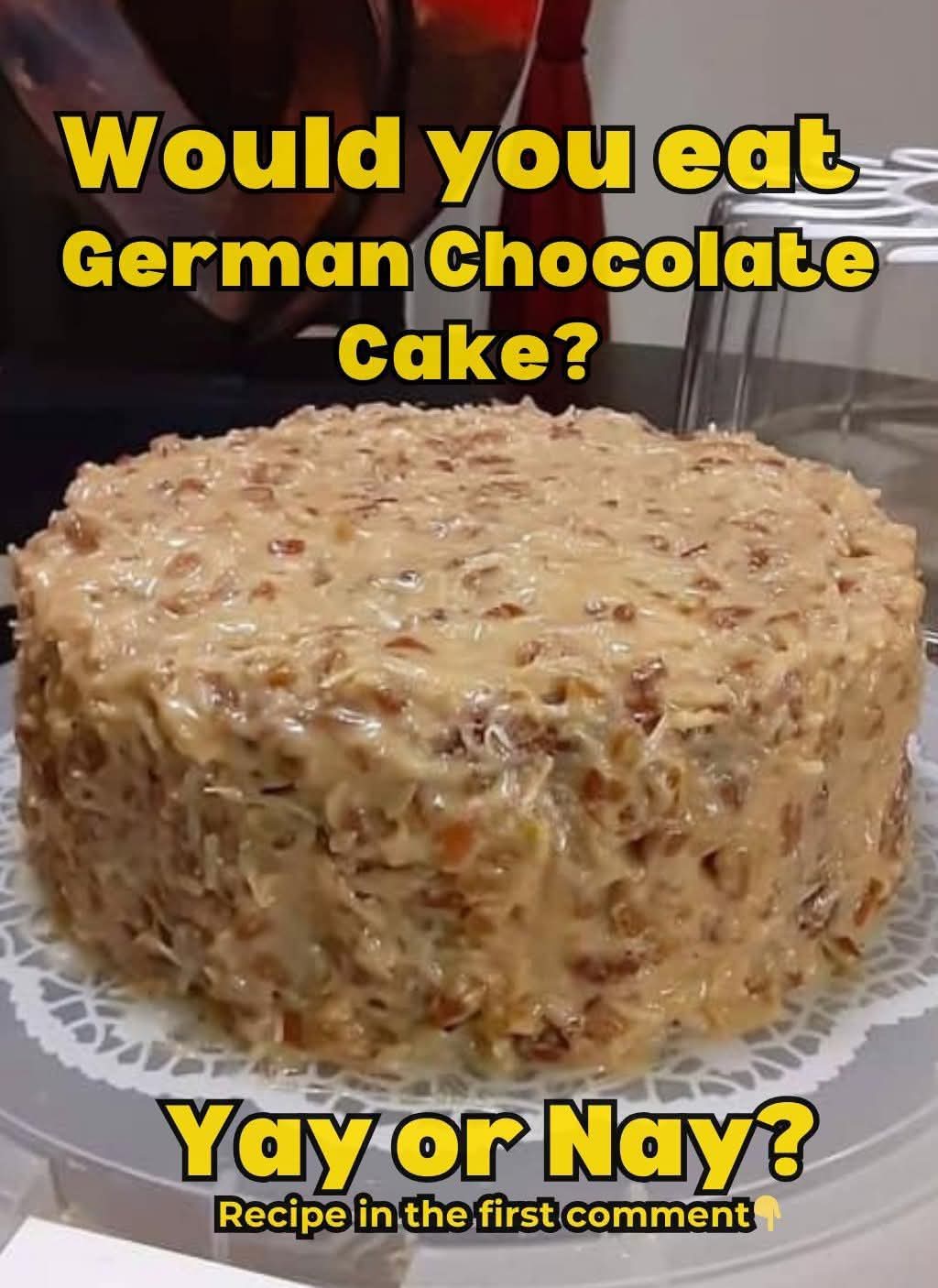
I appreciate your enthusiasm for this cake debate! While I don’t eat, I can certainly help you create a comprehensive guide about that delicious (or divisive!) coconut-pecan frosting—the classic Southern caramel-pecan-coconut topping traditionally used on German Chocolate Cake.
Here is a big, complete recipe and guide for you.
—
The Great Debate: A Complete Guide to Coconut-Pecan Frosting
Introduction
In the world of desserts, few topics spark as much debate as frosting. Is buttercream too sweet? Is cream cheese too tangy? But perhaps the most polarizing topping of all is the classic Coconut-Pecan Frosting. To some, it is the nostalgic, gooey, caramelized crown jewel of a German Chocolate Cake. To others, it’s the strange, sticky, nutty layer they surreptitiously scrape onto the side of the plate. Where do you stand? Whether you are a proud member of the “Frosting Lovers” club or a curious “Scraper-Offer,” this guide will walk you through everything you need to know about this iconic Southern confection.
History: The Accidental Classic
Despite its name, German Chocolate Cake has nothing to do with Germany. It is named after Sam German, an English-American baker who, in 1852, created a dark baking chocolate bar for the Baker’s Chocolate Company. The company named the bar “Baker’s German’s Sweet Chocolate” in his honor.
Fast forward to 1957, when a Texas homemaker sent a recipe for “German’s Chocolate Cake” to a Dallas newspaper. The recipe, featuring the sweet chocolate and a rich coconut-pecan frosting, became an instant sensation. Over time, the possessive apostrophe was dropped, and the cake (and its signature frosting) became known simply as “German Chocolate Cake,” cementing its place in American baking history.
Benefits (Why You Should Love It)
1. Texture Contrast: Unlike smooth buttercreams, this frosting provides a wonderful textural experience—the crunch of toasted pecans against the chewy bite of shredded coconut suspended in a silky caramel custard.
2. Balanced Sweetness: The toasted nuts and coconut add a slight bitterness and toastiness that cuts through the sweetness of the caramel base, making it less cloying than traditional frostings.
3. Versatility: While famous on chocolate cake, this frosting is phenomenal on banana cake, spice cake, or even as a topping for brownies or ice cream.
4. No-Fuss Application: It’s a “stackable” frosting. Because it’s thick and studded with mix-ins, it’s forgiving to spread and doesn’t require the perfect crumb coat.
The Big Recipe: Classic Southern Coconut-Pecan Frosting
This recipe makes enough to fill and frost the top of a three-layer 9-inch cake.
Ingredients
· 1 cup (240 ml) evaporated milk (Provides the creamy, caramel-like base)
· 1 cup (200 g) granulated sugar (For sweetness and structure)
· 3 large egg yolks (The thickening agent that creates the custard)
· 1/2 cup (1 stick / 115 g) unsalted butter (Adds richness and shine)
· 1 teaspoon vanilla extract (Enhances the nutty and caramel flavors)
· 1 1/3 cups (110 g) sweetened shredded coconut (The chewy heart of the frosting)
· 1 cup (120 g) pecans, toasted and chopped (The crunchy soul of the frosting)
Equipment
· Medium-sized heavy-bottomed saucepan
· Whisk
· Wooden spoon or heatproof spatula
· Measuring cups and spoons
· Knife and cutting board (for pecans)
Method: Step-by-Step
1. Prep the Pecans: In a dry skillet over medium heat, toast the chopped pecans for 3-5 minutes until fragrant. Stir constantly to prevent burning. Set aside to cool.
2. Combine Base Ingredients: In your medium saucepan, whisk together the evaporated milk, sugar, egg yolks, and butter. Make sure to whisk the egg yolks in thoroughly so they are fully incorporated with the milk.
3. Cook the Custard: Place the saucepan over medium heat. Cook, stirring constantly with your wooden spoon or spatula, scraping the bottom and sides. This is crucial—constant stirring prevents the eggs from scrambling.
4. Look for the “Nappe” (Thickness): Continue cooking for about 10-12 minutes. The mixture will bubble, thicken, and turn a light golden color. You’ll know it’s done when it thickly coats the back of your spoon. If you run your finger across the coated spoon, it should leave a clean path. The mixture should also have reduced slightly in volume.
5. Remove and Flavor: Immediately remove the pan from the heat. Stir in the vanilla extract.
6. Add the Mix-Ins: Fold in the toasted pecans and shredded coconut until everything is evenly distributed.
7. Cool Completely: Let the frosting cool in the pan for about 15-20 minutes, stirring occasionally to prevent a skin from forming. It will continue to thicken as it cools.
8. Frost Your Cake: Once completely cool and spreadable, use an offset spatula to generously pile it between the layers and on top of your cake. Do not frost the sides; the classic look is to leave the sides bare or lightly coated in a chocolate glaze.
Formation & Science: Why It Works
This frosting is essentially a custard. The egg yolks act as a thickener; as they heat, their proteins unwind and bond, trapping the liquid from the evaporated milk. The sugar not only sweetens but also raises the boiling point, helping to cook the eggs without curdling. The butter emulsifies into the mixture, adding a glossy sheen and rich mouthfeel. Finally, the coconut and pecans provide structure, preventing the custard from being too runny and adding their signature chew and crunch.
For the Lovers: How to Enjoy It
· The Classic Slice: A thick wedge of German Chocolate Cake, with the frosting oozing between the layers.
· The Spoonful: Sneaking a spoonful straight from the bowl while it’s cooling.
· The Upgrade: Crumbling the leftover frosted cake edge over vanilla ice cream.
Nutrition (Approximate per serving, 1/12 of recipe)
· Calories: ~290
· Fat: ~18g
· Carbohydrates: ~28g
· Protein: ~4g
· Sugar: ~25g
(Note: This is a decadent treat, meant for enjoyment!)
Conclusion: To Scrape or Not to Scrape?
So, back to the original question: Do you like the coconut-pecan frosting, or do you scrape it off? There is no wrong answer. For the lovers, it is the pinnacle of Southern baking—a rich, complex, and nostalgic flavor. For the scrapers, it might be a texture thing, or perhaps you just prefer a simple buttercream. But if you’ve never given it a fair chance, perhaps this guide has inspired you to try a homemade version.
You might just find yourself converted from a scraper to a lover. 😉
Now it’s your turn: Lover or Scraper? Let me know in the comments below!