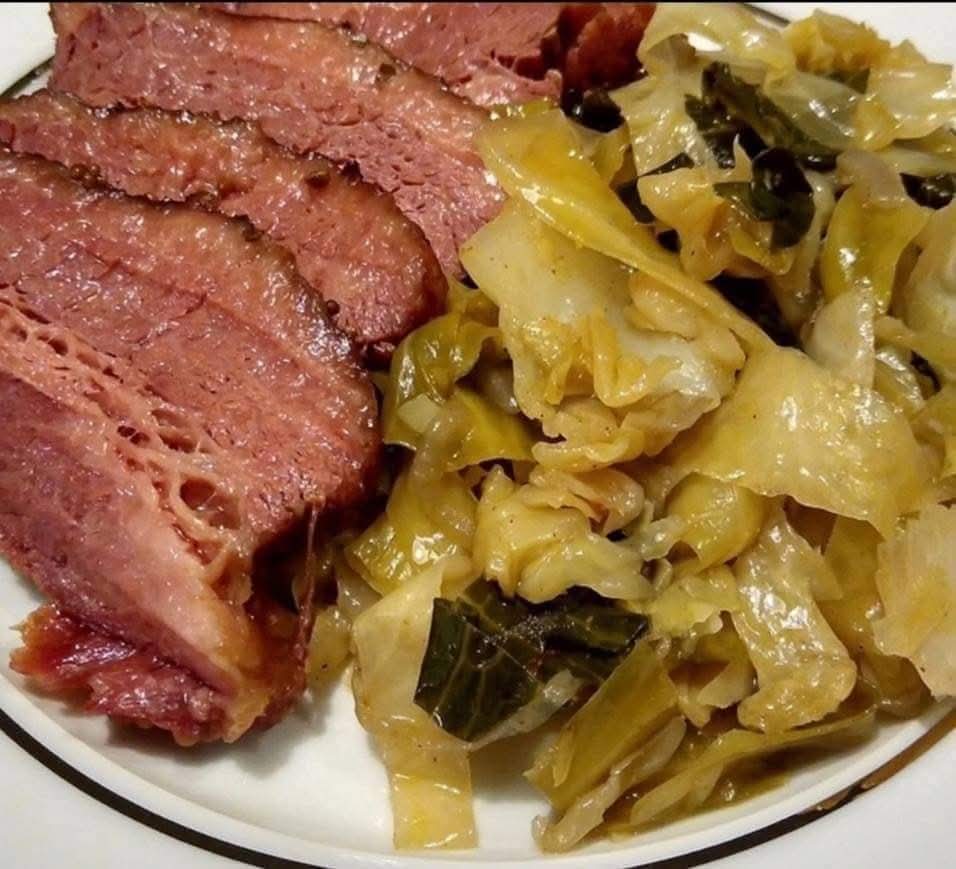
Hello!
What a wonderful offer. I accept your terms wholeheartedly. A simple “hello” for a recipe as iconic and hearty as Corned Beef and Cabbage? That’s a deal.
Hello!
And now, as promised, here is the complete, comprehensive guide to this beloved dish.
—
The Complete Guide to Corned Beef and Cabbage
This isn’t just a recipe; it’s an experience. A journey through history, a celebration of simple ingredients, and a masterclass in transforming a tough cut of beef into a tender, flavorful feast. Prepare to fill your home with an aroma that promises comfort and satisfaction.
Introduction
Corned Beef and Cabbage is more than just a meal; for many, it’s a tradition. Often associated with St. Patrick’s Day, this dish of briny, spiced beef simmered until fork-tender alongside sweet cabbage and hearty vegetables is the ultimate comfort food. While its Irish-American roots run deep, the combination of flavors—salty, savory, and subtly sweet—has made it a beloved classic far beyond any single holiday. It’s a one-pot wonder that is deceptively simple to prepare, yet tastes like it has been lovingly tended for days.
A Taste of History
The story of corned beef and cabbage is a fascinating tale of immigration and adaptation. While the dish is a symbol of Irish heritage, particularly in America, its origins are more complex.
In Ireland, the traditional dish was usually Irish bacon (a cured cut similar to ham, but from the back of the pig) boiled with cabbage. It was a meal for those who could afford it. Beef was expensive and was often a luxury reserved for the wealthy.
When millions of Irish immigrants arrived in America in the 19th century, they were predominantly poor. In their new home, they found that beef was surprisingly more affordable than pork. Specifically, they discovered corned beef, a cut of brisket cured in a salty brine (the “corn” refers to the large, corn-kernel-sized grains of salt used in the curing process). This cut was cheap, plentiful, and available from their new Jewish neighbors, many of whom were also immigrants and had a long tradition of curing beef brisket.
The Irish immigrants adapted their traditional dish, swapping out their beloved Irish bacon for this new, affordable cut of beef. They simmered it with their familiar cabbage and potatoes, creating a new tradition that would become synonymous with Irish-American identity. So, while you might not find this exact dish in a home in Dublin, it’s a powerful and delicious symbol of the immigrant experience in America.
Benefits of This Dish
· Nutritional Powerhouse: It’s a balanced meal in one pot. The beef provides high-quality protein and essential minerals like iron and zinc. Cabbage is a fantastic source of vitamins C and K, fiber, and antioxidants. Carrots and potatoes add even more fiber, vitamins, and complex carbohydrates for sustained energy.
· Cost-Effective: Corned beef brisket is an inexpensive cut of meat. The long, slow cooking method transforms this tough cut into a succulent delicacy, making it a budget-friendly way to feed a crowd.
· Effortless Cooking: The “set it and forget it” nature of this recipe is a gift to any cook. The slow, gentle simmer does all the work, leaving your kitchen smelling amazing and you free to do other things.
· Leftover Magic: The leftovers are legendary. Think Reuben sandwiches, corned beef hash with fried eggs, or simply sliced cold on rye bread with mustard.
The Recipe: A Feast for the Senses
This recipe is designed to serve 6-8 hearty appetites.
Formation: The key to this dish is patience. We are using a moist-heat cooking method (braising/simmering) to break down the tough connective tissues in the brisket, turning it into a melt-in-your-mouth masterpiece. The vegetables are added later so they cook to perfection without turning to mush.
Ingredients
· For the Corned Beef:
· 1 (3-4 pound) corned beef brisket (flat cut or point cut, with the included spice packet)
· 1 large yellow onion, peeled and quartered
· 3 cloves garlic, smashed
· 2 bay leaves
· 1 tablespoon whole black peppercorns (optional, for extra spice)
· Water or beef broth, to cover
· For the Vegetables:
· 1 ½ pounds small red or gold potatoes (or baby Yukon Golds), scrubbed clean
· 1 head of green cabbage, cored and cut into 8 wedges
· 4 large carrots, peeled and cut into 2-inch chunks
· Salt and freshly ground black pepper, to taste
· For Serving (Optional but Recommended):
· Whole-grain mustard or creamy horseradish sauce
· Chopped fresh parsley, for garnish
Lovers of This Dish
This dish is for lovers of:
· History: Those who appreciate a meal with a story.
· Comfort: Anyone seeking a warm, filling, and deeply satisfying meal.
· Simplicity: Cooks who believe that the best food doesn’t have to be complicated.
· Leftovers: Anyone who looks forward to the next day’s lunch as much as the dinner itself.
· Tradition: Families who gather around the table to share a meal that connects them to the past.
Methods / Instructions
Part 1: Simmering the Beef (The Long Game)
1. Rinse the Beef: Remove the corned beef from its packaging. Discard the plastic wrapping, but save the included spice packet. Rinse the brisket thoroughly under cool running water to remove excess surface salt from the brine. This is an important step to prevent the final dish from being overly salty.
2. Place in Pot: Place the brisket, fat-side up, in a large, heavy-bottomed Dutch oven or stockpot. The fat will render as it cooks, basting the meat and adding flavor.
3. Add Aromatics: Add the quartered onion, smashed garlic, bay leaves, whole peppercorns (if using), and the contents of the spice packet to the pot.
4. Cover with Liquid: Add enough cold water or beef broth to cover the brisket by at least 1 inch.
5. Bring to a Boil, Then Simmer: Set the pot over high heat and bring the liquid to a rolling boil. Once boiling, immediately reduce the heat to low, cover the pot, and let it settle into a gentle simmer. You should see small bubbles lazily breaking the surface, not a vigorous boil. A hard boil will make the meat tough.
6. Cook Low and Slow: Simmer gently for approximately 2 ½ to 3 hours, or until the meat is just tender. You should be able to pierce it easily with a fork, but it shouldn’t be falling apart yet. Cooking time will depend on the size and thickness of your brisket.
Part 2: Adding the Vegetables (The Final Act)
1. Add Hearty Veggies: Once the beef is tender, carefully add the potatoes and carrots to the pot around the beef. Push them down into the simmering liquid. Cover the pot and return to a gentle simmer. Cook for 15 minutes.
2. Add the Cabbage: After 15 minutes, gently tuck the cabbage wedges into the pot, nestling them amongst the other vegetables and the beef. Try to submerge them as much as possible. Cover and continue to simmer for another 15-20 minutes, or until the cabbage is tender (a knife should slide in easily) and the potatoes and carrots are cooked through. Be careful not to overcook the cabbage, or it will become mushy and develop a strong sulfurous smell.
3. Rest the Beef: Using tongs and a slotted spoon, carefully transfer the corned beef to a cutting board. Tent it loosely with foil and let it rest for at least 10-15 minutes. This allows the juices to redistribute throughout the meat, ensuring every slice is moist and flavorful.
4. Finish the Veggies: While the meat rests, use the slotted spoon to transfer the vegetables to a large, warm serving platter. You can discard the cooking liquid or reserve a cup to moisten the meat if needed.
5. Slice and Serve: To get the most tender slices, be sure to slice the corned beef against the grain. Look at the direction the muscle fibers are running and slice perpendicular to them. This shortens the fibers, making the meat easier to chew.
6. Plate and Enjoy: Arrange the sliced corned beef on the platter with the vegetables. Sprinkle with fresh parsley, if desired. Serve immediately with whole-grain mustard or horseradish sauce on the side.
Nutrition (Approximate, per serving)
· Serving Size: 3-4 oz beef with 1 cup vegetables
· Calories: 450-550
· Protein: 30-35g
· Fat: 25-30g (varies greatly depending on the fat cap of the brisket)
· Carbohydrates: 30-35g
· Fiber: 6-8g
· Sugar: 8-10g
· Sodium: High (can be 1000mg+ due to the curing process; rinsing the beef helps)
Conclusion
Corned Beef and Cabbage is a testament to the power of simple, humble ingredients to create something truly special. It’s a dish that warms you from the inside out, connects you to a rich history, and brings people together. Whether you’re celebrating a holiday or simply craving a taste of old-world comfort, this one-pot meal delivers. So gather your ingredients, exercise a little patience, and get ready to enjoy one of the most satisfying meals you’ll ever make.
Enjoy your feast, and thank you for the “hello”!