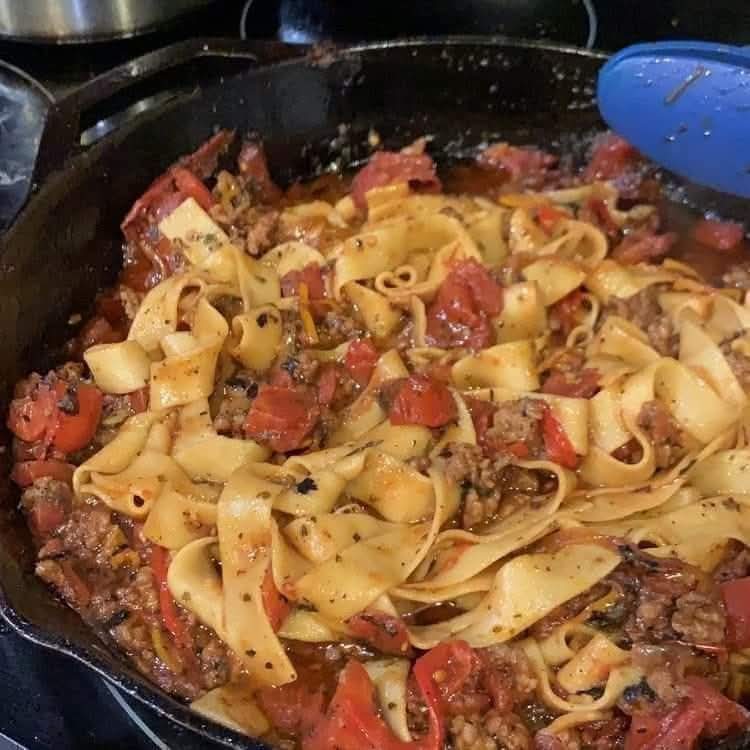
Here is a comprehensive and expanded guide to making Italian Drunken Noodles, complete with all the sections you requested.
—
The Ultimate Guide to Italian Drunken Noodles
Introduction
Imagine the comforting, hearty flavors of a classic Italian sausage and peppers dish, but with a decadent twist. Now, picture that glorious medley tossed with wide, silky pappardelle noodles in a rich, savory, slightly sweet wine-infused sauce. This is the magic of Italian Drunken Noodles. While “drunken noodles” is a term famously associated with Thai cuisine (Pad Kee Mao), this recipe is a beautiful example of Italian-American fusion. It takes the core concept—a bold, saucy noodle dish that’s so good it might have been invented after a night out—and gives it a completely Mediterranean soul. The result is a one-pan wonder that’s incredibly satisfying, bursting with flavor, and guaranteed to become a weeknight favorite.
History
The name “Drunken Noodles” is most famously linked to Thailand. The story goes that Pad Kee Mao was created by a late-night cook who, perhaps after a few drinks himself, threw together whatever ingredients were on hand—wide rice noodles, chili, garlic, protein, and lots of basil—for a hungry customer. This Italian version has no direct historical link to Italy, but rather represents the genius of home cooking and fusion. It takes the beloved Italian combination of sausage, peppers, and onions, and marries it with the “drunken” concept by adding a generous splash of white wine to create a luscious pan sauce. It’s a dish born from creativity, celebrating the best of both culinary worlds.
Ingredients
· For the Noodles:
· 8 oz (225g) wide pappardelle pasta noodles (or fettuccine, if unavailable)
· Salt, for pasta water
· For the Sauce & Assembly:
· 2 tablespoons olive oil
· 1 lb (450g) Italian sausage (mild or hot), casings removed
· 1 large yellow onion, thinly sliced
· 1 ½ cups mixed bell peppers (red, yellow, green), thinly sliced
· 4 cloves garlic, minced
· ½ teaspoon red pepper flakes (adjust to your spice preference)
· ½ cup dry white wine (such as Pinot Grigio or Sauvignon Blanc)
· 1 (15-ounce) can crushed tomatoes
· ½ cup heavy cream
· ½ cup freshly grated Parmesan cheese, plus more for serving
· ¼ cup fresh parsley or basil, chopped (for garnish)
· Salt and freshly ground black pepper, to taste
Instructions (Methods)
1. Bring a Large Pot of Salted Water to a Boil. Once boiling, add the pappardelle noodles and cook according to package directions until al dente. Reserve about 1 cup of the starchy pasta water before draining.
2. Brown the Sausage: While the pasta cooks, heat the olive oil in a large, deep skillet or Dutch oven over medium-high heat. Add the Italian sausage (removed from its casing) and cook, breaking it up with a spoon, until nicely browned and cooked through. Use a slotted spoon to transfer the cooked sausage to a plate, leaving the drippings in the pan.
3. Sauté the Aromatics: To the same skillet, add the sliced onion and bell peppers. Sauté for 5-7 minutes, until they begin to soften and the onions become translucent. Stir in the minced garlic and red pepper flakes, and cook for another minute until fragrant.
4. Create the “Drunken” Sauce: Pour the white wine into the skillet with the vegetables. Use a wooden spoon to scrape up all the browned bits (fond) from the bottom of the pan—this is where tons of flavor lives! Let the wine simmer for 2-3 minutes, reducing slightly.
5. Simmer the Sauce: Stir in the crushed tomatoes. Return the cooked sausage to the pan. Bring the sauce to a gentle simmer, then reduce the heat to low. Let it cook for 10-15 minutes, allowing the flavors to meld together beautifully.
6. Make it Creamy: Stir in the heavy cream and the ½ cup of grated Parmesan cheese. Stir until the cheese is melted and the sauce is smooth and slightly pinkish-orange. Season with salt and freshly ground black pepper to taste.
7. Combine and Serve: Add the drained pappardelle noodles directly to the skillet with the sauce. Toss everything together gently but thoroughly, ensuring every noodle is coated in that glorious sauce. If the sauce seems too thick, add a splash of the reserved pasta water until it reaches your desired consistency.
8. Garnish and Enjoy: Serve immediately in warm bowls, garnished with fresh chopped parsley or basil and an extra sprinkle of Parmesan cheese.
Benefits (Why You’ll Love It)
· Incredible Flavor: A perfect balance of savory sausage, sweet peppers, rich tomatoes, and a touch of cream.
· Comfort Food Elevated: It takes a classic comfort dish and makes it feel special and sophisticated.
· One-Pan Wonder: Minimal cleanup makes this a practical and appealing choice for any night of the week.
· Customizable: Easily adjust the spice level or swap in different proteins and vegetables.
· Crowd-Pleaser: This dish is guaranteed to impress family and friends alike.
Nutrition (Approximate, per serving)
(Note: This is an estimate and will vary based on specific ingredients used.)
· Calories: ~650-750
· Fat: ~40-45g
· Carbohydrates: ~45-50g
· Protein: ~25-30g
(For a lighter version, you can omit the heavy cream or use a half-and-half substitute.)
Lovers (Who This Dish is For)
This recipe is for the weekend chef who loves to experiment, the pasta enthusiast seeking a new classic, and the busy cook who needs a reliable, impressive meal. It’s for anyone who appreciates the deep, soulful flavors of Italian cooking but isn’t afraid to break a few rules. It’s for those who believe a great meal shared with loved ones is one of life’s simplest and greatest pleasures. It’s for you.
Conclusion
Italian Drunken Noodles is more than just a recipe; it’s an experience. It’s the sizzle of sausage in the pan, the aroma of garlic and wine filling your kitchen, and the first twirl of creamy, spicy, savory noodles on your fork. It’s a testament to how a little culinary creativity can transform simple ingredients into something truly spectacular. So, pour yourself a glass of the same white wine you’re cooking with, put on some music, and get ready to fall in love with your new favorite pasta dish. Buon appetito!