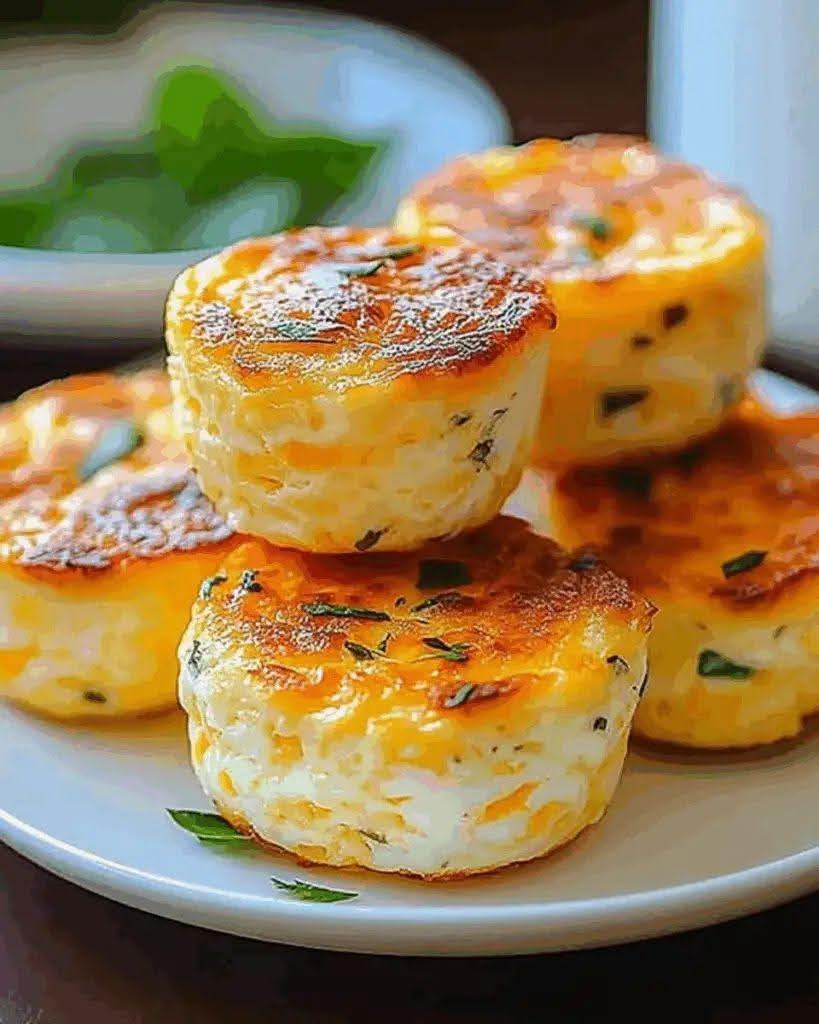
Here is a big, detailed guide to making the fluffiest, creamiest Cottage Cheese Eggs, complete with everything you asked for.
—
The Ultimate Guide to Fluffy Cottage Cheese Eggs
Introduction
Welcome to your new favorite breakfast obsession: Cottage Cheese Eggs! If you’ve never tried this combination, you are in for a transformative treat. Imagine scrambled eggs that are not just fluffy, but cloud-like, with a rich, creamy texture and pockets of melted, milky cheese in every bite. This isn’t just a way to stretch your eggs; it’s a way to elevate them.
In a world where mornings are often rushed, this recipe is a beacon of efficiency and nutrition. It comes together in under 30 minutes, requires just a handful of simple ingredients, and solves the eternal breakfast dilemma: how to stay full and satisfied until lunch. Whether you’re a busy professional, a fitness enthusiast focused on protein intake, or simply a lover of good food, cottage cheese eggs are about to become a staple in your kitchen. Get ready to discover the secret to the most luscious, protein-packed, and downright delicious scrambled eggs you’ll ever make.
The History of Eggs and Cheese
The pairing of eggs and cheese is a timeless culinary classic, found in cultures across the globe. From the French omelette to the Indian egg bhurji, the combination has always been about adding richness and flavor. However, the specific use of cottage cheese with eggs is a more modern, health-conscious innovation.
Cottage cheese itself has humble beginnings. It’s believed to be one of the earliest forms of cheese, likely discovered accidentally when milk soured in a warm environment. For centuries, it was a farmhouse staple, a simple “pot cheese” made from leftover milk. Its resurgence in recent years, particularly in the health and wellness community, is nothing short of a renaissance. Social media platforms are filled with “cottage cheese trends,” from ice cream to flatbreads. The cottage cheese egg is a natural evolution of this trend, combining the classic comfort of scrambled eggs with the incredible nutritional profile and creamy texture of this humble dairy product. It’s a dish that honors the past while perfectly fitting the needs of the modern eater.
The Benefits: Why You’ll Love This Dish
This isn’t just a tasty breakfast; it’s a powerhouse of benefits:
· High in Protein: This is the star benefit. Combining eggs and cottage cheese creates a complete protein profile, providing all the essential amino acids your body needs. This makes it an ideal breakfast for muscle repair, satiety, and sustained energy levels.
· Incredibly Fluffy and Creamy Texture: Unlike eggs scrambled with milk or water, which can sometimes become watery, cottage cheese adds structure and richness. The curds melt slightly as they heat, creating pockets of creamy goodness and resulting in an unbeatably tender, fluffy texture.
· Low in Carbs: Perfect for those following low-carb, keto, or diabetic-friendly diets. It’s a filling meal that won’t spike your blood sugar.
· Meal Prep Friendly: This is perhaps the most practical benefit. Unlike many egg dishes that become rubbery when reheated, the cottage cheese helps keep these eggs moist and creamy, making them taste almost as good as fresh.
· Quick and Easy: From start to finish, you can have a gourmet-quality breakfast on your plate in under 30 minutes.
Recipe: Big Batch Cottage Cheese Eggs
This recipe is designed for meal prep, yielding about 4-6 servings.
Ingredients
· 12 large eggs
· 2 cups cottage cheese (full-fat or 2% is recommended for the best creamy texture; small curd works great)
· 1/2 cup grated hard cheese (optional, but recommended. Parmesan, Pecorino Romano, or a sharp cheddar add a wonderful savory depth)
· 3 tablespoons butter, ghee, or olive oil (for cooking)
· 1 teaspoon salt (or to taste)
· 1/2 teaspoon black pepper (or to taste)
· Optional Add-ins: 1/4 cup chopped fresh chives, a pinch of red pepper flakes for heat, or 1/2 teaspoon garlic powder.
Instructions / Methods
1. Prepare the Base: In a very large mixing bowl, crack all 12 eggs. Add the salt, pepper, and any optional spices (like garlic powder). Whisk vigorously for at least 1-2 minutes until the eggs are completely homogenous and slightly frothy on top. This incorporates air, which is key for fluffiness.
2. Incorporate the Cottage Cheese: Add the 2 cups of cottage cheese to the beaten eggs. If you are using the optional grated cheese, add it now as well. Gently whisk until just combined. Don’t overmix; you want some of those lovely cottage cheese curds to remain intact. If using fresh chives, fold them in now.
3. Preheat Your Pan: Place a very large (12-inch or larger), non-stick skillet or well-seasoned cast-iron pan over medium-low heat. Add the butter or oil and let it melt and get shimmering, but not smoking. The key to creamy, non-rubber eggs is low and slow cooking.
4. The Slow Scramble: Pour the egg mixture into the center of the pan. Let it sit undisturbed for about 30-60 seconds until a thin layer of cooked egg forms on the bottom.
5. The Fold, Don’t Stir Method: Using a silicone spatula, gently push the cooked eggs from the edges toward the center. Tilt the pan to allow the uncooked liquid eggs to flow to the edges. Continue this process of pushing and tilting, rather than frantic stirring. This creates large, soft, fluffy curds. Be patient; this whole process should take 8-10 minutes.
6. Finish and Serve: Cook until the eggs are just set but still look wonderfully soft, creamy, and slightly glossy. They will continue to cook from residual heat after you remove them from the pan. Taste and adjust seasoning if necessary. Serve immediately for a fresh breakfast, or let cool slightly for meal prep.
Formation: The Science of the Scramble
What makes these eggs so perfect? It’s all about what happens in the pan. The proteins in both the eggs and the cottage cheese (primarily casein and whey) coagulate, or set, when heated. By cooking slowly over low heat, you control this coagulation, preventing the proteins from squeezing out all their moisture and becoming tough.
The fat from the egg yolks, cottage cheese, and butter coats these proteins, creating a rich, tender texture. The water content in the cottage cheese turns to steam, helping to puff up the eggs and create that signature fluffiness. The result is a delicate protein network filled with steam and creamy pockets of melted cheese curds.
Nutrition Information (Per Serving, based on 6 servings)
· Calories: Approximately 280-320
· Protein: 25-30g
· Fat: 18-22g
· Carbohydrates: 3-5g
· Fiber: 0g
· Sugar: 2-3g (naturally occurring lactose)
(Note: Nutritional values are estimates and will vary based on the specific ingredients used, such as the fat content of your cottage cheese and eggs.)
How to Reheat (For Meal Prep Lovers)
This is where these eggs truly shine.
· The Best Method: Stovetop. Place your desired portion in a small non-stick pan over the lowest possible heat. Add a tiny splash of water or a small pat of butter. Gently stir and toss the eggs for 2-3 minutes until just warmed through. The steam from the water will revive their creamy texture.
· The Quick Method: Microwave. Place eggs on a microwave-safe plate. Microwave in 20-30 second intervals, stirring in between, until just hot. Be careful not to overheat, as this can make them rubbery.
Conclusion: A New Breakfast Tradition
Cottage cheese eggs are more than just a recipe; they are a solution. They solve the problem of boring breakfasts, the mid-morning energy crash, and the challenge of eating well on a busy schedule. With their dreamy texture, incredible flavor, and unbeatable nutritional stats, they are destined to become a beloved classic in your home.
For the Lovers…
This one’s for the lovers—the lovers of breakfast, of course! For the lovers of food that tastes indulgent but is secretly good for you. For the lovers of meal prep who refuse to compromise on flavor for convenience. For the lovers who appreciate the simple magic of turning a few humble ingredients into something truly special. Go forth, grab your whisk and your favorite non-stick pan, and make these eggs. Your future self (and your taste buds) will thank you.