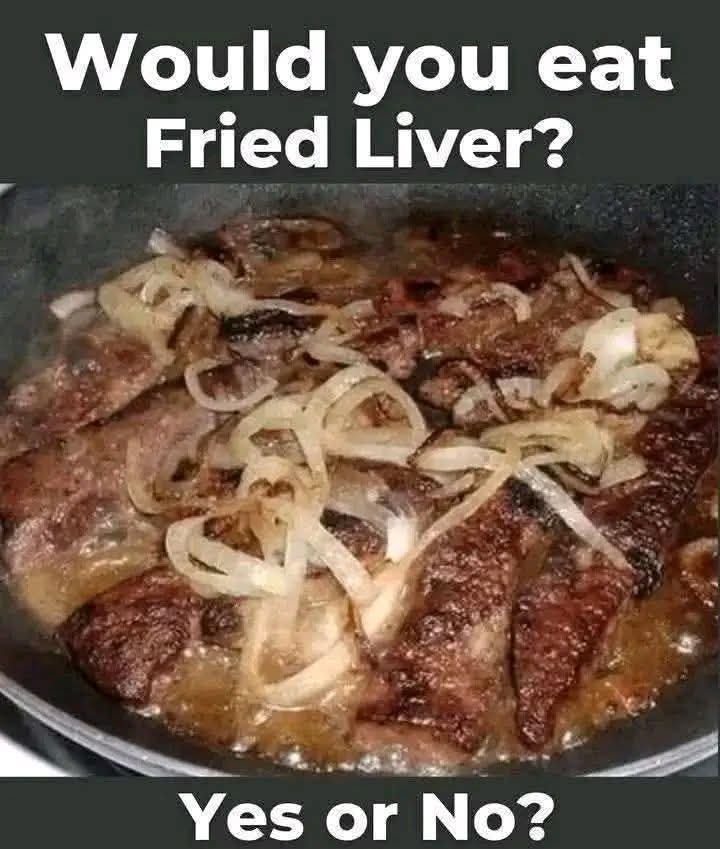
Here is a comprehensive guide to the classic dish, complete with everything you requested.
—
A Love Letter to Liver: The Definitive Guide to Fried Liver with Onions
Introduction
Fried liver with onions is a dish that divides kitchens and sparks passionate debate. For some, it’s a nostalgic trip back to childhood, a plate of humble, hearty food served on a Tuesday night. For others, the mere mention of it conjures up memories of a dry, metallic-tasting offal that was better left on the plate. The truth, however, is that when prepared with care and respect for the ingredient, fried liver with onions is nothing short of a culinary revelation. It is a symphony of deep, savory, and slightly sweet flavors, a testament to the “nose-to-tail” eating philosophy that is both economical and extraordinarily flavorful. This isn’t just a recipe; it’s a revival of a classic, a guide to transforming a simple ingredient into a luxurious and satisfying meal.
—
A Brief History
The pairing of liver and onions is a classic found in many cultures, from the British “liver and bacon” to the French “foie de veau à la lyonnaise.” Its origins are rooted in practicality and frugality. Liver, being an organ, was often one of the more affordable cuts of meat available. Onions, a sturdy and long-lasting vegetable, were a staple in pantries across the globe. The combination was a natural one: the strong, earthy flavor of the liver was perfectly balanced by the sharp, sweet, and caramelized notes of cooked onions. It became a staple of “meat and potatoes” dinners, especially during the early to mid-20th century, providing essential nutrients at a low cost. Today, it’s experiencing a resurgence as chefs and home cooks alike rediscover the beauty of whole-animal cooking and deeply satisfying, rustic flavors.
—
The Great Debate: Fried Liver with Onions — YES or NO?
My vote is a resounding YES! But it’s a conditional yes. It’s a yes to liver that is tender, not tough. It’s a yes to onions that are sweet and jammy, not just sautéed. It’s a yes to a rich, savory gravy that brings it all together. This recipe is designed to win over the skeptics and reaffirm the love for the loyal fans.
—
The Ultimate Fried Liver & Onions Recipe
This recipe focuses on technique to ensure a perfect result every time. The key is to not overcook the liver and to take the time to properly caramelize the onions.
Yields: 4 servings
Prep time: 15 minutes (plus 30 minutes optional soaking)
Cook time: 25-30 minutes
Ingredients
For the Liver:
· 1 lb (450g) calf, beef, or chicken liver, sliced into ½-inch thick pieces.
· Chef’s Note: Calf liver is the most tender and mild-flavored, making it ideal for beginners. Beef liver has a stronger flavor, and chicken liver is the most delicate and quickest to cook.
· 1 cup buttermilk or whole milk (optional, for soaking)
· 1 cup all-purpose flour, seasoned with:
· 1 tsp salt
· ½ tsp black pepper
· ½ tsp paprika (sweet or smoked)
· ¼ tsp garlic powder
· 4 tbsp unsalted butter, divided
· 2 tbsp olive oil, divided
· Salt and freshly cracked black pepper, for final seasoning
For the Onions & Gravy:
· 3 large yellow or sweet onions, halved and thinly sliced
· 2-3 sprigs fresh thyme
· 1 cup beef or chicken stock
· ¼ cup dry white wine or sherry (optional, but recommended)
· 1 tbsp fresh parsley, chopped, for garnish
—
Instructions: The Method to the Magic
Step 1: Prepare the Liver (The Secret to Tenderness)
Liver can sometimes have a slightly bitter or metallic taste. To mitigate this and ensure tenderness, place the sliced liver in a bowl and cover with buttermilk (or milk). This step is optional but highly recommended. The lactic acid in the milk helps to tenderize the liver and mellow its flavor. Let it soak for 30 minutes while you prepare the other ingredients. After soaking, remove the liver, pat it extremely dry with paper towels. Moisture is the enemy of a good sear.
Step 2: The Low & Slow Onions
In a large, heavy-bottomed skillet (like cast iron), heat 2 tablespoons of butter and 1 tablespoon of olive oil over medium heat. Add the sliced onions and a pinch of salt. Cook, stirring occasionally, for 15-20 minutes, until they are soft, sticky, and a deep golden brown. This is the “low and slow” method for caramelized onions. Add the thyme sprigs for the last 5 minutes. Once caramelized, transfer half of the onions to a small bowl and leave the rest in the pan to form the base of your gravy.
Step 3: Build the Gravy Base
To the skillet with the remaining onions, increase the heat to medium-high. Pour in the wine (if using) and scrape up any browned bits from the bottom of the pan (this is called déglaçage and is full of flavor). Let the wine reduce by half, about 1-2 minutes. Pour in the beef stock and bring to a simmer. Let it cook until it reduces slightly and thickens, about 5 minutes. Turn off the heat and set the skillet aside. You’ll reheat it later.
Step 4: The Perfect Sear
Place the seasoned flour in a shallow dish. Dredge the dried liver slices in the flour, shaking off any excess. This thin coating will create a beautiful crust.
In a separate skillet (or wipe out your onion skillet if you don’t have another), heat the remaining 2 tablespoons of butter and 1 tablespoon of olive oil over medium-high heat until the butter stops foaming and just begins to brown.
Carefully place the liver slices in the hot pan in a single layer. Do not overcrowd the pan; cook in batches if necessary. The key to tender liver is a quick sear.
· For calf/chicken liver: Cook for just 1-2 minutes per side. The inside should still be slightly pink.
· For beef liver: Cook for 2-3 minutes per side. It’s best served slightly pink in the center as well; overcooking is what makes it tough and grainy.
Step 5: Assemble and Serve
Once the liver is cooked, place it on a serving platter. Reheat the onion gravy in the first skillet. Spoon the gravy and the reserved caramelized onions over the top of the fried liver. Garnish with fresh chopped parsley.
—
Benefits of Eating Liver
Often called “nature’s multivitamin,” liver is one of the most nutrient-dense foods you can eat. It’s an excellent source of:
· Vitamin A: Essential for eye health, immune function, and cell growth.
· B Vitamins: Particularly Vitamin B12, which is crucial for nerve function and red blood cell formation and is not found in plant foods.
· Iron: Highly absorbable heme iron that helps prevent anemia and boosts energy.
· Copper and Zinc: Important minerals for immune health and energy production.
· High-Quality Protein: For muscle building and repair.
—
The Lovers & The Haters
· The Lovers: This dish is for those who appreciate bold, savory flavors. It’s for the home cook who loves a project, for the food historian who values tradition, and for the health-conscious eater looking for a natural nutrient powerhouse. It’s for anyone who believes that every part of the animal deserves a place at the table.
· The Haters: Their primary complaint is almost always due to poorly cooked liver. Overcooked liver is tough, dry, and has a strong, unpleasant sulfurous taste. This recipe directly addresses those issues, promising a tender, flavorful result that might just convert a few haters along the way.
—
Nutritional Information (Approximate, per serving)
· Calories: 380-450
· Protein: 25-30g
· Fat: 20-25g
· Carbohydrates: 20-25g (mostly from onions and flour)
· Iron: 30-50% of Daily Value (depending on liver type)
—
Conclusion
Fried liver with onions is far more than a “old-school dinner classic.” It is a dish of deep cultural roots, undeniable nutritional power, and, when executed correctly, unparalleled savory comfort. It’s a dialogue between the rich, mineral taste of the liver and the sweet, mellow depth of caramelized onions, all brought together in a silky, savory gravy. Whether you’re a lifelong lover or a curious skeptic, we invite you to try this recipe. Take your time, follow the steps, and discover the simple, profound deliciousness of this timeless classic. It’s a dish that nourishes the body, connects us to the past, and proves that the simplest ingredients, treated with respect, can create the most memorable meals. So, we ask again… Yes or no? We hope after this, your answer will be a confident YES!