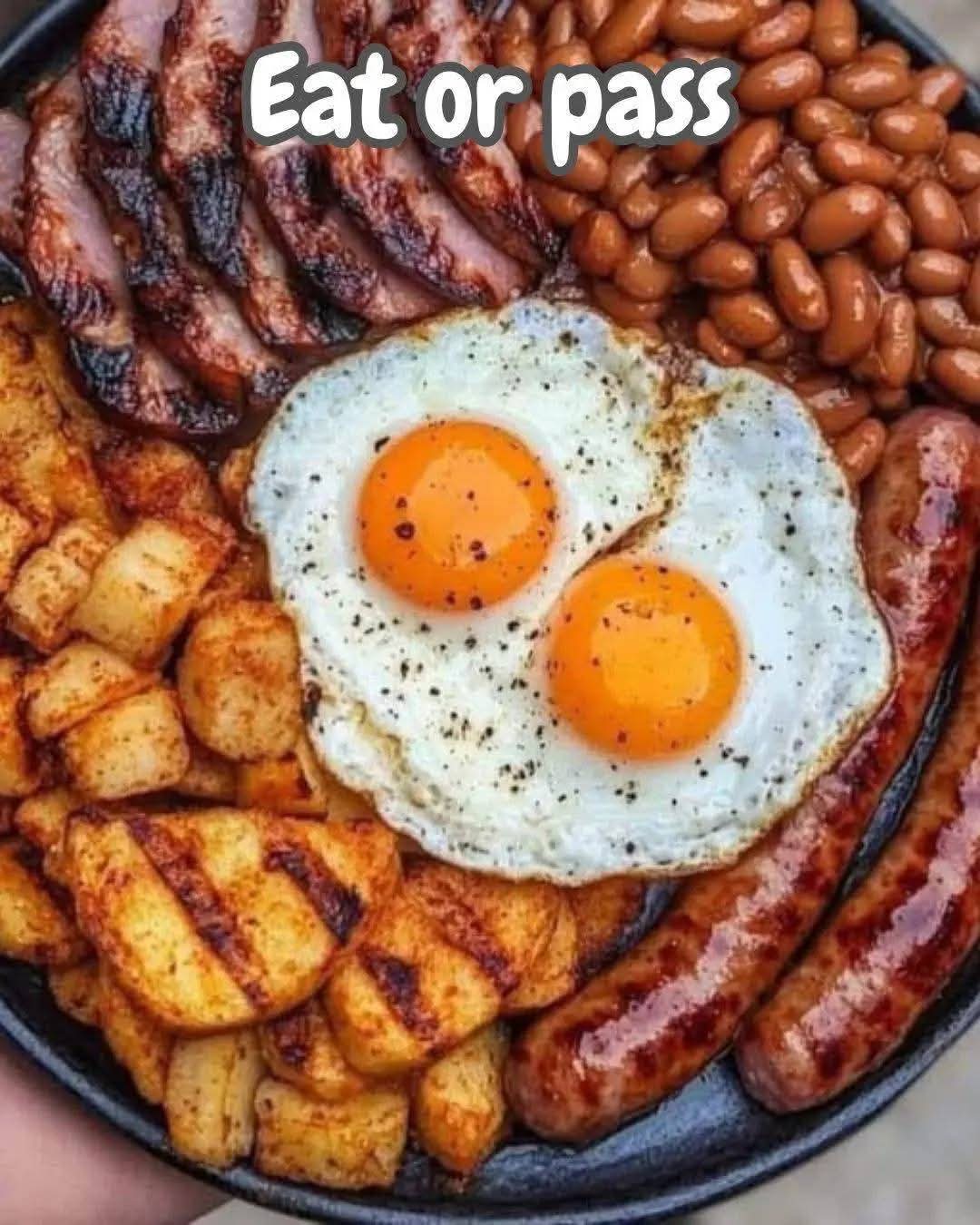
Here is a comprehensive guide to crafting and enjoying a Full English Breakfast, complete with all the sections you requested.
—
The Great British Full English Breakfast: A Culinary Institution
The Full English Breakfast, often affectionately called a “fry-up,” is far more than just a meal; it’s a cultural icon. Steeped in history and cherished as the nation’s favourite way to start the day, it’s a hearty, savoury plate designed to fuel you through a morning of hard work or simply to be savored as a leisurely weekend indulgence. While its origins lie in the grand estates of the Victorian era, it became a staple of working-class life during the Industrial Revolution, providing the necessary calories for a long day’s labour. Today, it’s enjoyed by all, a symbol of comfort, tradition, and unapologetic Britishness.
This recipe provides a classic template for a magnificent Full English, built with high-quality ingredients and simple, careful cooking methods to achieve the perfect balance of flavours and textures.
—
The Ultimate Full English Breakfast
Servings: 1 very hungry person, or 2 with toast
Prep time: 10 minutes
Cook time: 20 minutes
Introduction
This isn’t just cooking; it’s an act of creation. We’re building a landscape of flavour on a single plate. The goal is harmony: the rich, runny yolk from the eggs mingling with the savoury sausage and the salty, crispy bacon, all balanced by the soft, buttery interior of the toast. Each component is cooked simply, allowing its quality to shine. This is the breakfast that turns an ordinary morning into an occasion.
Ingredients
· 2 large eggs (fried, scrambled, or poached – your choice!)
· 2-3 slices of turkey bacon (British-style back bacon is ideal for its leaner, meatier quality)
· 2 high-quality pork sausages (Cumberland sausages, with their herby, peppery flavour, are a classic choice)
· 1 large field mushroom (or 2-3 chestnut mushrooms)
· 1 medium tomato, halved
· 1 slice of thick, white bread (for toast)
· 1 tbsp olive oil or butter
· Salt and freshly ground black pepper, to taste
· Optional additions: A small handful of canned baked beans, a slice of black pudding, fried bread.
Instructions & Methods
1. Prepare the Ingredients:
· Remove the sausages and turkey bacon from the fridge 15 minutes before cooking to bring them to room temperature for more even cooking.
· Wipe the mushroom clean with a paper towel and remove the stalk if desired. Halve the tomato.
2. Cook the Sausages: (The longest-cooking item)
· Place a large frying pan or griddle over medium-low heat. Add a tiny drizzle of oil.
· Add the sausages. Cook them gently, turning every few minutes, for 12-15 minutes, or until they are golden brown all over and cooked through. The slow cooking renders the fat and ensures they are juicy inside.
3. Cook the Turkey Bacon and Tomatoes:
· Push the sausages to one side of the pan. Add the turkey bacon slices.
· Place the tomato halves in the pan, cut-side down.
· Cook for 3-4 minutes, until the bacon is starting to crisp and the tomatoes have softened and begun to caramelize on the cut side. Flip the bacon and cook for another 2-3 minutes. Remove the bacon and tomatoes from the pan and keep them warm on a plate.
4. Cook the Mushroom:
· Add the mushroom to the pan, placing it cap-side down to soak up some of the delicious bacon and sausage flavours. Cook for 3-4 minutes per side, until softened and golden. Season with a pinch of salt and pepper. Remove and keep warm.
5. Cook the Eggs and Make Toast:
· While the mushroom finishes, pop your bread in the toaster.
· For Fried Eggs: Carefully crack your eggs into the pan, using the residual fat. Cook to your liking: 2-3 minutes for a runny yolk, or a minute or so longer for a set yolk. For Scrambled Eggs: Briefly whisk the eggs in a bowl with a pinch of salt and pepper. Wipe the pan clean, add a knob of butter over low heat, pour in the eggs, and stir gently with a spatula until they form soft, creamy curds. Remove from the heat just before they are fully set (they will continue to cook).
6. Assemble and Serve:
· Butter the hot toast generously.
· Artfully arrange everything on a warm plate: sausages, bacon, eggs, mushroom, tomato, and finally, the slice of buttery toast (cut in half for easier dipping!). If using baked beans, they are traditionally served in a small ramekin or on the side.
—
History
The Full English’s roots go back to the 13th century and the concept of “Anglo-Saxon hospitality,” but its modern form emerged in the Victorian era. The wealthy gentry would enjoy multi-course breakfasts, and the “English Breakfast” became a symbol of status. It was during the Industrial Revolution that it truly became “Full.” Factory workers needed a massive calorie intake to sustain them through long shifts, and the fry-up—using affordable, locally sourced ingredients like eggs, bacon, and bread—provided the perfect solution. It evolved from an aristocratic luxury into a working-class staple, cementing its place in the nation’s heart.
Benefits
While undeniably a rich meal, a well-made Full English offers several surprising benefits:
· Sustained Energy: The combination of protein (eggs, bacon, sausages) and healthy fats provides a steady release of energy, keeping you full and focused for hours, unlike a sugary breakfast that leads to a mid-morning crash.
· High-Quality Protein: Essential for muscle repair and growth.
· Nutrient-Dense: Eggs are packed with vitamins (B12, D) and choline for brain health. Mushrooms and tomatoes contribute antioxidants and vitamins.
· Psychological Boost: It’s a ritual. Taking the time to prepare and savour such a substantial meal can be a grounding and satisfying start to the day, promoting a positive mindset.
Nutritional Information (Approximate)
Note: This is an estimate and will vary based on specific ingredients and portion sizes.
· Calories: 700-900 kcal
· Protein: 35-45g
· Fat: 40-55g
· Carbohydrates: 30-40g (primarily from toast and tomatoes)
· Fiber: 5-8g
Formation (The Ideal Plate)
The perfect “formation” of a Full English is about contrast and balance:
· The Proteins: Sausages and bacon provide the savoury, salty core.
· The Eggs: Act as the “sauce” of the dish, with a rich, runny yolk that brings everything together.
· The Vegetables: The mushroom and tomato offer acidity, moisture, and a slight sweetness to cut through the richness.
· The Carbohydrate: The toast is the foundation, providing a vehicle for sopping up yolk and juices, and adding a crucial textural contrast with its crispness.
Lovers
The Full English Breakfast is a dish that inspires intense passion. Its lovers include:
· The Traditionalist: Who insists that a “proper” fry-up must include back bacon, a sausage, black pudding, and a fried egg with a runny yolk, all cooked in a single pan.
· The Weekend Warrior: Who looks forward to a leisurely fry-up every Saturday morning as a reward for a long week, often accompanied by a strong cup of tea and the weekend papers.
· The Hungry Traveller: For whom the Full English is the ultimate comfort food after a night out or a long journey, a familiar and satisfying meal that feels like a warm embrace.
· The Chef: Who appreciates the skill in simply cooking each component perfectly and the art of building a harmonious plate.
Conclusion
So, would I eat this Full English Breakfast? Absolutely, without a doubt. This carefully constructed plate is more than just a meal; it’s an experience. It’s a taste of British history, a testament to simple, quality ingredients, and a deeply satisfying culinary ritual. From the first cut into a perfectly fried egg to the final piece of toast sopped in the last of the juices, it’s a celebration of flavour and comfort. Whether you’re a lifelong lover or a curious first-timer, this is a breakfast that demands to be enjoyed, savored, and respected. It is, in every sense, a proper feed.