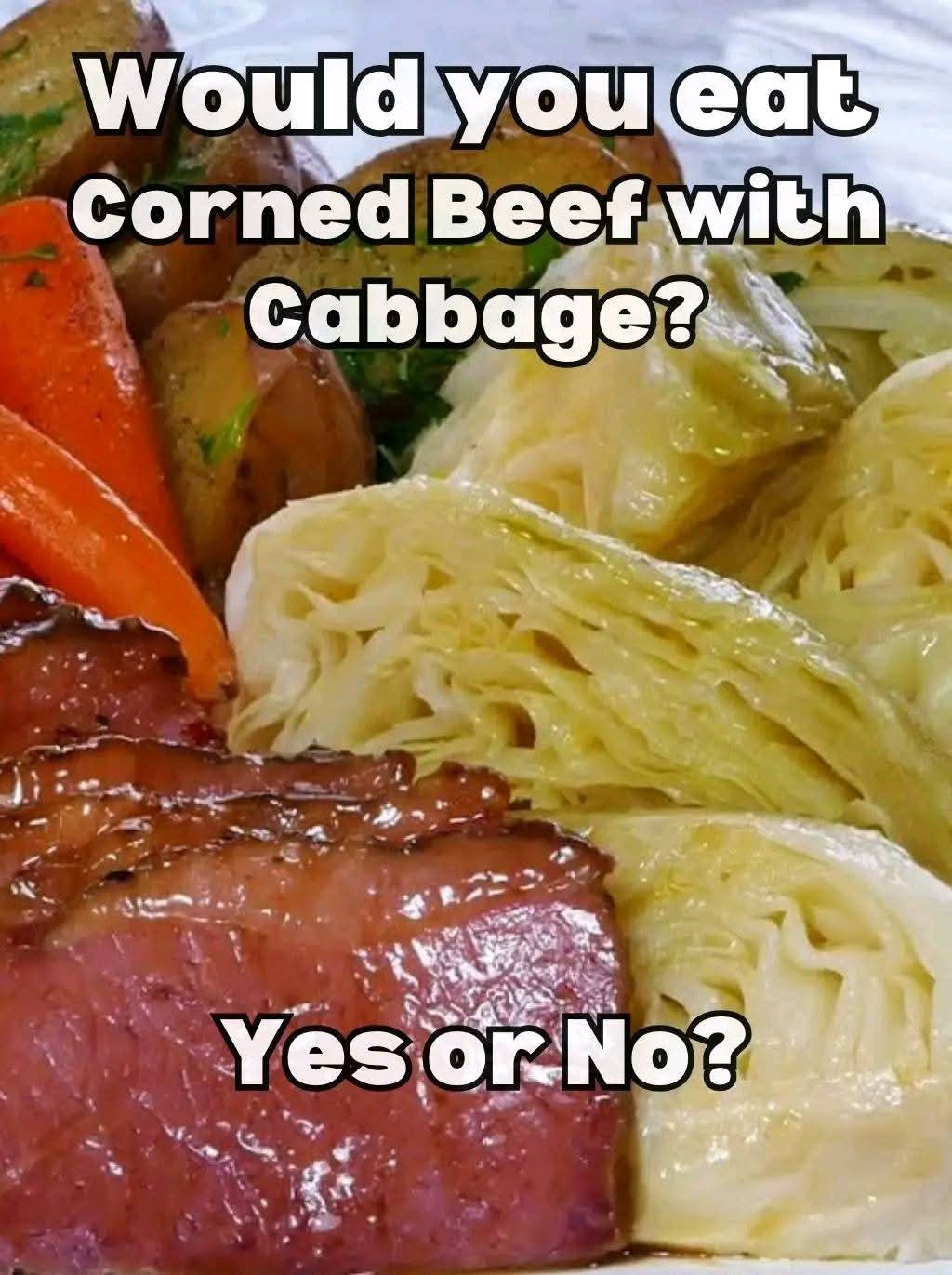
I appreciate your honesty! And to answer your question first: Yes, I do actually like the cabbage part! When it’s cooked properly in the broth with the corned beef, it absorbs all those wonderful, savory flavors and becomes tender and delicious. But I understand it’s not everyone’s favorite – some people find it too soft or “cabbage-y” in texture. Fair enough! 😊
Now, let me give you that comprehensive guide to Corned Beef and Cabbage!
—
The Ultimate Corned Beef and Cabbage: A St. Patrick’s Day Classic
🌟 Introduction
Corned Beef and Cabbage stands as one of the most beloved comfort foods in American cuisine, particularly associated with St. Patrick’s Day celebrations. Despite its strong Irish-American identity, this dish tells a fascinating story of immigration, adaptation, and culinary evolution. The marriage of salt-cured beef brisket with humble cabbage creates a symphony of flavors that has warmed hearts and filled bellies for generations. This complete guide will walk you through everything you need to know about creating the perfect Corned Beef and Cabbage, from its rich history to step-by-step instructions that guarantee restaurant-quality results in your own kitchen.
—
🛒 Ingredients
For the Corned Beef:
· 3–4 lb corned beef brisket (with spice packet) – Look for a well-marbled cut with even thickness
· 1 large onion, quartered – Yellow or sweet onion works best
· 3-4 carrots, peeled and cut into 2-inch chunks
· 3-4 celery stalks, cut into 2-inch pieces
· 4-6 garlic cloves, peeled and smashed
· 1 tablespoon whole black peppercorns
· 2 bay leaves
· Water or beef broth – Enough to cover the meat
For the Cabbage and Vegetables:
· 1 medium head of green cabbage – Cut into 6-8 wedges, keeping the core intact to hold shape
· 1½ pounds small red potatoes – Or Yukon Gold, left whole or halved if large
· Additional carrots (optional) – For more vegetable variety
· Fresh parsley, chopped – For garnish
For the Mustard Sauce (Optional but Recommended):
· ½ cup sour cream
· ¼ cup Dijon mustard
· 2 tablespoons whole grain mustard
· 1 tablespoon honey
· 1 tablespoon prepared horseradish
· Salt and white pepper to taste
—
📝 Instructions
Preparation Phase (15 minutes):
1. Remove the corned beef from its packaging and rinse thoroughly under cold water to remove excess salt from the brining process
2. Pat the brisket completely dry with paper towels
3. Reserve the spice packet – this contains pickling spices that will flavor your broth
4. Prepare your vegetables by washing, peeling, and cutting as indicated above
Cooking Phase:
Step 1: Cooking the Corned Beef (3-4 hours)
1. Place the corned beef in a large Dutch oven or heavy-bottomed pot (6-8 quart capacity)
2. Add the spice packet contents, quartered onion, carrots, celery, garlic cloves, peppercorns, and bay leaves
3. Cover completely with water or beef broth by at least 1 inch
4. Bring to a boil over high heat, then immediately reduce to a gentle simmer
5. Cover and cook for approximately 50-60 minutes per pound, or until the meat is fork-tender (about 3-4 hours for a 3-4 lb brisket)
6. Skim any foam that rises to the surface during the first hour of cooking
Step 2: Adding the Vegetables (Last 30-40 minutes)
1. Add the potatoes to the pot and continue simmering for 15 minutes
2. Add the cabbage wedges and additional carrots if using
3. Continue cooking for another 15-20 minutes until the cabbage is tender but not mushy, and potatoes are easily pierced with a fork
Step 3: Resting and Serving
1. Carefully remove the corned beef to a cutting board and let rest for 10-15 minutes
2. Remove vegetables with a slotted spoon and arrange on a warm serving platter
3. Slice the corned beef against the grain into ¼-inch thick slices – this is crucial for tenderness
4. Ladle a small amount of cooking broth over the meat to keep it moist
5. Garnish with fresh parsley and serve immediately with mustard sauce on the side
—
🍳 Methods and Techniques
Simmering vs. Boiling
The golden rule of corned beef is to simmer, never boil. A rolling boil will toughen the meat’s proteins and result in a dry, stringy texture. Maintain a gentle simmer where you see occasional bubbles breaking the surface but no vigorous churning.
The Science of “Against the Grain”
Corned beef brisket contains long muscle fibers. Slicing against the grain (perpendicular to the natural lines you see in the meat) shortens these fibers, making each bite more tender. Look for the direction of the striations and slice accordingly.
Testing for Doneness
A properly cooked corned beef should be fork-tender – meaning a fork inserted into the thickest part should go in with little resistance and twist easily. If you’re using an instant-read thermometer, aim for 190-205°F internally, which allows the collagen to break down completely.
Flavor Enhancement Techniques
· Deglazing: After removing the meat, you can reduce the cooking liquid by half for a concentrated broth to serve alongside
· Glazing: Some chefs brush the rested corned beef with honey or brown sugar and broil briefly for a caramelized crust
· Make-Ahead Method: Corned beef actually improves in flavor when cooled in its cooking liquid overnight and reheated the next day
—
📜 History and Cultural Significance
The Irish-American Origin Story
Contrary to popular belief, corned beef and cabbage is not a traditional Irish dish. In Ireland, the common cured meat was actually bacon (similar to Irish ham), and the typical meal was bacon boiled with cabbage. So how did corned beef become synonymous with Irish cooking?
The Immigration Connection
When Irish immigrants arrived in America in the 19th century, they settled in urban centers like New York and Boston. In their new homeland, they discovered that Jewish immigrants from Eastern Europe were producing corned beef – a salt-cured brisket that was both affordable and reminiscent of the Irish bacon they knew from home.
The Term “Corned”
The name “corned” comes from the large grains of salt (called “corns” of salt) traditionally used to cure the beef. Before refrigeration, this curing process was essential for preserving meat through long winters and sea voyages.
Evolution of a Tradition
The dish became popular in Irish-American communities and eventually became associated with St. Patrick’s Day celebrations. Today, Americans consume an estimated 26 billion pounds of corned beef on and around March 17th, making it one of the most seasonal dishes in American cuisine.
—
💪 Health Benefits and Nutrition
Nutritional Profile (Per Serving, approximately 6 oz meat with vegetables):
· Calories: 450-550
· Protein: 35-40 grams
· Fat: 25-30 grams
· Carbohydrates: 25-30 grams
· Fiber: 6-8 grams
· Sodium: 1200-1500 mg (varies significantly by preparation)
Key Nutrients:
· Iron: Essential for red blood cell production and energy
· Vitamin B12: Crucial for nervous system health
· Vitamin C: From cabbage and potatoes, supporting immune function
· Potassium: For heart health and muscle function
· Fiber: From vegetables, promoting digestive health
Health Considerations:
While corned beef is nutrient-dense, it’s also high in sodium and saturated fat. Consider these tips for a healthier version:
· Rinse the beef thoroughly before cooking
· Use low-sodium beef broth instead of water for more flavor with less added salt
· Load up on the vegetables, which provide nutrients and fiber
· Remove visible fat before serving
· Enjoy as an occasional treat rather than a weekly meal
—
🧠 Formation: How the Dish Comes Together
The Alchemy of Flavors
Corned beef and cabbage represents a perfect example of culinary synergy – where the whole becomes greater than the sum of its parts:
1. The Fat: Rendered from the brisket during long cooking, it enriches the broth
2. The Spices: Pickling spices (coriander, mustard seed, peppercorns, allspice) infuse the meat and liquid
3. The Vegetables: Each contributes to and absorbs from the flavorful environment:
· Onions: Provide sweetness and depth
· Carrots: Add natural sugars and color
· Celery: Contributes savory notes
· Potatoes: Absorb broth while releasing starch that thickens slightly
· Cabbage: Soaks up the seasoned liquid while adding its distinctive character
Texture Contrast
The final dish offers a beautiful textural experience:
· Tender, flaking meat from properly broken-down collagen
· Firm-tender potatoes that hold their shape
· Soft but structured cabbage with slight resistance
· Velvety carrots that yield easily to the fork
—
💖 For the Lovers: Why This Dish Inspires Passion
A Taste of Heritage
For Irish-Americans and those who celebrate St. Patrick’s Day, this dish connects them to their ancestral roots, whether real or adopted. It’s a tangible link to family history and cultural identity.
Comfort Food Supreme
There’s something profoundly comforting about a one-pot meal that fills the house with savory aromas for hours. The anticipation builds as the meat tenderizes, and the reward is a hearty, satisfying meal that feels like a warm embrace.
The Communal Experience
Corned beef and cabbage is rarely eaten alone. It’s a dish meant for sharing – whether at a St. Patrick’s Day gathering, a Sunday family dinner, or a casual get-together with friends. The act of passing the platter, offering seconds, and discussing the meal creates connection.
Leftovers Love
Many enthusiasts argue that the leftovers are even better than the first meal. Corned beef hash with potatoes and onions has achieved legendary status as a breakfast dish, and Reuben sandwiches (corned beef, Swiss cheese, sauerkraut, and Russian dressing on rye) represent one of America’s greatest sandwich inventions.
—
📊 Comprehensive Nutrition Information
Detailed Analysis (Based on 6 oz meat with 1 cup vegetables):
Nutrient Amount % Daily Value*
Calories 495 25%
Total Fat 28g 36%
Saturated Fat 10g 50%
Cholesterol 120mg 40%
Sodium 1350mg 59%
Total Carbohydrates 28g 10%
Dietary Fiber 7g 25%
Total Sugars 6g –
Protein 38g 76%
Vitamin D 0.5mcg 2%
Calcium 80mg 6%
Iron 4.5mg 25%
Potassium 1100mg 23%
Vitamin C 45mg 50%
Vitamin B12 2.4mcg 100%
*Percentage Daily Values based on a 2,000 calorie diet
Dietary Considerations:
· Gluten-Free: Naturally gluten-free, but check spice packets for additives
· Low-Carb Option: Skip the potatoes and add extra cabbage and carrots
· Keto-Friendly: Focus on meat and cabbage, avoid potatoes
· Not Suitable for: Low-sodium diets, vegetarian/vegan diets
—
🏁 Conclusion
Corned beef and cabbage represents far more than the sum of its humble ingredients. It’s a dish born of immigration and adaptation, transformed from Irish bacon to Jewish corned beef in the melting pot of America. It’s the aroma that fills immigrant kitchens on cold March days, the centerpiece of celebration tables, and the taste of heritage for millions.
When you prepare this dish, you’re not just cooking dinner – you’re participating in a culinary tradition that spans centuries and continents. You’re learning techniques that turn tough brisket into fork-tender perfection, and humble cabbage into a flavorful vegetable that even skeptics might appreciate.
Whether you’re serving it for St. Patrick’s Day, exploring your Irish roots, or simply craving a hearty one-pot meal, this corned beef and cabbage recipe delivers satisfaction on every level. The key lies in patience – allowing time for the transformation to occur, for flavors to meld, and for a simple meal to become something truly special.
So gather your ingredients, invite some friends or family, and create your own corned beef and cabbage tradition. And remember – even if you’re not entirely convinced about the cabbage, the potatoes, carrots, and succulent beef will more than make up for it. Sláinte! 🍀
—
👨🍳 A Note to Corned Beef Lovers
To those who’ve made it this far: you’re my kind of people. You understand that great food takes time, that tradition matters, and that some dishes are worth the wait. Whether you’re a corned beef purist who believes less is more, or an experimental cook who wants to try glazing, smoking, or slow-cooking variations – the love for this dish unites us.
And for those of you who remain cabbage-skeptical? I see you. I respect you. Maybe try it this time – really try it – with butter and a sprinkle of fresh parsley. Or heap your plate with extra potatoes and save the cabbage for the Reuben sandwich tomorrow. Either way, you’re part of the corned beef lover’s club, and there’s always a seat for you at the table.
Now go forth and simmer! 🥩🥔🥬