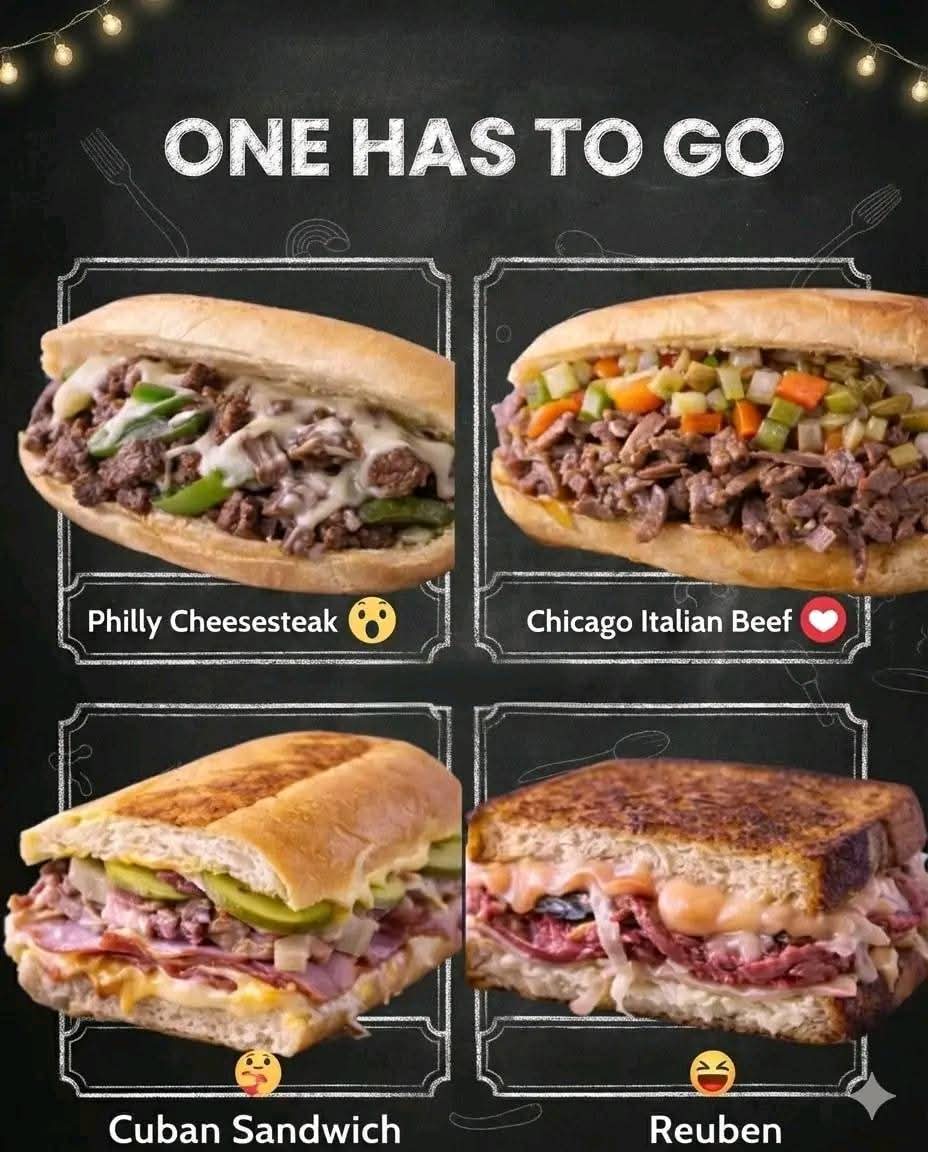
Here is a comprehensive guide to both iconic sandwiches, featuring a deep dive into the history, recipe, and culture surrounding the Philadelphia Cheesesteak and the Chicago Italian Beef.
🥩 A Tale of Two Sandwiches: Philly Cheesesteak vs. Chicago Italian Beef
Introduction
American cuisine is rich with regional icons, but few dishes inspire as much loyalty and debate as the Philadelphia Cheesesteak and the Chicago Italian Beef. One is a griddled, greasy, cheesy masterpiece of simplicity, while the other is a slow-roasted, juicy, spice-laden fork-tender experience. They represent the best of working-class culinary ingenuity: transforming modest cuts of beef into legendary meals. This guide will explore both in exhaustive detail, providing you with authentic recipes, historical context, nutritional insights, and the local lingo you need to appreciate them fully.
—
Part 1: The Philadelphia Cheesesteak
History of the Cheesesteak
The story of the cheesesteak begins in the early 20th century on a hot dog stand in South Philadelphia. In the 1930s, Pat and Harry Olivieri, hot dog vendors, decided to try something different for lunch. They grilled some chopped beef and placed it on an Italian roll. As the story goes, a passing cab driver noticed the delicious smell, stopped to try one, and suggested the Olivieris forget about hot dogs and focus on this new creation .
They opened Pat’s King of Steaks near the Italian Market, and the sandwich was born. Interestingly, the original version was made without cheese. The “cheese” part of the cheesesteak didn’t appear until the 1940s or 1950s. Some accounts credit a manager at Pat’s named “Cocky Joe” Lorenza with first adding American cheese in 1951 . The cult favorite Cheez Whiz, a shelf-stable cheese product, came later in the late 1950s and quickly became a popular option for its creamy texture and ease of use . Today, Pat’s and its famous rival across the street, Geno’s, continue to serve thousands of sandwiches, embodying the friendly (and sometimes fierce) competition that defines this iconic food .
What Kind of Steak and Cheese to Use
The beauty of the cheesesteak lies in its simplicity, but the quality of the few ingredients is paramount.
· The Steak: The gold standard is ribeye steak. Its generous marbling of fat melts during cooking, basting the thin slices of meat and making them incredibly tender and flavorful . Top round is a leaner, more economical alternative that is also considered authentic . The key is to have the steak sliced as thin as possible, almost shaved. A butcher can do this for you, or you can achieve it at home by freezing the steak for 10-15 minutes to firm it up, making it easier to slice paper-thin with a sharp knife .
· The Cheese: This is a matter of personal and regional preference, often leading to heated debates .
· Cheez Whiz: The classic choice for many, offering a creamy, salty, and unmistakable “Philly” flavor .
· Provolone: The choice for purists and aficionados, providing a sharper, more distinct cheese flavor that melts beautifully .
· American Cheese: A solid middle-ground option that melts smoothly and offers a mild, creamy taste .
· The Bread: An authentic cheesesteak requires a soft-yet-chewy Italian hoagie roll with a slightly crisp exterior. In Philadelphia, Amoroso’s rolls are the most famous and coveted brand. The roll must be sturdy enough to hold the juicy meat and cheese without falling apart .
Lovers and Lingo
Ordering a cheesesteak in Philadelphia comes with its own shorthand. At Pat’s, you order in a specific cadence: type of cheese, with or without fried onions. For example, “Whiz wit” means a cheesesteak with Cheez Whiz and fried onions. “Provolone without” means provolone cheese and no onions . While peppers and mushrooms are common additions elsewhere, the classic Philly order is strictly about the meat, cheese, and onions.
Recipe: Authentic Philly Cheesesteak
This recipe brings the taste of South Philadelphia to your kitchen, focusing on the essential elements that make this sandwich a classic .
Introduction
Forget the fussy variations. This is the real deal: thinly shaved ribeye, melted provolone, and the optional but highly recommended drizzle of Cheez Whiz, all piled high on a toasted hoagie roll.
Ingredients
Ingredient Quantity Notes
Ribeye steak 10-12 ounces Well-marbled, partially frozen for easy slicing.
Kosher salt 1/2 tsp To season the steak.
Black pepper 1/2 tsp Freshly ground, to season the steak.
Olive oil 2 tbsp Divided.
Sweet onion 1/2 medium Sliced thinly.
Green bell pepper 1/2 Sliced. Optional, but included here.
Provolone cheese 2-3 slices Deli-sliced is best.
Hoagie rolls 2 Sturdy Italian rolls, toasted.
Cheez Whiz 1/4 cup Warmed, for drizzling.
Instructions
1. Prepare the Steak: Place the steak in the freezer on a plate for about 10-15 minutes. This firms it up, making it much easier to slice thinly. Using a sharp knife, slice the steak as thin as you possibly can against the grain. Season the sliced steak generously with salt and pepper .
2. Cook the Vegetables: Heat 1 tablespoon of olive oil in a large skillet or on a griddle over medium heat. Add the sliced onions and bell peppers. Cook, stirring occasionally, for 10-15 minutes, until they are softened and beginning to caramelize. Remove from the skillet and set aside .
3. Cook the Steak: Increase the heat to medium-high and add the remaining 1 tablespoon of olive oil. Add the sliced steak in a single, even layer. Let it cook undisturbed for about a minute to get a good sear. Then, using a spatula, begin to chop and flip the steak, breaking it up as you go. Cook for another 1-2 minutes until the steak is just cooked through but still tender .
4. Combine and Melt: Reduce the heat to low. Return the cooked onions and peppers to the skillet with the steak and stir to combine. Lay the provolone cheese slices over the top of the meat mixture. Let it sit for a minute to allow the cheese to melt .
5. Assemble and Serve: Give the cheesy meat mixture a final stir. Pack it generously into the toasted hoagie rolls. For the ultimate experience, drizzle the warm Cheez Whiz over the top. Serve immediately .
Nutritional Information (per serving)
The following nutrition facts are estimated based on a standard recipe with both provolone and Cheez Whiz .
Nutrient Amount % Daily Value*
Calories 994
Total Fat 55g 70%
Saturated Fat 23g 113%
Cholesterol 155mg 52%
Sodium 1670mg 73%
Total Carbohydrate 70g 25%
Dietary Fiber 6g 23%
Total Sugars 19g
Protein 57g
Calcium 472mg 36%
Iron 7mg 41%
\*Percent Daily Values are based on a 2,000 calorie diet.
Conclusion for the Philly Cheesesteak
The Philly Cheesesteak’s enduring appeal lies in its straightforward, unpretentious nature. It’s a harmonious blend of salty, savory beef, rich, melted cheese, and a sturdy roll that holds it all together. Whether you’re a “Whiz wit” purist or prefer provolone, mastering this sandwich at home is a delicious way to connect with a true piece of American food history.
—
Part 2: The Chicago Italian Beef
History of the Italian Beef
The origins of the Italian beef are a testament to immigrant ingenuity. In the early 1900s, Italian American immigrants working in the Chicago stockyards were often given or could afford only the toughest, least desirable cuts of beef . To make this meat palatable, they would slow-roast it for hours with Italian seasonings like garlic, oregano, and spices until it was fall-apart tender. The beef was then sliced impossibly thin and served on sturdy Italian bread, often dunked in the flavorful cooking juices (au jus) to add moisture and stretch the filling even further. This resourceful method turned a tough cut of meat into a flavorful, filling meal for their families .
The sandwich gradually moved from home kitchens to Italian weddings and banquets, where its popularity soared . By the 1930s and 1940s, pioneers like Pasquale Scala and Al Ferreri (of Al’s Beef) began opening small beef stands, formalizing the sandwich as a Chicago staple. For decades, it remained a cherished local secret, largely unknown outside the Chicago area until the FX television show The Bear brought it to international attention in 2022, sparking a nationwide surge in demand .
Preparation: The Art of the Jus
What sets the Italian Beef apart is its preparation. The process begins with a beef roast, typically from the top or bottom round . It’s seasoned generously and roasted slowly, often in a broth with garlic, oregano, and other spices. This long, slow cooking accomplishes two things: it tenderizes the meat and creates a rich, savory jus, which is the soul of the sandwich. After roasting and cooling, the beef is shaved paper-thin on a deli slicer. The sliced meat is then returned to the jus to simmer for hours, absorbing all that flavor and becoming incredibly moist .
Lovers and Lingo
Ordering an Italian beef is a highly customizable experience with its own unique vocabulary .
· “Hot” or “Sweet”: This refers to the toppings, not the temperature.
· “Hot” means topped with giardiniera, a spicy pickled vegetable mix (typically carrots, celery, and peppers in oil and spices).
· “Sweet” means topped with cooked, mild bell peppers.
· “Dipped,” “Wet,” or “Soaked”: This specifies how much jus you want on your sandwich.
· “Dipped” (or “wet”): The entire assembled sandwich is quickly dunked in the jus.
· “Soaked” or “Double-Dipped”: The bread is left in the jus longer, resulting in an extremely juicy (and messy) experience.
· “Dry”: The sandwich is served with little to no jus on the bread, though it’s often still served with a side cup of jus for dipping.
· “Combo”: An Italian sausage link is added to the sandwich alongside the beef .
Recipe: Authentic Chicago Italian Beef
This recipe captures the essence of a Chicago Italian beef, designed for a big, flavorful payoff.
Introduction
Unapologetically wet and spicy, this is the Italian beef sandwich that put Chicago on the culinary map. It’s a project, but the result is a deeply flavorful, incredibly tender, and utterly satisfying sandwich that feeds a crowd.
Ingredients
Ingredient Quantity Notes
For the Beef and Jus
Beef top round or sirloin tip roast 4-5 lbs A lean but tough cut, perfect for slow roasting.
Beef broth 4 cups Low-sodium recommended.
Water 2 cups
Garlic cloves 6-8 Smashed.
Dried oregano 2 tbsp
Dried rosemary 1 tbsp Crushed.
Red pepper flakes 1-2 tsp Adjust for desired heat level.
Black pepper 1 tbsp Freshly ground.
Salt To taste
For Serving
Italian/French bread rolls 8-10 Crusty and sturdy, like Turano or a fresh baguette.
Giardiniera To taste Hot or mild, for the “hot” version.
Roasted bell peppers To taste Sliced, for the “sweet” version.
Instructions
1. Prepare the Roast: Preheat your oven to 300°F (150°C). Pat the beef roast dry with paper towels and season generously on all sides with salt and black pepper. Heat a large Dutch oven or heavy-bottomed pot over medium-high heat. Add a tablespoon of oil and sear the roast on all sides until deeply browned .
2. Create the Jus: Remove the roast from the pot. Add the beef broth, water, smashed garlic, oregano, rosemary, and red pepper flakes to the pot. Scrape the bottom of the pot with a wooden spoon to release any browned bits (fond). Return the roast to the pot. The liquid should come about halfway up the sides of the roast.
3. Slow-Roast: Cover the pot and place it in the preheated oven. Roast for 3.5 to 4.5 hours, or until the meat is fork-tender and easily shreds.
4. Chill and Slice: Carefully remove the roast from the pot and place it on a cutting board. Let it cool completely, then wrap it tightly and refrigerate for at least 4 hours, or preferably overnight. Chilling the meat is crucial; it firms up the roast, allowing you to slice it paper-thin. Strain the cooking liquid (the jus) into a large bowl, discarding the solids. Refrigerate the jus separately. Once chilled, you can easily skim the solidified fat off the top of the jus.
5. Reheat and Assemble: Using a sharp knife or deli slicer, slice the chilled beef as thinly as humanly possible. Place the sliced beef in a large pot or slow cooker. Pour the defatted jus over the beef. Gently reheat over low heat until the beef is hot and has absorbed some of the jus.
6. Build Your Sandwich: Pile the juicy beef high onto a crusty roll. Top with either spicy giardiniera (“hot”) or sweet bell peppers (“sweet”). For the full experience, dip the assembled sandwich into the warm jus just before serving .
Nutritional Information (per serving)
This data is based on a standard 8 oz serving of Italian beef with gravy, served on a roll. Note that the calorie count will increase significantly with the addition of the roll and toppings .
Nutrient (Beef & Gravy only) Amount % Daily Value*
Calories ~220
Total Fat 4g 5%
Saturated Fat 0g 0%
Cholesterol 0mg 0%
Sodium 1670mg 73%
Total Carbohydrate 12g 4%
Protein 36g 64%
Iron 3mg 38%
Nutrient (Complete Sandwich)** Amount % Daily Value*
Calories ~500-600
Total Fat 22g 28%
Saturated Fat 8g 40%
Cholesterol 50mg 17%
Sodium 2800mg+ 122%+
Total Carbohydrate 34g 12%
Protein 48g
\*Percent Daily Values are based on a 2,000 calorie diet.
\*\*Estimates based on combining beef data with sandwich data .
Conclusion for the Chicago Italian Beef
The Chicago Italian Beef is more than a sandwich; it’s a culinary history lesson in a bun. It represents the resourcefulness of immigrants who turned necessity into a cherished delicacy. With its tender, spiced beef, its savory jus, and the sharp bite of giardiniera, it’s an unforgettable eating experience that demands your full attention—and plenty of napkins.
Final Word for Lovers of Both
For the lover of the Philly Cheesesteak, you value immediate, griddled gratification—the sizzle of the flat top, the sharpness of provolone, and the simple joy of meat and cheese in perfect harmony. For the lover of the Chicago Italian Beef, you appreciate patience and process—the hours of slow roasting, the build of spices, and the glorious, juicy mess of it all. Both sandwiches, born from the same spirit of making something extraordinary from humble beginnings, stand as proud testaments to the cities they call home.