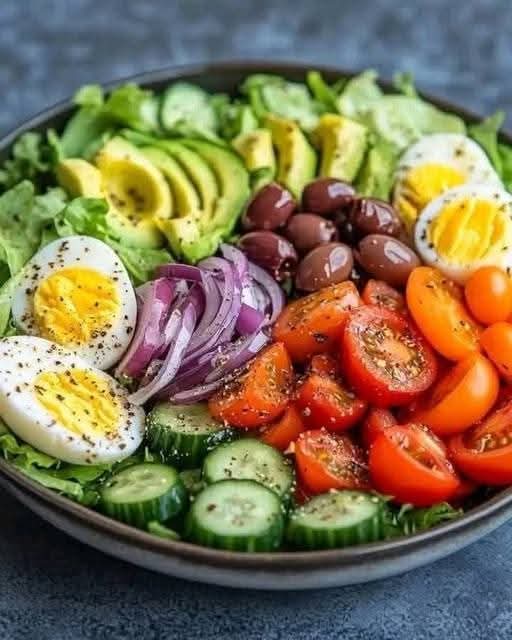
Of course. Here is a comprehensive, detailed guide to the Mediterranean Power Salad, crafted as a complete culinary resource.
—
The Mediterranean Power Salad: A Symphony of Sun, Sea, and Sustenance
The Mediterranean Power Salad is not merely a meal; it is a vibrant, edible expression of a lifestyle revered for centuries. It captures the essence of the sun-drenched coasts of Greece, Italy, and Southern France—a harmony of fresh, colorful, and nutrient-dense ingredients that fuel the body and delight the senses. This recipe is designed to be both a foundational guide and an inspiration, offering a perfect balance of lean protein, healthy fats, and complex carbohydrates. It’s a lunch that powers you through an afternoon, a light yet satisfying dinner, or a stunning centerpiece for a shared table.
—
Historical & Cultural Roots
The salad draws its philosophy from the traditional Mediterranean Diet, a pattern of eating recognized by UNESCO as an Intangible Cultural Heritage of Humanity. This isn’t a “diet” in the modern sense, but a way of life born in the 1960s from the observed excellent health and longevity of communities in Crete, Greece, and southern Italy. Their secret was an abundance of vegetables, fruits, legumes, whole grains, olive oil, and moderate amounts of fish and dairy, with meat used sparingly. This salad is a direct descendant of that tradition—a modern, composed plate that honors the ancient, time-tested wisdom of eating from the land and sea.
—
Health Benefits: Why It’s a “Power” Salad
This salad is a nutritional powerhouse, with each ingredient contributing to overall well-being:
· Heart & Brain Health: Olive oil and avocado provide monounsaturated fats, while walnuts offer Omega-3s, all supporting cardiovascular and cognitive function.
· Sustained Energy: Chickpeas and quinoa are excellent sources of fiber and plant-based protein, ensuring stable blood sugar levels and long-lasting satiety.
· Antioxidant Boost: The colorful array of vegetables (peppers, cucumber, tomatoes) and herbs are loaded with vitamins, minerals, and antioxidants that combat inflammation and oxidative stress.
· Digestive Health: The high fiber content from diverse vegetables, legumes, and grains promotes a healthy gut microbiome.
· Bone & Muscle Support: Feta cheese provides calcium, while eggs and legumes contribute protein for muscle maintenance.
—
Ingredients (Serves 2 generously)
For the Salad Base:
· 3 cups mixed robust greens (e.g., romaine, kale, spinach)
· 1 cup cooked quinoa, cooled
· 1 (15 oz) can chickpeas, rinsed and drained
· 1 large ripe avocado, diced
· 1 medium cucumber, diced
· 1 cup cherry tomatoes, halved
· 1/2 red onion, thinly sliced
· 1/2 bell pepper (any color), diced
· 2 hard-boiled eggs, quartered
· 1/3 cup crumbled feta cheese
· 1/4 cup Kalamata olives, pitted
· 2 tbsp toasted walnuts or pine nuts
· 2 tbsp fresh parsley or dill, chopped
For the Lemon-Herb Vinaigrette:
· 1/4 cup extra-virgin olive oil
· 3 tbsp fresh lemon juice
· 1 small garlic clove, minced
· 1 tsp dried oregano
· 1/2 tsp Dijon mustard
· Salt and freshly ground black pepper to taste
—
Method & Preparation
Step 1: The Foundation (The Build)
1. Cook & Cool: Prepare quinoa according to package instructions. Spread on a plate to cool completely.
2. Prep All Ingredients: Wash and chop all vegetables, cheese, and herbs. This mise en place ensures a smooth assembly.
3. Toast the Nuts: In a small dry skillet over medium heat, toast walnuts for 3-5 minutes until fragrant. Set aside.
Step 2: The Elixir (The Dressing)
1. In a small jar or bowl, combine lemon juice, minced garlic, oregano, Dijon mustard, salt, and pepper.
2. Whisk vigorously while slowly streaming in the extra-virgin olive oil until the dressing is emulsified. Alternatively, seal the jar and shake vigorously. Taste and adjust seasoning.
Step 3: The Art of Assembly (The Formation)
The formation is key to visual appeal and flavor distribution. Do not toss. For the best presentation:
1. On a large plate or shallow bowl, create a bed of the mixed greens.
2. Arrange the cooled quinoa and chickpeas in distinct mounds or sections.
3. Artfully place the avocado, cucumber, tomatoes, bell pepper, and red onion in colorful groupings around the plate.
4. Top with the quartered hard-boiled eggs, crumbled feta, olives, and toasted nuts.
5. Drizzle the dressing generously over the entire salad just before serving.
6. Finish with a final flourish of chopped fresh herbs.
—
Nutritional Profile (Per Serving, Approximate)
· Calories: 650-750 kcal
· Protein: 25-30g
· Total Fat: 45-50g (Primarily unsaturated)
· Carbohydrates: 45-55g
· Dietary Fiber: 15-18g
· Key Vitamins/Minerals: High in Vitamin A, C, K, Folate, Iron, and Calcium.
—
For the Salad Lover: Customizations & Pairings
· Protein Swaps: Substitute grilled chicken, shrimp, salmon, or canned tuna for the eggs.
· Vegan Version: Omit eggs and feta; use a vegan cheese or add extra avocado and chickpeas.
· Grain-Free: Replace quinoa with steamed broccoli florets or cauliflower rice.
· Extra Crunch: Add toasted sunflower seeds or homemade garlicky croutons.
· Perfect Pairings: Serve with a side of warm whole-wheat pita bread, a glass of chilled Assyrtiko white wine or sparkling water with lemon, and finish with fresh figs and Greek yogurt for dessert.
—
Conclusion
The Mediterranean Power Salad is more than the sum of its parts. It is a testament to the enduring power of simple, whole foods prepared with care and intention. It offers a culinary journey to the shores of the Mediterranean with every bite, delivering profound satisfaction and tangible vitality. By embracing this recipe, you are not just making a salad; you are participating in a wholesome, joyful, and healthful tradition that nourishes the body, pleases the palate, and celebrates the vibrant colors of life itself. It is a dish for lovers of food, health, and shared moments at the table.