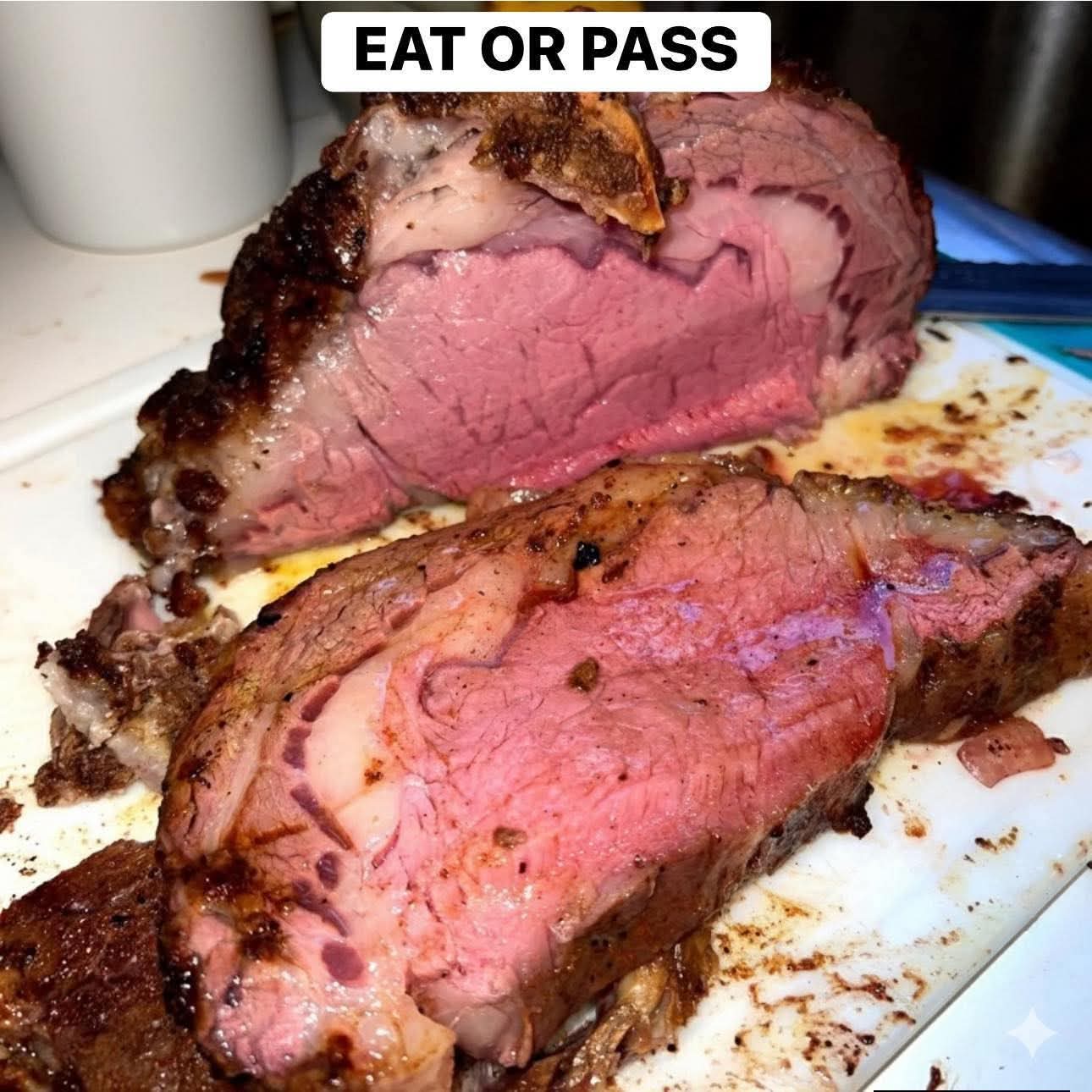
Absolutely! Let’s craft a full, lavish guide to Prime Rib Perfection—all the way from its history to the ultimate dinner experience. 🥩🔥
Prime Rib Perfection Recipe Guide
Introduction
Prime rib is the crown jewel of beef cuts. Known for its rich marbling, tender texture, and incredible flavor, this roast is a centerpiece for holidays, celebrations, or any occasion that deserves indulgence. Properly cooked, it’s juicy, tender, and so aromatic it practically announces itself from the oven. The secret lies in a combination of quality meat, proper seasoning, slow roasting, and a perfect crust. Serve it with creamy horseradish sauce, roasted vegetables, or a glass of bold red wine, and you have a meal that’s nothing short of legendary.
History
Prime rib, also known as a standing rib roast, has been a luxury dish for centuries. Its origins trace back to European royalty and British aristocracy, where prime cuts of beef were reserved for banquets and special occasions. In the U.S., it became popular in the 19th and 20th centuries as the “rib roast” or “standing rib roast,” revered for its rich flavor and tenderness. Traditionally roasted slowly over low heat, it exemplifies comfort, sophistication, and culinary mastery.
Ingredients (serves 6–8)
For the Roast:
- 1 prime rib roast (5–7 lbs, bone-in preferred)
- 3 tbsp olive oil
- 3–4 cloves garlic, minced
- 2 tsp kosher salt
- 1 tsp freshly ground black pepper
- 1 tbsp fresh rosemary, chopped
- 1 tbsp fresh thyme, chopped
- 1 tsp Dijon mustard (optional, for crust)
For Serving:
- Horseradish cream sauce or au jus
- Roasted vegetables (potatoes, carrots, parsnips)
- Fresh herbs for garnish
Methods & Instructions
1. Preparing the Prime Rib
- Remove the roast from the fridge at least 2 hours before cooking to reach room temperature. This ensures even cooking.
- Pat dry with paper towels.
- Mix olive oil, garlic, salt, pepper, rosemary, thyme, and Dijon mustard into a paste.
- Rub the mixture generously over the entire roast, including the fat cap.
2. Slow Roasting (Classic Method)
- Preheat oven to 250°F (120°C).
- Place the roast bone-side down on a rack in a roasting pan.
- Insert a meat thermometer into the center of the thickest part.
- Roast slowly until the internal temperature reaches:
- 120°F (49°C) for rare
- 130°F (54°C) for medium-rare
- 140°F (60°C) for medium
(This usually takes 3–4 hours for a 6-lb roast.)
- Remove from oven, tent with foil, and rest for 20–30 minutes.
3. Searing for a Perfect Crust
- Increase oven temperature to 500°F (260°C).
- Place roast back in oven for 5–10 minutes until crust is deep golden brown.
- Remove, rest again for 10 minutes, then slice against the grain.
4. Optional Methods (Lovers’ Tricks)
- Reverse Sear Method: Roast at low temperature first, then sear in a hot cast iron pan for 3–5 minutes per side.
- Herb Butter Lovers’ Touch: After resting, brush with herb butter to add extra richness and glossy finish.
Formation
- Slice 1-inch thick slices for perfect presentation.
- Arrange on a platter, drizzle with au jus, and garnish with fresh rosemary sprigs.
- Pair with roasted garlic mashed potatoes and seasonal vegetables.
Conclusion
Prime rib isn’t just a roast—it’s an experience. The combination of tender, juicy meat, aromatic herbs, and a crispy crust makes every bite a moment of culinary bliss. It’s a centerpiece that draws loved ones together, sparks conversation, and leaves everyone asking for seconds.
For the Lovers of Prime Rib
- Serve with a robust Cabernet Sauvignon or Malbec to match the richness.
- Add creamy horseradish sauce for a spicy-smooth contrast.
- Save leftovers for decadent sandwiches or shredded beef tacos.
Prime rib is comfort, celebration, and love all in one dish. Cook it slowly, carve it beautifully, and enjoy every indulgent bite. 🥩❤️
If you want, I can also make a printable “Ultimate Prime Rib Cooking Chart” showing time, temp, doneness, and resting instructions—so you never over or undercook it. It would be perfect for kitchen reference.
Do you want me to make that?