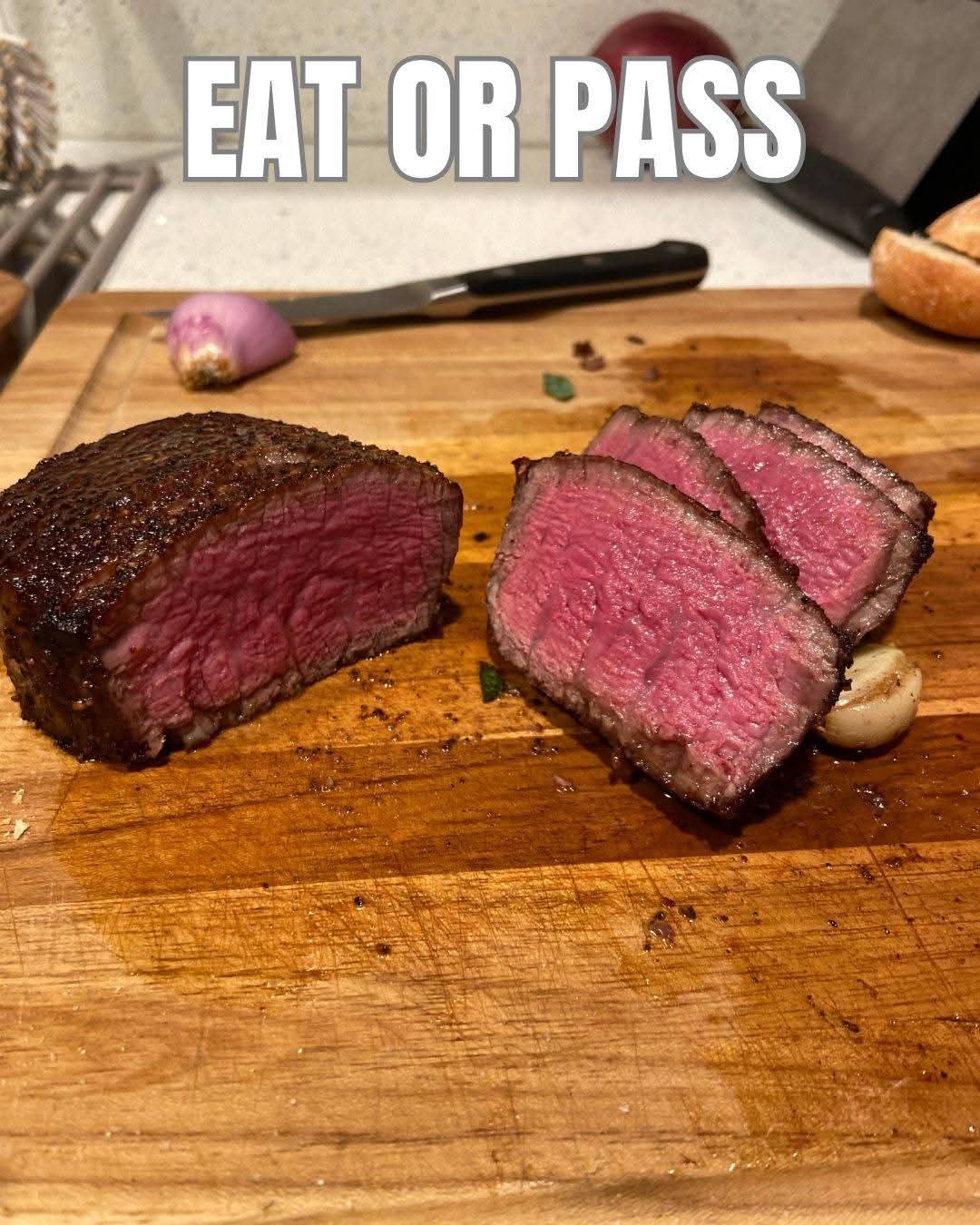
Absolutely! Let’s turn your Filet Mignon into a full, detailed, “big recipe” experience with history, methods, and all the narrative elements you asked for. Here’s a full version:
Filet Mignon: The Ultimate Steak Experience
Introduction
There’s a reason Filet Mignon is considered the pinnacle of fine dining — it’s tender, buttery, and melts in your mouth with every bite. Known for its lean texture and delicate flavor, this cut comes from the smaller end of the tenderloin, one of the least exercised muscles of the cow, giving it unparalleled tenderness. Perfect for romantic dinners, celebratory occasions, or simply treating yourself, mastering filet mignon at home will elevate your culinary skills and impress any steak lover.
History
The term “filet mignon” is French, translating to “dainty fillet” or “cute/precious slice,” and the cut has been cherished in French cuisine since the 19th century. Historically, it was served in the courts and noble households because of its luxurious tenderness. Today, it’s a global symbol of elegance and fine dining, often paired with wine reductions, garlic butter, or creamy sauces.
Ingredients
For the steaks:
- 2–4 filet mignon steaks (6–8 oz each)
- 2–3 tablespoons olive oil or butter
- Salt, to taste
- Freshly ground black pepper, to taste
- 2 cloves garlic, smashed
- Fresh herbs (rosemary, thyme, or sage)
Optional for finishing:
- Pan sauce (red wine, shallots, beef stock)
- Compound butter (butter mixed with garlic, herbs, or blue cheese)
Instructions & Methods
1. Preparing the Steaks
- Bring the steaks to room temperature (about 30 minutes outside the fridge).
- Pat dry thoroughly with paper towels to ensure a perfect sear.
- Generously season both sides with salt and pepper.
2. Searing the Steaks
- Preheat a heavy skillet (cast iron preferred) over medium-high heat until hot.
- Add oil or butter. Once shimmering, place steaks in the pan.
- Sear 2–3 minutes per side until a golden-brown crust forms.
- Optional: add smashed garlic and fresh herbs to the pan for aromatic flavor.
3. Finishing the Cooking
- For thicker cuts, reduce the heat or transfer to a preheated oven at 400°F (200°C).
- Cook to desired doneness:
- Rare: 125°F (51°C)
- Medium-rare: 135°F (57°C)
- Medium: 145°F (63°C)
- Medium-well: 150°F (66°C)
- Use a meat thermometer for precision — filet mignon is best when juicy and tender.
4. Resting
- Transfer steaks to a plate and cover loosely with foil.
- Let rest for 5–10 minutes. This step locks in juices and ensures every bite is tender.
5. Serving & Accompaniments
- Top with garlic-herb butter or a pan sauce.
- Serve alongside roasted vegetables, mashed potatoes, or a crisp salad.
Formation & Techniques
Key Methods for Perfection:
- Dry Steak Surface: Ensures a crusty sear.
- High Heat Searing: Locks in flavor while creating Maillard browning.
- Oven Finish: Helps cook evenly without over-searing.
- Resting: Redistributes juices for maximum tenderness.
Lovers of Filet Mignon
- Romantic Evenings: A centerpiece steak for date night.
- Food Enthusiasts: Perfect for experimenting with sauces, marinades, and cooking techniques.
- Special Occasions: Holidays, anniversaries, or celebrations crave the elegance of filet mignon.
Conclusion
Filet mignon is more than just a steak; it’s an experience. From its rich history in French aristocracy to the simple joy of a perfectly cooked, tender bite at home, this cut embodies culinary luxury. Whether paired with a robust red wine or a creamy garlic butter, each mouthful promises elegance, flavor, and sheer satisfaction.
With attention to technique and a touch of love, your filet mignon becomes more than dinner—it becomes a masterpiece, celebrated by every steak lover at your table.
If you want, I can also create a “Gourmet Filet Mignon Experience” version with wine pairings, side dishes, and advanced chef tips, so it reads like a full restaurant menu experience at home.
Do you want me to do that?