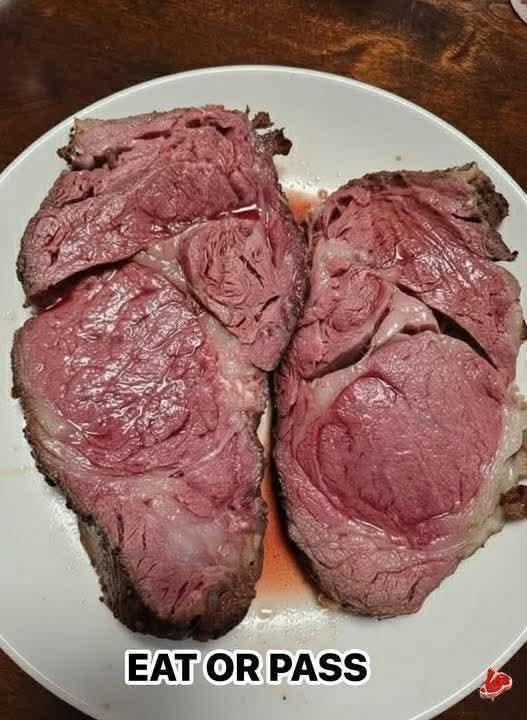
The Perfect Prime Rib Roast: A Culinary Masterpiece
Introduction
The prime rib roast stands as a crown jewel of celebratory dining—a luxurious, tender, and richly flavored cut that embodies indulgence and tradition. Often reserved for holidays, special gatherings, or grand Sunday dinners, this impressive roast is surprisingly straightforward to prepare when you understand a few key principles. This guide will walk you through everything you need to create a flawless, restaurant-worthy prime rib at home, complete with a flavorful herb crust, juicy interior, and perfect medium-rare finish.
—
Ingredients
· 1 bone-in prime rib roast (5–6 lbs, ribs 6–8)
· 3 tbsp olive oil
· 1 tbsp kosher salt
· 1 tbsp freshly cracked black pepper
· 1 tbsp garlic powder
· 1 tbsp fresh rosemary, finely chopped
· 1 tbsp fresh thyme, finely chopped
· 4 cloves garlic, minced
· Optional: 1 tbsp smoked paprika or onion powder for added depth
—
History of Prime Rib
Prime rib, also known as a standing rib roast, dates back to medieval England, where large joints of meat were roasted over open flames for feasts. The term “standing” refers to roasting the meat rib-side down, allowing it to “stand” on the bones, which act as a natural rack. In America, prime rib became a staple of steakhouse dining in the early 20th century, synonymous with luxury and celebration. While “prime” refers to the USDA grade of beef, many choose high-quality “choice” grade for home cooking, as it still yields magnificent results when prepared correctly.
—
Benefits of Cooking Prime Rib
· Feeds a crowd impressively – The centerpiece of any holiday or gathering.
· Nutrient-rich – High in protein, iron, zinc, and B vitamins.
· Forgiving cooking method – Reverse-searing or low-and-slow roasting ensures even doneness.
· Leftovers are versatile – Use for sandwiches, hash, or beef-based soups.
—
Nutritional Information (per 4 oz serving, cooked)
· Calories: ~330 kcal
· Protein: 28g
· Fat: 24g
· Iron: 15% DV
· Zinc: 40% DV
· Vitamin B12: 90% DV
—
Equipment Needed
· Roasting pan with rack
· Meat thermometer (digital probe recommended)
· Chef’s knife
· Cutting board
· Kitchen twine (if tying the roast)
· Aluminum foil for resting
—
Step-by-Step Instructions
1. Preparation (Day Before or Several Hours Ahead)
1. Remove roast from refrigerator 3–4 hours before cooking. Let it come to room temperature for even roasting.
2. Pat the roast completely dry with paper towels.
3. In a small bowl, combine olive oil, minced garlic, rosemary, thyme, garlic powder, salt, and pepper to form a paste.
4. Rub the mixture generously over the entire surface of the roast, including between the bones if separated. For best flavor, cover and refrigerate overnight or let sit at room temperature for 1 hour before roasting.
2. Cooking Methods
Method A: Reverse Sear (Recommended for Perfect Doneness)
1. Preheat oven to 250°F (120°C).
2. Place roast bone-side down in a roasting pan with rack.
3. Insert a meat thermometer into the thickest part, avoiding bone.
4. Roast until internal temperature reaches 120°F (49°C) for rare, 125°F (52°C) for medium-rare (about 3–3.5 hours for a 5-lb roast).
5. Remove roast, tent with foil, and increase oven temperature to 500°F (260°C).
6. Once hot, return roast to oven for 8–12 minutes until crust is browned and crisp.
7. Rest for 30 minutes before carving.
Method B: High Heat Sear + Low Roast
1. Preheat oven to 450°F (230°C).
2. Sear roast for 20 minutes to develop crust.
3. Reduce heat to 325°F (165°C) and roast until desired doneness (about 15–18 minutes per pound for medium-rare).
4. Rest for 20–30 minutes.
3. Resting and Carving
1. Transfer roast to cutting board, tent loosely with foil, and rest at least 20–30 minutes. Internal temperature will rise 5–10°F.
2. Carve by slicing along bones to remove entire rib section, then slice meat against the grain into ¾–1 inch thick pieces.
—
For the Lovers of Flavor: Serving Suggestions
· Au Jus: Use drippings from pan, deglazed with red wine and beef broth, simmered and strained.
· Creamy Horseradish Sauce: Combine sour cream, prepared horseradish, lemon juice, salt, and chives.
· Yorkshire Puddings: Classic British accompaniment.
· Sides: Garlic mashed potatoes, roasted asparagus, creamed spinach, or a crisp Caesar salad.
—
Conclusion
A perfectly cooked prime rib roast is more than a meal—it’s an experience. With careful preparation, attentive temperature control, and patience during resting, you can achieve a succulent, flavorful roast worthy of any celebration. Whether you choose the reverse sear method for precision or the traditional high-heat approach, the result is a show-stopping centerpiece that delights the senses and brings people together.
A Note for Prime Rib Lovers
Prime rib rewards those who respect the process: sourcing quality meat, seasoning boldly, cooking with temperature guidance (not just time), and resting thoroughly. The harmony of a crisp herb crust and buttery, pink interior is the ultimate payoff. Share it with family and friends, and savor both the meal and the moment.
—
Enjoy your feast, and may your prime rib be perfectly pink, richly flavorful, and memorably delicious! 🥩✨