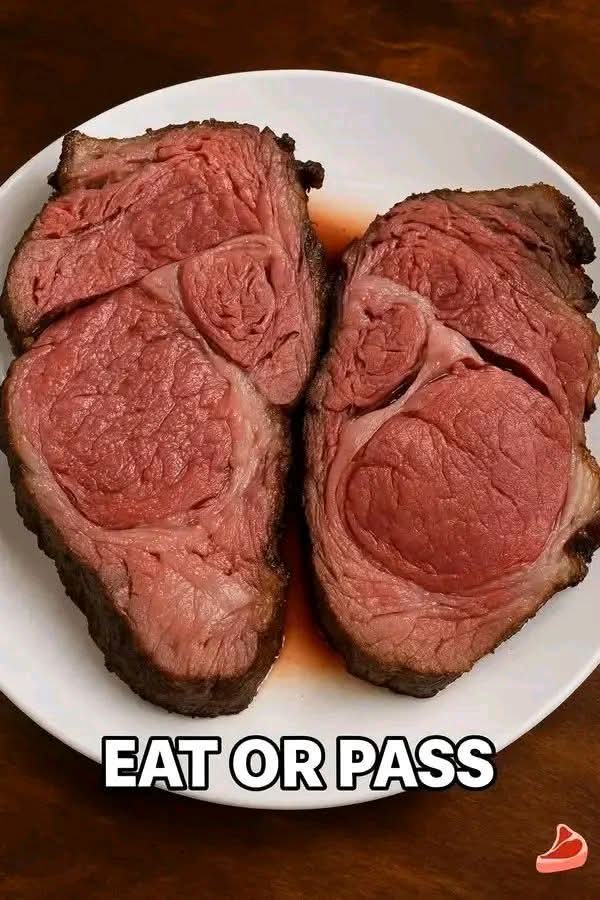
Absolutely! Let’s craft a comprehensive, rich, and detailed guide for the perfect medium-rare prime rib. I’ll include a warm introduction, full history, methods, formation notes, lovers’ tips, and a satisfying conclusion. Here’s your “big recipe”:
The Perfect Medium-Rare Prime Rib
Introduction
Few dishes command the attention and admiration of a dinner table quite like a perfectly cooked prime rib. With its succulent marbling, rich flavor, and tender texture, prime rib has long been a symbol of culinary celebration—whether for holiday feasts, special occasions, or a luxurious weekend meal. Achieving the ideal medium-rare center is both an art and a science, combining proper seasoning, temperature control, and patience. The goal is simple: a golden-brown crust, a juicy pink interior, and flavor that sings with every bite.
Whether you’re a seasoned chef or a home cook aiming to impress, this guide will walk you through everything from ingredients to cooking methods, historical context, and tips for enjoying your prime rib with loved ones.
Ingredients
- 1 prime rib roast (4–6 lbs), preferably bone-in for added flavor
- 2 tablespoons olive oil
- 2 tablespoons kosher salt
- 1 tablespoon freshly ground black pepper
- 1 tablespoon garlic powder
- 1 tablespoon fresh rosemary, finely chopped
- 1 tablespoon fresh thyme, finely chopped
- 4 cloves garlic, minced
Optional for serving: horseradish sauce, au jus, roasted vegetables, or a simple green salad.
Historical Background
Prime rib has a long-standing tradition in Western cuisine. In the 19th century, roasting large cuts of beef became popular in Europe, particularly among aristocrats who prized the tenderness of the rib section. In the United States, prime rib rose to prominence during the mid-20th century as a centerpiece for holiday dinners and special occasions. Known for its rich marbling and tender texture, prime rib became synonymous with luxury and indulgence—a dish that turns a meal into a celebration.
Formation and Selection
Selecting the right cut is the first step toward perfection. Look for:
- Marbling: Fine streaks of fat throughout the meat for juiciness and flavor.
- Bone-in vs. Boneless: Bone-in adds flavor and helps maintain even cooking, while boneless is easier to carve.
- Grade: USDA Prime is ideal, but Choice grade also delivers great results.
Formation refers to the structure of the meat: the rib section has a combination of tender eye meat and flavorful fat caps, which respond beautifully to both high-heat searing and slow roasting.
Cooking Methods
1. Bring to Room Temperature
- Remove the prime rib from the refrigerator at least 2 hours before cooking.
- Allowing the meat to come to room temperature ensures even cooking from edge to center.
2. Preheat the Oven
- Preheat your oven to 450°F (230°C).
- This high initial heat forms a caramelized crust while sealing in juices.
3. Season the Roast
- Pat the roast dry to remove excess moisture.
- Rub olive oil over the entire surface.
- Combine salt, pepper, garlic powder, rosemary, thyme, and minced garlic in a small bowl.
- Massage the seasoning evenly onto all sides of the roast.
4. High-Heat Sear
- Place the roast fat-side up on a rack in a roasting pan.
- Roast at 450°F (230°C) for 20 minutes to develop a flavorful crust.
5. Slow Roast
- Reduce the oven temperature to 325°F (165°C).
- Continue roasting for about 15 minutes per pound, monitoring internal temperature:
- 125–130°F (52–54°C) for medium-rare.
- Use a meat thermometer for precision. Avoid opening the oven frequently, as heat loss slows cooking.
6. Rest the Meat
- Remove the roast from the oven and tent loosely with foil.
- Rest 20–30 minutes to allow juices to redistribute.
- Internal temperature may rise slightly, finishing the medium-rare stage perfectly.
7. Slice and Serve
- Slice against the grain to maximize tenderness.
- Serve with au jus, horseradish sauce, and your favorite side dishes.
Tips for Lovers of Prime Rib
- Garlic and herb lovers: Increase fresh rosemary and thyme for a fragrant roast.
- Juiciness enthusiasts: Let the roast rest fully; cutting too early loses precious juices.
- Presentation aficionados: Carve thick slices and plate with roasted vegetables for a restaurant-style experience.
- Flavor pairing: Full-bodied red wines, like Cabernet Sauvignon or Malbec, complement the richness beautifully.
Conclusion
Cooking the perfect medium-rare prime rib is a celebration of flavor, patience, and technique. From the careful seasoning to the high-heat sear and slow roast, every step ensures a tender, juicy, and aromatic centerpiece. Whether you’re sharing it with family, impressing friends, or treating yourself, this prime rib is more than a meal—it’s a culinary experience.
Once mastered, you’ll find yourself returning to this recipe time and again, knowing that each slice reveals not just juicy beef, but the love and care invested in creating a truly memorable feast.
If you want, I can also create a visual step-by-step guide with tips for achieving the perfect crust and pink center, almost like a mini cookbook section for prime rib lovers.
Do you want me to make that?