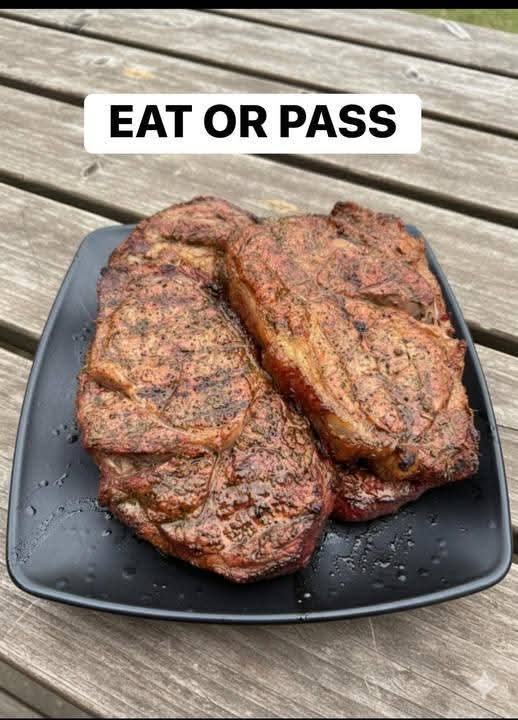
Sure, I’ll help you craft a full recipe, with an introduction, history, and all the bells and whistles. Here’s the big recipe you requested:
Plate of Ribeye Steaks
Introduction:
A classic and decadent dish, the ribeye steak is a beloved choice for steak lovers worldwide. Known for its marbling, tenderness, and rich, beefy flavor, ribeye comes from the rib section of the cow. Whether you’re grilling, pan-searing, or broiling, this cut is a showstopper. This recipe is designed to bring out the best in your ribeye, highlighting its natural flavors with a simple yet effective approach. Paired with fresh herbs and garlic, the steak is cooked to a perfect medium-rare (though you can adjust to your preference), resulting in a crispy, flavorful crust with a juicy, tender interior.
This recipe is ideal for a cozy dinner for two or a casual gathering for up to four. Let’s get cooking!
Ingredients (Serves 2–4):
- 2–4 ribeye steaks (10–12 oz / 280–340 g each, about 1–1.5 inches thick)
- 2 tbsp olive oil (or melted butter for a richer flavor)
- 3–4 cloves garlic, smashed (use fresh for the best aroma)
- 2–3 sprigs fresh rosemary or thyme (rosemary offers a piney flavor, thyme adds an earthy depth)
- 1 tsp kosher salt (for seasoning)
- ½ tsp freshly cracked black pepper (for seasoning)
History of the Ribeye Steak:
Ribeye steak is often considered the king of steaks. Originating from the rib section of the cow, it derives its name from its marbling — the white streaks of fat interspersed within the muscle. This fat melts during cooking, imparting a juicy and tender texture that makes ribeye a premium cut. It became particularly popular in the U.S. during the 20th century, especially in steakhouses, due to its rich, flavorful profile.
The name “ribeye” comes from the “eye” of the rib, the round section of the meat, surrounded by the fat. Many consider this cut the perfect balance between tenderness and flavor, especially when cooked over high heat to develop a beautifully caramelized crust. Whether you’re a novice or a seasoned steak aficionado, the ribeye has a history of delighting the palates of many.
Methods & Instructions:
Preparation:
- Season the steaks: Take the ribeye steaks out of the fridge 30–60 minutes before cooking to bring them to room temperature. This ensures even cooking. Pat them dry with paper towels to remove any excess moisture. Season both sides generously with kosher salt and cracked black pepper. Don’t be shy with the seasoning — it’s what creates that delicious crust!
- Heat the pan: Heat a large cast-iron skillet (or any heavy-bottomed pan) over medium-high heat. Add 2 tablespoons of olive oil or melted butter, and let it heat up until it’s shimmering. For extra richness, you can even combine both olive oil and butter. The combination provides both a crispy sear and that rich, savory flavor.
- Sear the steaks: Once the oil is hot, carefully place the steaks in the pan, ensuring they don’t touch each other. You want a good sear, so don’t overcrowd the pan. Let them cook undisturbed for about 4–5 minutes per side for a medium-rare steak (adjust cooking time for your preferred doneness). Flip them using tongs to avoid piercing the meat.
- Add garlic and herbs: After flipping, toss in the smashed garlic cloves and sprigs of rosemary or thyme. Tilt the pan slightly, and use a spoon to baste the steaks with the flavored oil and butter. This step enhances the steak’s flavor, allowing the herbs and garlic to infuse the meat.
- Rest the steaks: Once the steaks are cooked to your liking, remove them from the pan and place them on a cutting board. Tent with aluminum foil and let them rest for 5–10 minutes. This allows the juices to redistribute, ensuring the steak remains juicy and tender when sliced.
To Serve:
Slice against the grain into thick slices and serve on a warm plate. The steak is fantastic on its own, but you can pair it with sides like mashed potatoes, sautéed vegetables, or a fresh salad. If you’re feeling indulgent, a drizzle of balsamic glaze or compound butter can elevate the flavor even further.
Additional Methods & Tips:
- Grill Method: If you prefer grilling, preheat your grill to high heat. Season your steaks as described, and grill the steaks for 4-6 minutes per side, depending on thickness and desired doneness. Remember to rest them afterward.
- Oven-Broiling Method: If you don’t have a skillet or prefer an oven, you can broil your steaks. Preheat the broiler on high, and place the steaks on a broiler pan. Broil 3-4 inches from the heat source, turning halfway through for even cooking.
- Temperature Guidelines:
- Rare: 120–125°F (49–52°C)
- Medium-rare: 130–135°F (54–57°C)
- Medium: 140–145°F (60–63°C)
- Medium-well: 150–155°F (66–68°C)
- Well-done: 160°F+ (71°C+)
Lovers of Ribeye:
Ribeye steak has long been a favorite among steak lovers, from casual home cooks to professional chefs. Its indulgent texture and flavor make it a staple in steakhouses and upscale restaurants. Fans of ribeye appreciate the generous marbling of fat that makes the meat so juicy and tender. Whether grilled over an open flame or cooked in a pan, the result is always satisfying.
Conclusion:
The ribeye steak is a perfect marriage of tenderness and flavor. This recipe brings out the best in the meat, highlighting its natural marbling and enhancing it with aromatic garlic and fresh herbs. Whether you’re preparing a special dinner or simply treating yourself to an indulgent meal, this recipe will guarantee you the perfect steak. Paired with your favorite sides and a glass of red wine, it’s a meal that’s sure to impress.
Enjoy your plate of perfectly cooked ribeye steaks! Happy cooking!