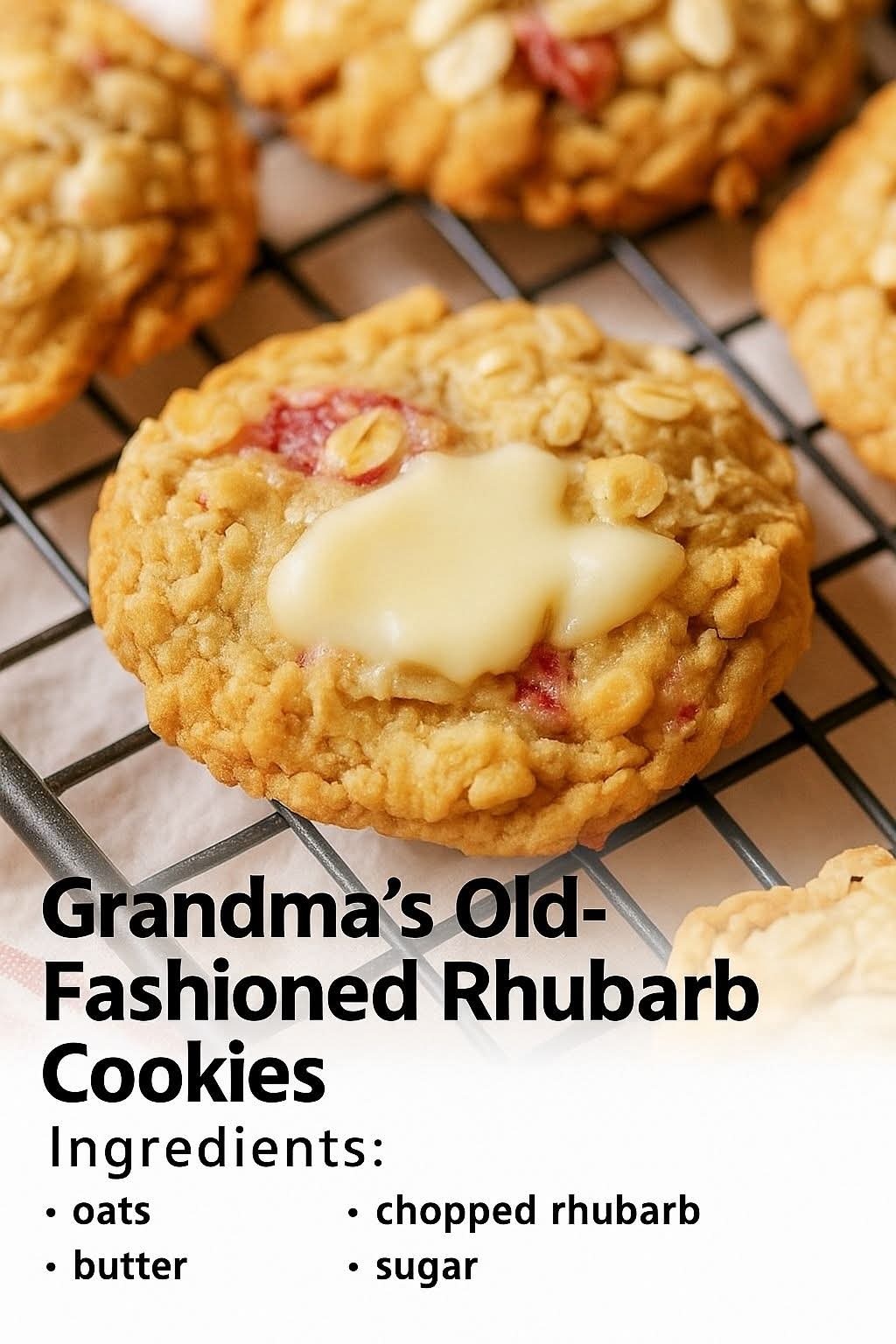
Rhubarb Cake Recipe: A Nod to the Past
Baking has a magical way of bringing people together, especially when the smell of fresh ingredients and memories from the past fill the air. For me, folding rhubarb into a cake batter always evokes memories of helping my mother in the kitchen, baking with whatever was fresh from our garden. Rhubarb, often regarded as a hardy and tart spring vegetable (though we treat it like a fruit in most recipes), has been a staple in family kitchens for centuries. This recipe combines that nostalgic feeling with a modern twist, creating a soft, sweet cake with a slightly tart rhubarb filling that will remind you of home, no matter where you are.
This rhubarb cake is light yet flavorful, offering a perfect balance of sweet and sour. It’s a great way to use up the fresh rhubarb you might have growing in your garden or to celebrate the season with something homemade and comforting.
Ingredients:
For the Cake Batter:
- 2 ½ cups all-purpose flour
- 2 teaspoons baking powder
- 1 teaspoon baking soda
- ½ teaspoon salt
- 1 ½ cups granulated sugar
- 1 teaspoon vanilla extract
- 1 large egg, at room temperature
- ¾ cup unsalted butter, softened
- 1 cup sour cream or plain yogurt
- 1 tablespoon lemon zest (optional for added brightness)
For the Rhubarb Filling:
- 3 cups rhubarb, chopped into 1-inch pieces
- ¾ cup granulated sugar
- 2 tablespoons cornstarch
- 1 teaspoon lemon juice
For the Topping:
- 1 tablespoon sugar (optional, for sprinkling)
- Powdered sugar (optional, for dusting)
Instructions:
1. Prepare the Rhubarb Filling:
- In a medium saucepan, combine the chopped rhubarb, sugar, cornstarch, and lemon juice.
- Cook over medium heat, stirring constantly, until the mixture thickens and becomes a jam-like consistency (about 8–10 minutes).
- Remove from heat and let it cool while you prepare the cake batter.
2. Preheat the Oven:
- Preheat your oven to 350°F (175°C). Grease and flour a 9-inch round cake pan or a 9×9-inch square baking pan. You can also line it with parchment paper for easier removal.
3. Make the Cake Batter:
- In a large mixing bowl, whisk together the flour, baking powder, baking soda, and salt. Set aside.
- In another bowl, beat the softened butter and sugar until light and fluffy, about 3 minutes.
- Add the egg and vanilla extract and beat until smooth.
- Gradually add the flour mixture, alternating with the sour cream (or yogurt), starting and ending with the flour. Mix until just combined.
- If you’re using lemon zest, fold it into the batter now.
4. Assemble the Cake:
- Pour half of the cake batter into the prepared pan, spreading it out evenly.
- Carefully spoon the rhubarb filling over the batter, spreading it out into an even layer.
- Drop spoonfuls of the remaining batter on top of the rhubarb. Use a spatula to gently spread it out as best as you can without disturbing the rhubarb too much.
5. Bake the Cake:
- Place the cake in the preheated oven and bake for 45–55 minutes, or until a toothpick inserted into the center of the cake (avoiding the rhubarb filling) comes out clean.
- If the top starts to brown too quickly, cover it loosely with aluminum foil to prevent over-browning.
6. Let it Cool:
- Once done, remove the cake from the oven and allow it to cool in the pan for 10 minutes before transferring it to a wire rack to cool completely.
- Optional: Before serving, sprinkle a little sugar on top for a slight crunch and a touch of sweetness.
History of Rhubarb in Baking:
Rhubarb has a fascinating history that dates back to ancient times. Initially used for medicinal purposes in China, the plant made its way into European kitchens in the 14th century. Its sour flavor was often balanced with sugar or honey to create jams, pies, and other desserts. The first recorded use of rhubarb in baking appeared in English cookbooks in the 17th century.
Rhubarb’s ability to grow in early spring made it especially appealing to farmers and home gardeners in northern climates. By the 1800s, it was a staple in many family kitchens, especially in the Midwest of the United States, where it thrived in cooler temperatures. Rhubarb pies, often made with strawberries or sugar, became a traditional dessert in the American home.
Formation of the Cake:
This cake is built on the concept of a simple, moist cake batter with a slightly tart fruit filling. It’s a celebration of the seasons, where the brightness of spring’s rhubarb is complemented by a soft, rich cake. The layered texture, with the filling nestled between the batter, allows the rhubarb’s flavor to seep into the cake, creating a balanced contrast that delights the taste buds.
While this cake might be a modern take on the traditional rhubarb pie, its roots are firmly planted in that same nostalgic connection to family and home cooking. The cake represents the many hours spent in the kitchen, mixing and tasting, sharing and enjoying with loved ones.
Conclusion:
This rhubarb cake is more than just a dessert; it’s a connection to our roots, a way to celebrate the bounty of the season, and a tribute to the people who passed down the traditions of baking. Every bite offers a perfect blend of sweet and sour, soft and slightly firm—just like the memories we cherish.
Serve this cake with a dollop of whipped cream or a scoop of vanilla ice cream for the ultimate treat. It’s the kind of dessert that makes you feel cozy and content, whether you’re enjoying it with family, friends, or even by yourself with a warm cup of tea.
For Lovers of Rhubarb:
If you’re a fan of rhubarb, you can experiment by adding a little more or less sugar, depending on how tart you like your desserts. You could even substitute the rhubarb filling with strawberries, blackberries, or apples to create different variations.
If you’re particularly fond of the cake’s texture, try using different types of yogurt, like Greek yogurt, to add extra richness. You can also play around with different spices—cinnamon or cardamom could bring a lovely warmth to the cake, especially in the cooler months.
Do you have any favorite ways to use rhubarb?