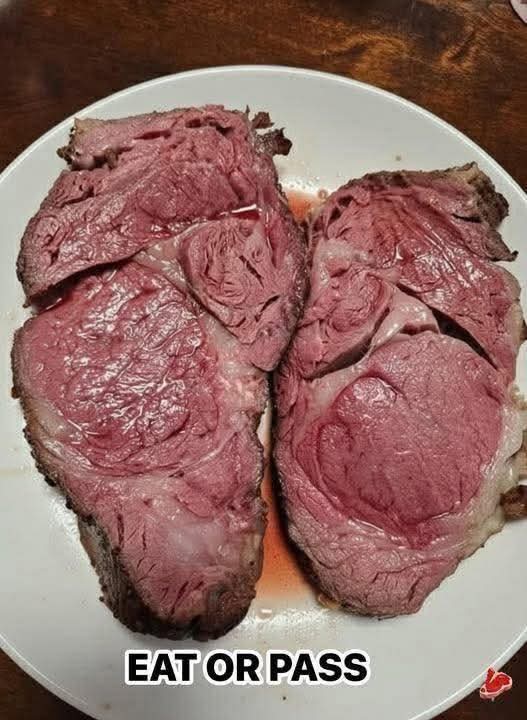
🥩 The Perfect Prime Rib Roast: A Crown Jewel of Culinary Tradition
📜 A Rich History
Prime rib, also known as standing rib roast, has been the centerpiece of celebratory feasts for centuries. Originating in medieval England where large roasted joints of beef were served in great halls, this dish evolved into a symbol of abundance and celebration. The term “prime” refers to the USDA grade of beef, though many butchers use it to describe the primal rib section. This cut was traditionally reserved for special occasions—Christmas dinners in Victorian England, Sunday suppers in American households, and milestone celebrations worldwide. Its enduring popularity lies in its majestic presentation, sublime flavor, and the communal experience of carving at the table.
🌟 Why Prime Rib Captivates Food Lovers
Prime rib enthusiasts—from home cooks to professional chefs—cherish this dish for multiple reasons:
· Theatre of Carving: The dramatic tableside presentation
· Customizable Doneness: From edge to center, varying degrees of doneness please all preferences
· Unmatched Flavor: The bone-in preparation creates deeply savory, aromatic results
· Celebratory Nature: It transforms meals into memorable events
· Textural Symphony: Perfect crust contrasts with tender, juicy interior
📋 Ingredients
Main Component
· 1 bone-in prime rib roast (5–6 lbs, 2–3 ribs)
Choose well-marbled meat with a creamy white fat cap
Herb Crust
· 3 tbsp olive oil (high-quality extra virgin)
· 1 tbsp kosher salt (coarse)
· 1 tbsp freshly cracked black pepper
· 1 tbsp garlic powder
· 1 tbsp fresh rosemary, finely chopped
· 1 tbsp fresh thyme, finely chopped
· 4 cloves garlic, minced
Optional Enhancements
· 2 tbsp Dijon mustard (for binder)
· 1 tbsp smoked paprika
· 1 teaspoon red pepper flakes
· Fresh horseradish sauce (for serving)
· Creamy horseradish or au jus (traditional accompaniments)
🛠️ Essential Equipment
· Heavy roasting pan with rack
· Meat thermometer (instant-read or probe)
· Butcher’s twine
· Sharp carving knife
· Aluminum foil
· Cutting board with groove
📝 Step-by-Step Instructions
🕒 24 Hours Before: Preparation Phase
1. Unchain the Beast: Remove roast from packaging, pat completely dry with paper towels
2. Salt Strategy: Generously apply kosher salt to all surfaces
3. Air-Dry Ritual: Place on rack over baking sheet, refrigerate uncovered (this dry-brines and creates better crust)
🕒 3 Hours Before Cooking: Temperature Equalization
1. Remove roast from refrigerator
2. Let sit at room temperature (ensures even cooking)
🕒 1 Hour Before: Flavor Application
1. Preheat Oven: Set to 450°F (232°C)
2. Create Paste: Combine olive oil, herbs, garlic powder, minced garlic, pepper
3. Massage: Rub mixture over entire surface, including between bones
4. Optional: Spread thin layer of Dijon mustard before herb paste for extra adhesion
🔥 Cooking Method: Two-Stage Perfection
Stage 1: Searing Blast (20 minutes)
1. Place roast bone-side down in roasting rack
2. Insert thermometer into center (avoiding fat or bone)
3. Roast at 450°F for 20 minutes to create crust
Stage 2: Gentle Roasting
1. Reduce temperature to 325°F (163°C)
2. Roast until desired doneness:
· Rare: 120°F internal (approx. 15-17 min/lb)
· Medium Rare: 130°F (approx. 17-20 min/lb)
· Medium: 140°F (approx. 20-22 min/lb)
3. Never rely solely on time—use thermometer!
⏳ The Critical Rest Period
1. Transfer roast to cutting board
2. Tent loosely with foil
3. Rest for 30-45 minutes (temperature will rise 5-10°F)
4. Do not skip rest! This allows juices to redistribute
✨ Final Presentation
1. Carving Technique:
· Slice along bones to remove entire rib section
· Turn roast onto flat side
· Slice against grain into desired thickness
2. Serve with accumulated juices
🍽️ Serving Suggestions for Prime Rib Lovers
Traditional Accompaniments
· Yorkshire Pudding (classic British pairing)
· Creamed Spinach or Horseradish Cream
· Roasted Garlic Mashed Potatoes
· Red Wine Jus or Au Jus
· Roasted Root Vegetables
Wine Pairings
· Bold Reds: Cabernet Sauvignon, Malbec, Syrah
· Elegant Options: Merlot, Pinot Noir (for lighter preferences)
· Special Occasion: Bordeaux or aged Barolo
📊 Nutrition Profile (per 4 oz serving)
· Calories: 320-380
· Protein: 25-30g (complete protein source)
· Fat: 24-28g (includes healthy saturated fats)
· Iron: 15% DV (highly bioavailable heme iron)
· Zinc: 40% DV (supports immune function)
· B Vitamins: Rich in B12, niacin, B6
· Selenium: Antioxidant properties
💪 Health Benefits (When Enjoyed Mindfully)
· High-Quality Protein: Supports muscle maintenance
· Iron-Rich: Combats anemia, supports oxygen transport
· Zinc Source: Essential for immune function
· B Vitamins: Energy metabolism and neurological health
· Conjugated Linoleic Acid (CLA): Potential anti-inflammatory properties in grass-fed beef
· Satiety Factor: High protein/fat content promotes fullness
🌡️ Temperature Guide for Perfection
· Rare: 120-125°F (bright red center)
· Medium Rare: 130-135°F (warm red center) chef’s preference
· Medium: 140-145°F (warm pink center)
· Medium Well: 150-155°F (slightly pink center)
· Well Done: 160°F+ (little to no pink)
🚨 Pro Tips from Prime Rib Devotees
1. Bone-in Always: Bones add flavor and act as natural roasting rack
2. Fat Cap Positioning: Place fat-side up so it bastes the meat
3. Thermometer Placement: Center of thickest part, not touching bone
4. Carve Thick: ½ to 1-inch slices maintain juiciness
5. Save Bones: Make incredible beef stock or enjoy as cook’s treat
🎯 Why This Method Works: The Science
· High-Then-Low Heat: Creates Maillard reaction (flavor crust) then gently cooks interior
· Dry-Brining: Salt penetrates meat, enhancing flavor and tenderness
· Resting Period: Allows proteins to reabsorb juices (up to 30% moisture retention)
· Bone-In Cooking: Bones conduct heat evenly and add mineral-rich flavor
🔄 Alternative Cooking Methods
Reverse Sear (Modern Favorite)
1. Cook at 225°F until 15°F below target
2. Rest 30 minutes
3. Blast at 500°F for crust
4. Benefits: More even doneness edge-to-edge
Sous Vide (Precision Method)
1. Bag with herbs, cook in water bath at target temperature
2. Sear in extremely hot oven or with torch
3. Benefits: Perfect edge-to-edge doneness
📅 Planning Timeline
· 2-3 days before: Purchase meat
· 24 hours before: Salt and refrigerate uncovered
· 3 hours before: Remove from refrigerator
· 1 hour before: Apply rub, preheat oven
· Active cooking: 2-3 hours (depending on size)
· Resting: 30-45 minutes
· Total time: Approximately 5 hours start to serve
❄️ Leftover Magic
Prime rib lovers know leftovers are treasures:
· Next-day cold slices with horseradish cream
· Prime rib sandwiches on crusty rolls
· Beef hash with potatoes and eggs
· Beef stroganoff or French dip sandwiches
· Beef barley soup using the bone
💎 Conclusion: More Than a Meal, An Experience
The perfect prime rib roast represents the pinnacle of home cooking achievement. It’s where science meets art, patience meets reward, and food becomes memory. While the recipe provides structure, the true magic lies in the care and attention you bring to the process. Each step—from selecting the roast to the ceremonial carving—creates connection: to culinary traditions, to gathered loved ones, and to the simple, profound joy of sharing exceptional food.
For those who love the craft of cooking, prime rib offers endless lessons in technique while delivering undeniable satisfaction. It teaches temperature management, seasoning balance, and the wisdom of patience. Most importantly, it reminds us that some things are worth the wait, worth the effort, and worth savoring completely.
Whether serving two or twenty, for holidays or “just because,” this majestic cut continues to earn its place as the king of roasts. May your prime rib be perfectly cooked, your gatherings joyful, and your tables always filled with those who appreciate the love that goes into creating something truly special. 🥂
—
“The preparation of good food is merely another expression of art, one of the joys of civilized living.” – Dione Lucas
Share your prime rib stories and photos with fellow enthusiasts using #PrimeRibPerfection