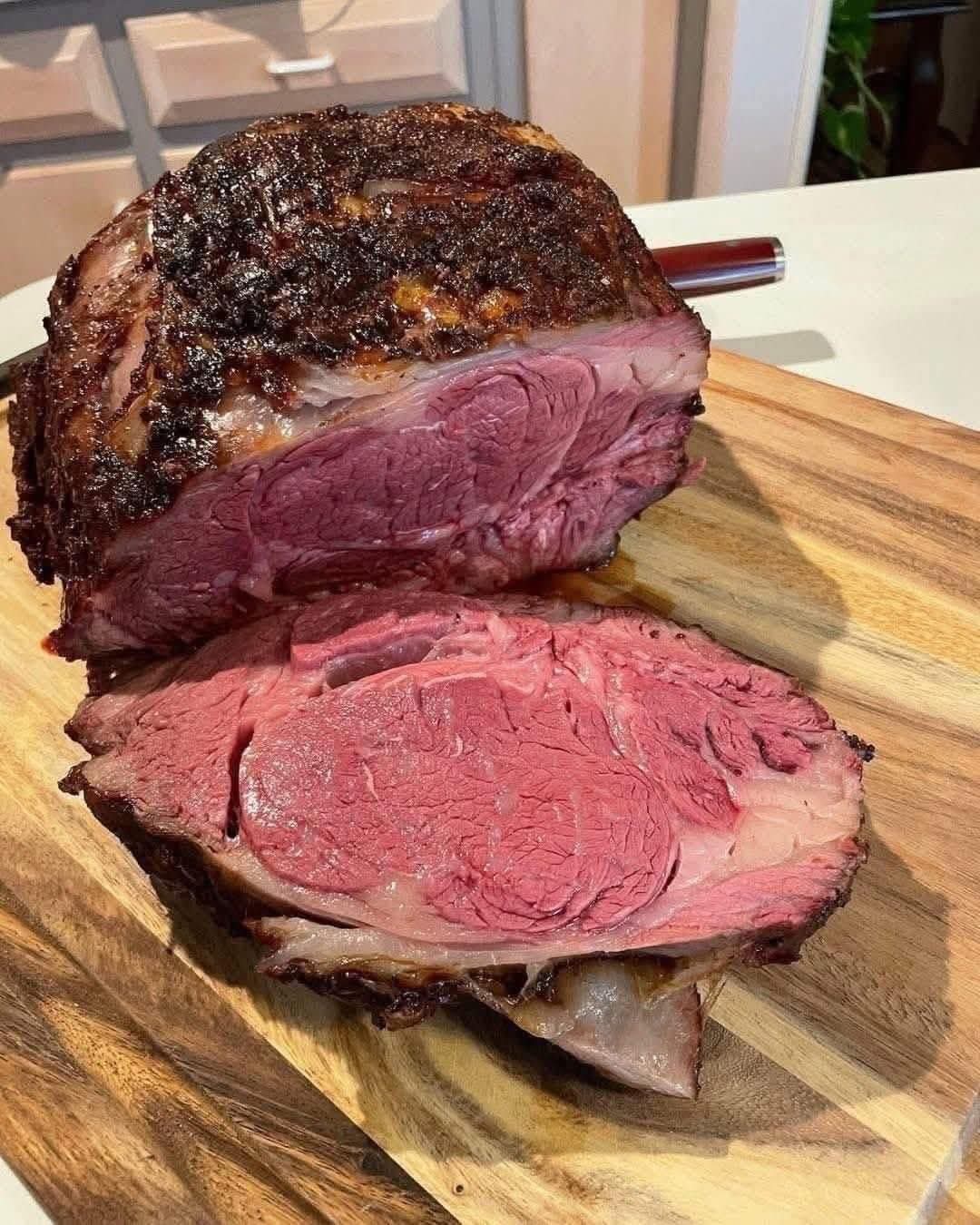
Perfect Prime Rib Roast Recipe: A Culinary Masterpiece
Introduction
There’s something undeniably special about a prime rib roast. Its deep flavors, tender texture, and exquisite presentation make it the centerpiece of any celebration, whether it’s a festive holiday dinner or a Sunday feast with family. When done right, it’s not just a meal; it’s an experience. The perfect prime rib is tender, juicy, and packed with flavors that melt in your mouth with every bite. This recipe will guide you through the steps to achieve that perfect prime rib roast, ensuring it becomes a classic in your culinary repertoire.
History of Prime Rib Roast
Prime rib, often called the “king of roasts,” has been a staple of festive dining for centuries. The prime rib is a cut from the primal rib section of the beef, and its history dates back to the 18th century when British royal families and aristocrats would feature this regal dish during lavish feasts. It is traditionally associated with luxury and grand celebrations, often appearing on the table for holidays like Christmas and New Year’s Eve. Over the years, its reputation has only grown, and it remains a favorite in both fine dining restaurants and home kitchens around the world.
Ingredients
- 1 bone-in prime rib roast (6–8 pounds)
- 2 tablespoons olive oil
- Salt (to taste)
- Freshly cracked black pepper (to taste)
Optional Add-ins for Enhanced Flavor:
- Fresh garlic (4-6 cloves, minced)
- Fresh rosemary (2-3 sprigs)
- Fresh thyme (2-3 sprigs)
- Butter (for basting)
- Beef broth (for a richer gravy)
Instructions & Methods
1. Preparing the Prime Rib
- Let the Prime Rib Rest: Before you do anything, remove the prime rib from the refrigerator and let it come to room temperature. This will take about 1 to 2 hours and is essential for even cooking.
- Preheat the Oven: Preheat your oven to 450°F (232°C). The high initial temperature will help create a crust on the outside of the roast, locking in juices and flavor.
- Seasoning: Rub the entire surface of the prime rib with olive oil, then generously season with salt and pepper. You can also rub in minced garlic, rosemary, and thyme for extra flavor.
- Tying the Roast (optional): If your prime rib is not already tied, it may be helpful to tie it with kitchen twine. This helps keep the roast together while cooking, ensuring even heat distribution and a more uniform cook.
2. Cooking the Prime Rib
- Roast at High Temperature: Place the seasoned roast on a rack in a roasting pan, bone side down. Roast at 450°F (232°C) for about 15-20 minutes to create a beautiful crust.
- Lower the Heat: After the initial high-heat roasting, reduce the oven temperature to 325°F (163°C). Continue roasting for about 15-20 minutes per pound. For a 6-8 pound roast, this will take around 1.5 to 2 hours, depending on your desired level of doneness.
- Internal Temperature: Use a meat thermometer to check the internal temperature of the roast. For the perfect prime rib, the following temperatures are recommended:
- Rare: 120°F–125°F (49°C–52°C)
- Medium-rare: 130°F–135°F (54°C–57°C)
- Medium: 140°F–145°F (60°C–63°C)
- Well-done: 160°F+ (71°C+)
Keep in mind that the roast will continue to cook slightly after it’s removed from the oven, so it’s important to pull it out 5°F before it reaches your target temperature.
3. Resting the Roast
Once the roast reaches your desired temperature, remove it from the oven and tent it loosely with aluminum foil. Let it rest for at least 20-30 minutes before carving. Resting allows the juices to redistribute throughout the meat, ensuring a juicy, tender cut.
4. Carving the Prime Rib
- Cut between the bones to separate individual ribs if you’re serving them as steaks. Alternatively, carve the roast against the grain for thin slices.
- Serve immediately with your favorite side dishes like mashed potatoes, roasted vegetables, or a simple au jus sauce.
Methods for Enhancing Flavor
- Herb Butter Basting: After the roast has been cooking for an hour, baste it with a mixture of melted butter, minced garlic, and fresh herbs. This will add an additional layer of flavor and a golden sheen to the roast.
- Au Jus: For an even richer experience, create an au jus sauce using beef broth and the drippings from the roast. Simply deglaze the pan with a bit of broth, scraping up all the flavorful bits, then simmer and strain before serving.
- Garlic and Herb Infusion: Before roasting, create small slits in the roast and stuff them with minced garlic and fresh rosemary. This will infuse the meat with aromatic flavors throughout the cooking process.
Conclusion
The perfect prime rib roast is the epitome of comfort food—succulent, tender, and packed with rich flavors. By following these steps, you’ll ensure that every bite is a satisfying explosion of taste. Whether it’s for a holiday gathering or a special Sunday dinner, this recipe will make any meal feel like an occasion.
A Note for the Lovers of Prime Rib
Prime rib isn’t just about the meat—it’s about the experience. It’s a dish that brings people together, often shared with loved ones over long, joyous meals. The rich, savory flavors seem to deepen with every bite, much like the conversations and connections around the table. It’s a celebration on a plate.
So, gather your loved ones, fire up the oven, and let the magic of prime rib turn an ordinary dinner into a lifelong memory. As you carve the roast and serve it, remember: it’s not just the prime rib that makes the evening unforgettable, but the shared moments that go along with it.
Final Tips
- Resting is Key: Don’t rush the resting time. A properly rested roast is always juicier and more flavorful.
- Adjust for Doneness: The times in the recipe are approximate. Use your meat thermometer to achieve the exact doneness you desire.
- Pairing Suggestions: Serve your prime rib with a bold red wine like Cabernet Sauvignon or a rich Bordeaux. The tannins in these wines help cut through the richness of the beef, enhancing the flavor experience.
With these tips, you’ll be ready to serve up the perfect prime rib every time.