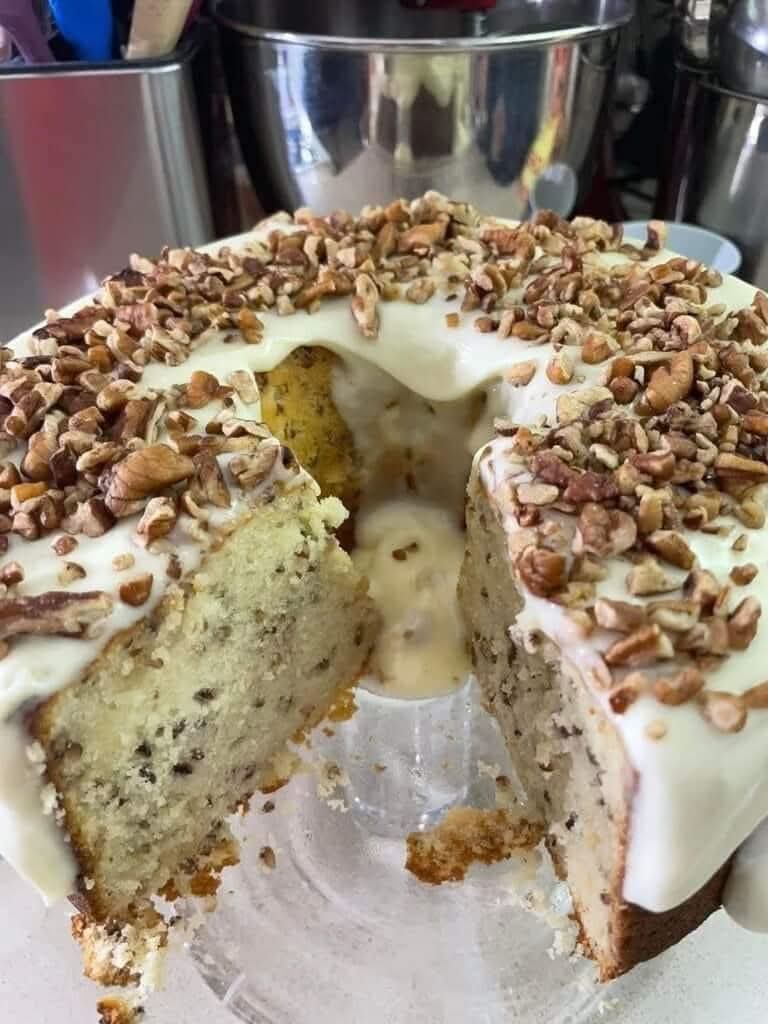
Sure! I love the energy in that comment! Here’s an extensive, heartwarming recipe for a perfect white cake—one that’s sure to become the highlight of every occasion. Along with the details, I’ve included an introduction, history, formation, methods, and of course, the story of cake lovers!
The Ultimate White Cake Recipe
Introduction
Ah, the classic white cake! Light, fluffy, moist, and perfectly tender—this cake has a timeless appeal that has made it a beloved staple for celebrations of all kinds. Whether it’s a birthday, wedding, or an elegant tea party, a white cake often steals the show. It pairs beautifully with almost any frosting, but the true star is the cake itself.
If you’ve ever searched for the perfect white cake, one with the ideal crumb, moisture, and flavor, your search might just end here. This cake is made from scratch with simple ingredients, but the result is anything but ordinary. Get ready to fall in love with the soft, airy texture and delightful taste of this showstopper.
Ingredients
For the Cake:
- 2 1/2 cups all-purpose flour (spooned & leveled)
- 1 1/2 cups granulated sugar
- 1 tablespoon baking powder
- 1/2 teaspoon salt
- 1 cup unsalted butter, softened
- 1 cup whole milk, at room temperature
- 4 large egg whites, at room temperature
- 2 teaspoons vanilla extract
- 1/2 teaspoon almond extract (optional, but adds a lovely depth)
For the Buttercream Frosting:
- 1 cup unsalted butter, softened
- 4 cups powdered sugar, sifted
- 2-4 tablespoons heavy cream or milk (adjust to consistency)
- 1 tablespoon vanilla extract
- Pinch of salt (to cut sweetness)
Instructions
Step 1: Prep and Preheat
- Preheat your oven to 350°F (175°C). Grease and flour two 9-inch round cake pans or line the bottoms with parchment paper. You can also use cake strips to ensure even baking and prevent the cake from doming too much.
Step 2: Mix the Dry Ingredients
- In a medium bowl, whisk together the flour, sugar, baking powder, and salt. Set it aside for later.
Step 3: Cream the Butter
- In a large bowl, cream the butter with a hand mixer or stand mixer on medium speed until it’s light and fluffy (about 3-5 minutes). This step is key to getting that tender crumb!
Step 4: Add Eggs & Extracts
- Beat in the egg whites one at a time, making sure each is fully incorporated before adding the next. Then add in the vanilla extract (and almond extract if using).
Step 5: Add Dry Ingredients & Milk
- With the mixer on low speed, alternate adding the dry ingredients and the milk to the butter mixture. Start with the dry ingredients and end with the milk. Mix until just combined—do not over-mix! You want a smooth batter, not a tough one.
Step 6: Bake the Cake
- Divide the batter evenly between the two prepared cake pans. Smooth the tops with a spatula and bake for 25-30 minutes, or until a toothpick inserted into the center comes out clean.
- Let the cakes cool in the pans for about 10 minutes before transferring them to wire racks to cool completely.
Step 7: Make the Frosting
- Beat the softened butter with a mixer until it’s creamy and smooth. Gradually add powdered sugar, 1 cup at a time, while mixing on low. After each addition, scrape down the sides of the bowl.
- Add vanilla extract, salt, and enough heavy cream to reach your desired consistency. Continue mixing until the frosting is smooth and fluffy.
Step 8: Frost and Decorate
- Once the cakes are completely cooled, place one cake layer on a serving platter. Spread a layer of frosting on top. Place the second cake layer on top and frost the entire cake.
- If you’re feeling fancy, use a spatula or piping bag to add decorative touches. You can also sprinkle with edible glitter, fresh fruit, or candy if you like.
Method Notes
- Egg Whites: Make sure your egg whites are at room temperature—this helps create a fluffier texture.
- Butter: Ensure your butter is softened to room temperature so it creams properly with the sugar.
- Sifting Flour: For a smoother texture, sift your flour before measuring. This removes any lumps and aerates it for a lighter cake.
- Alternating Ingredients: Always alternate wet and dry ingredients (beginning and ending with dry). This prevents overworking the batter and helps retain air bubbles for fluffiness.
History of White Cake
The white cake, as we know it today, gained popularity in the late 19th and early 20th centuries, especially in the United States. Its rise was closely tied to advances in baking techniques, the availability of refined sugar, and the growing trend of celebratory cakes. White cake was often used for weddings and important occasions due to its delicate texture and pure, pale color. The absence of yolks, which typically provide yellow pigmentation, made this cake stand out as a symbol of elegance and sophistication.
The history of white cake is intertwined with that of American cake-making culture, and it continues to be a favorite in both home kitchens and bakeries around the world.
Formation of a True Cake Lover
What is it about cake that draws so many of us to it, time and time again? Is it the nostalgic scent of a cake fresh out of the oven? The joy of sharing a slice with loved ones? The simplicity of butter, sugar, and flour coming together to create something greater than the sum of its parts? Perhaps it’s all of the above.
Cake lovers know that the act of baking is an emotional experience. It’s not just about mixing ingredients and following a recipe—it’s about pouring love, care, and creativity into something that will bring happiness to those who enjoy it.
Conclusion
This white cake is more than just a recipe—it’s an invitation to celebrate life’s little moments, big milestones, and everything in between. Its light, fluffy texture and sweet, vanilla flavor are sure to make any occasion special. And once you’ve tried it, you’ll find yourself baking it for every occasion. After all, who wouldn’t want to share a piece of pure, soft, cake-y joy with the people they care about?
For the Lovers of White Cake
To all the cake enthusiasts, professional bakers, and weekend warriors—this is for you. From the first whisk of the batter to the last slice on the plate, a love for cake is something that connects us all. So go ahead, bake with abandon, and remember to enjoy the journey. Because at the end of the day, cake isn’t just food—it’s a celebration, a memory, and a labor of love.
Enjoy your baking journey! Let me know if you end up trying it or making any tweaks.