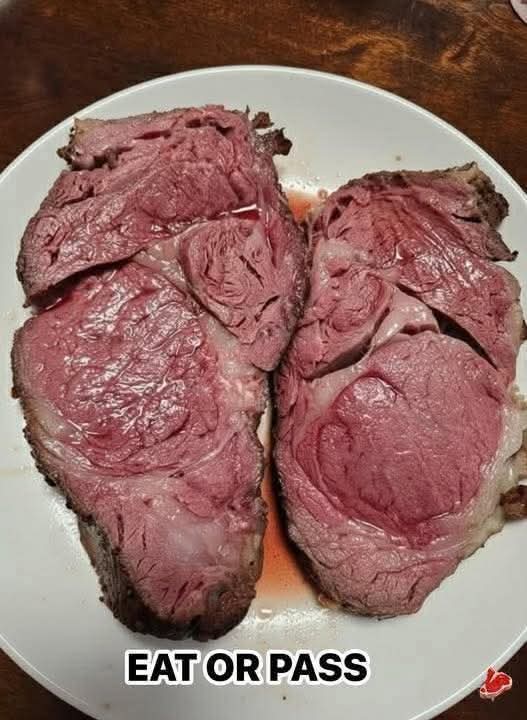
Of course! Here is a comprehensive, detailed recipe for the Perfect Prime Rib Roast, formatted as a complete culinary guide.
—
The Perfect Prime Rib Roast: A Crown Jewel of Celebration
The prime rib roast is the undisputed king of the holiday table, a centerpiece that commands attention and promises unparalleled indulgence. This majestic cut, known for its rich marbling and melt-in-your-mouth texture, is a testament to simple, quality ingredients treated with respect. Mastering the prime rib is a rite of passage for any home cook. This guide will not only walk you through the foolproof method for a perfectly pink, juicy interior and a flavorful, herb-crusted exterior but will also delve into its history, benefits, and the joy it brings to those who gather around it.
—
Detailed Ingredients
· The Centerpiece:
· 1 bone-in prime rib roast (standing rib roast), 3-4 ribs, about 5–6 lbs (feeds 4-6 people generously). Ask your butcher for the “first cut” or “loin end” for more even slices.
· The Flavor Foundation (Herb Crust):
· 3 tablespoons high-quality olive oil
· 1 tablespoon kosher salt (Diamond Crystal preferred)
· 1 tablespoon freshly cracked black pepper
· 1 tablespoon garlic powder
· 4 cloves fresh garlic, finely minced
· 1 tablespoon fresh rosemary, finely chopped
· 1 tablespoon fresh thyme leaves, finely chopped
· Optional for Pan Jus (Gravy):
· 1 cup red wine (Cabernet Sauvignon or Merlot)
· 2 cups beef broth
· 2 tablespoons all-purpose flour
· 2 tablespoons cold butter
—
Historical Roots & Cultural Significance
The tradition of roasting large joints of meat over fire dates back centuries, symbolizing prosperity and community. The specific term “prime rib” comes from the USDA “prime” grade, denoting the highest level of marbling. Historically, it was a dish for feasts and celebrations among the wealthy. Today, while still a luxury, it represents a special occasion centerpiece in many cultures, particularly for Christmas, New Year’s, and milestone celebrations in North America. Its preparation—slow roasting to preserve tenderness—is a technique refined over generations.
—
Culinary & Nutritional Benefits
· Rich in Protein & Nutrients: An excellent source of high-quality, complete protein, essential for muscle maintenance. It’s also rich in iron (highly bioavailable heme iron), zinc, selenium, and B vitamins (especially B12).
· Flavor from Marbling: The intramuscular fat (marbling) bastes the meat from within during cooking, creating unparalleled juiciness and flavor that leaner cuts can’t match.
· Note: Prime rib is a celebratory food. While nutritious, it is high in saturated fat and should be enjoyed in moderation as part of a balanced diet.
—
Equipment & Formation
· Equipment: A large roasting pan with a rack, a reliable meat thermometer (instant-read or probe-style is crucial), chef’s knife, butcher’s twine (if ribs aren’t french-cut), and a carving board.
· Formation & Butchery: A “bone-in” roast provides insulation and incredible flavor. The ribs can be left attached or “frenched” (meat scraped clean from the rib ends for presentation). The roast should be trimmed of excessive hard fat (leave a ¼-inch cap). Have your butcher cut the ribs from the roast and tie them back on. This makes carving exponentially easier after cooking.
—
Step-by-Step Cooking Method & Instructions
Phase 1: Preparation & Seasoning (The Key to Flavor)
1. Temperature is Critical: Remove the roast from the refrigerator at least 2-3 hours before cooking. Allowing it to come to room temperature ensures even cooking from edge to center.
2. Prep the Roast: Pat the roast completely dry with paper towels. Moisture is the enemy of browning.
3. Create the Paste: In a small bowl, combine the olive oil, minced garlic, chopped rosemary, thyme, garlic powder, black pepper, and kosher salt to form a fragrant paste.
4. Season Aggressively: Massage the herb paste over the entire surface of the roast—top, bottom, and sides. Ensure it’s thoroughly coated. Let it sit, uncovered, during its come-to-room-temperature phase.
Phase 2: The Cooking Method (Reverse Sear for Perfection)
1. Preheat Oven: Preheat your oven to a high 450°F (230°C).
2. Initial Blast: Place the roast, fat-side up, on a rack in the roasting pan. Insert a probe thermometer into the very center of the meat, avoiding fat or bone. Roast for 20 minutes. This initial high heat creates a beautiful, savory crust.
3. Low & Slow: Without opening the oven door, reduce the heat to 250°F (120°C). Continue roasting until the internal temperature reaches your desired doneness. This gentle heat cooks the meat evenly without overcooking the outer layers.
· Temperature Guide (for final in-oven temp):
· Rare: 115-118°F (46-48°C) Will carry over to 125°F
· Medium Rare: 120-125°F (49-52°C) Will carry over to 130-135°F
· Medium: 130-135°F (54-57°C) Will carry over to 140-145°F
4. The Rest (Non-Negotiable): Once the target temperature is hit, carefully remove the roast from the oven. Transfer it to a cutting board, tent loosely with foil, and let it rest for at least 30 minutes, preferably 45. The internal temperature will rise 5-10 degrees (carry-over cooking), and the juices will redistribute throughout the meat.
Phase 3: Finishing & Serving
1. Make the Jus: While the roast rests, place the roasting pan on the stove over medium heat. Add the red wine to deglaze, scraping up all the browned bits (fond). Let it reduce by half. Whisk in flour and cook for 1 minute. Slowly whisk in beef broth, bring to a simmer, and cook until slightly thickened. Finish by swirling in cold butter for shine and richness. Strain.
2. Carve with Care: Cut the strings binding the ribs. Slice along the bone to separate the entire rib section. Turn the roast onto its flat, sliced side and carve thick, beautiful slices perpendicular to the bone.
3. Serve: Plate slices immediately, spoon over a bit of the warm pan jus, and serve with classic sides like horseradish sauce, Yorkshire puddings, creamy mashed potatoes, and roasted seasonal vegetables.
—
Nutritional Information (Approximate, per 4oz serving of cooked lean meat + fat)
· Calories: ~310 kcal
· Protein: ~25g
· Total Fat: ~23g
· Saturated Fat: ~9g
· Iron: ~15% DV
· Zinc: ~40% DV
· Vitamin B12: ~90% DV
—
Conclusion: A Dish for Lovers and Gatherings
The perfect prime rib roast is more than a meal; it is an experience. It appeals to lovers of tradition, who appreciate its historic place at the table. It captivates lovers of culinary craft, who understand the science of the reverse sear and the magic of the rest. And above all, it is the ultimate dish for lovers of gathering—for those who find the deepest joy in sharing extraordinary food with family and friends.
The method outlined here—patient seasoning, controlled cooking, and a generous rest—guarantees a majestic result. The benefits go beyond nutrition to encompass the warmth of shared celebration. When you present this glorious roast, carved and steaming, you are offering a taste of luxury, a piece of history, and most importantly, a centerpiece for memories in the making.
Enjoy your feast, and savor the compliments.