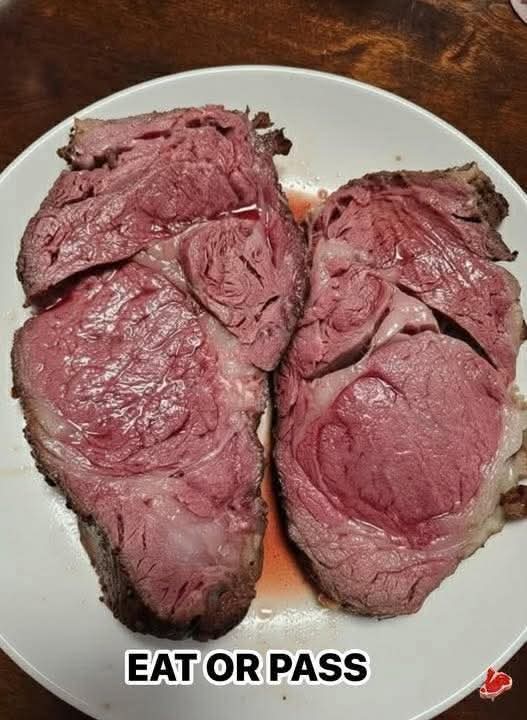
Sure! Here’s a fully expanded recipe for a Perfect Prime Rib Roast, complete with an introduction, ingredients, instructions, method, history, and even a conclusion to make it feel like an unforgettable culinary experience.
Perfect Prime Rib Roast: A Culinary Classic
Introduction:
The Prime Rib Roast, often referred to as a standing rib roast, is a true showstopper on any dinner table. Known for its rich, succulent flavor and tender texture, this roast is often associated with special occasions like holidays, family gatherings, or celebratory meals. When cooked to perfection, the prime rib forms a delicious crust on the outside while staying juicy and tender inside, making it a dish that will undoubtedly impress your guests. If you’re looking to elevate your cooking and make your next meal unforgettable, this prime rib roast recipe will surely become a favorite!
Ingredients:
- 1 bone-in prime rib roast (about 5–6 lbs)
- 3 tbsp olive oil
- 1 tbsp kosher salt
- 1 tbsp black pepper
- 1 tbsp garlic powder
- 1 tbsp fresh rosemary, finely chopped
- 1 tbsp thyme, finely chopped
- 4 cloves garlic, minced
Instructions:
- Preheat Your Oven: Preheat your oven to 450°F (230°C). This initial high temperature will help create a flavorful crust on the roast.
- Prepare the Prime Rib: Take your prime rib roast out of the fridge about 30 minutes before cooking to allow it to come to room temperature. This ensures even cooking throughout the roast.
- Season the Meat: In a small bowl, combine the olive oil, kosher salt, black pepper, garlic powder, fresh rosemary, thyme, and minced garlic. Mix these ingredients together to form a fragrant, herby paste.
- Coat the Roast: Rub the seasoning mixture generously all over the prime rib, making sure to coat all sides of the meat. Don’t forget to get into the crevices of the roast to ensure the flavor is distributed evenly.
- Roast the Prime Rib: Place the prime rib on a rack in a roasting pan, bone-side down. Roast in the preheated oven for 20 minutes at 450°F (230°C). This high heat sears the meat, locking in the juices and creating a beautiful crust.
- Lower the Temperature: After the initial 20 minutes, reduce the oven temperature to 350°F (175°C). Continue roasting for about 15 minutes per pound for a medium-rare roast. For a 5-6 lb roast, this should take about 1 hour 15 minutes.
- Check the Internal Temperature: To ensure your roast reaches the perfect doneness, use a meat thermometer. For medium-rare, aim for an internal temperature of 125°F (52°C). If you prefer a different level of doneness, here are the approximate temperatures:
- Medium: 135°F (57°C)
- Medium-well: 145°F (63°C)
- Rest the Roast: Once your roast reaches the desired temperature, remove it from the oven and let it rest, covered with aluminum foil, for 15-20 minutes. This allows the juices to redistribute, ensuring a moist and flavorful roast.
- Carve and Serve: Slice the prime rib against the grain into thick slices. Serve it with your favorite sides such as mashed potatoes, roasted vegetables, or a rich gravy.
Methods:
- High-Temperature Roasting: The key to achieving that perfect crispy, caramelized exterior is starting the roast in a very hot oven, allowing the meat to sear and form a crust. The lower oven temperature after that ensures the inside cooks gently, maintaining tenderness.
- Seasoning Blend: The combination of garlic, fresh herbs like rosemary and thyme, and the savory salt and pepper creates a beautiful aromatic crust on the prime rib. The olive oil helps to carry the flavors and keep the meat moist while it cooks.
- Resting the Meat: Resting the roast after cooking is essential. It allows the meat fibers to relax and the juices to redistribute, keeping the meat tender and flavorful. Cutting it too soon will result in the juices running out, leaving you with a dry roast.
History:
Prime rib has long been regarded as one of the most luxurious cuts of beef, originating in Europe and becoming a beloved dish in England and the United States during the 19th century. The name “prime” refers to the cut of beef itself — specifically from the rib section, which is known for its tenderness and flavor. Prime rib became particularly popular in the U.S. during the mid-1900s, often served for festive gatherings, holiday dinners, and special occasions.
Interestingly, the tradition of roasting a prime rib at high heat to form a crust has been passed down through generations. This method not only creates a savory exterior but also helps seal in the meat’s natural juices, allowing for a truly decadent meal.
Formation of the Dish:
The prime rib roast is an exquisite display of culinary technique, relying on simple yet powerful ingredients. The cut itself, a rib roast, is typically aged to enhance its tenderness and flavor. The seasoning of herbs and spices like rosemary, thyme, garlic, salt, and pepper gives it a robust flavor profile that complements the richness of the beef. The combination of roasting at high heat and then reducing the temperature ensures the roast is cooked to perfection with a crispy crust and juicy interior.
Conclusion:
This Perfect Prime Rib Roast recipe is a celebration of classic flavors and cooking techniques. It highlights the natural goodness of one of the finest cuts of beef, enhanced by a fragrant blend of seasonings that give the roast a robust and aromatic flavor. Whether you’re cooking for a holiday feast, a family dinner, or a special occasion, this prime rib roast will impress your guests with its tenderness, rich taste, and stunning presentation. Enjoy with your favorite sides, and savor each flavorful bite!
Lovers of Prime Rib Roast:
For those who truly appreciate the finer things in life, the prime rib roast is the epitome of indulgence. It’s a dish that appeals to meat lovers, culinary enthusiasts, and anyone who enjoys a hearty, satisfying meal. The combination of its tender, juicy meat with the crispy, herb-infused crust is unmatched, making it a go-to for those seeking a memorable dining experience.
Feel free to make it your own by adjusting the seasonings or adding your favorite side dishes! Whether you like your prime rib rare or medium-well, this recipe is sure to become a family favorite for years to come.
How does this sound? Would you like any additional tweaks or more details?